
Last updated November 23, 2026
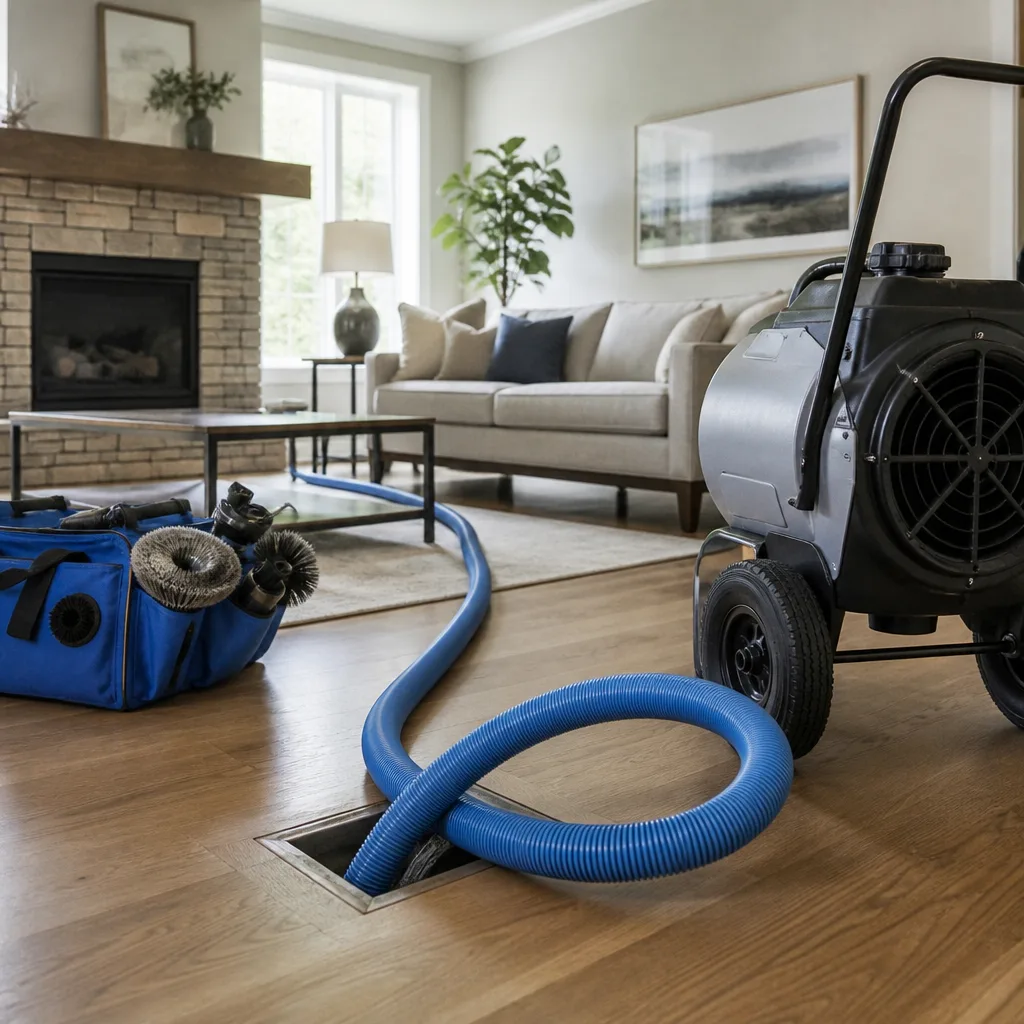 Whole-home duct cleaning
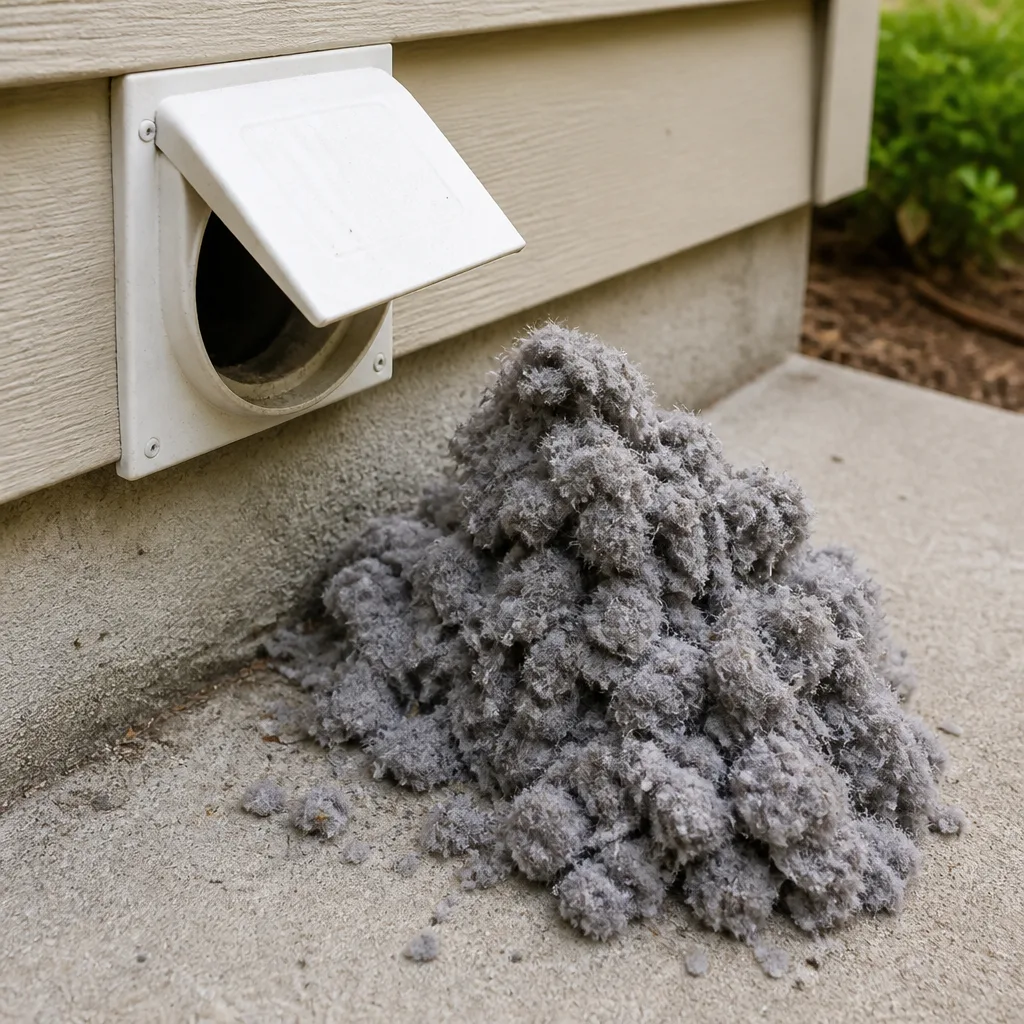 Dryer vent cleaning
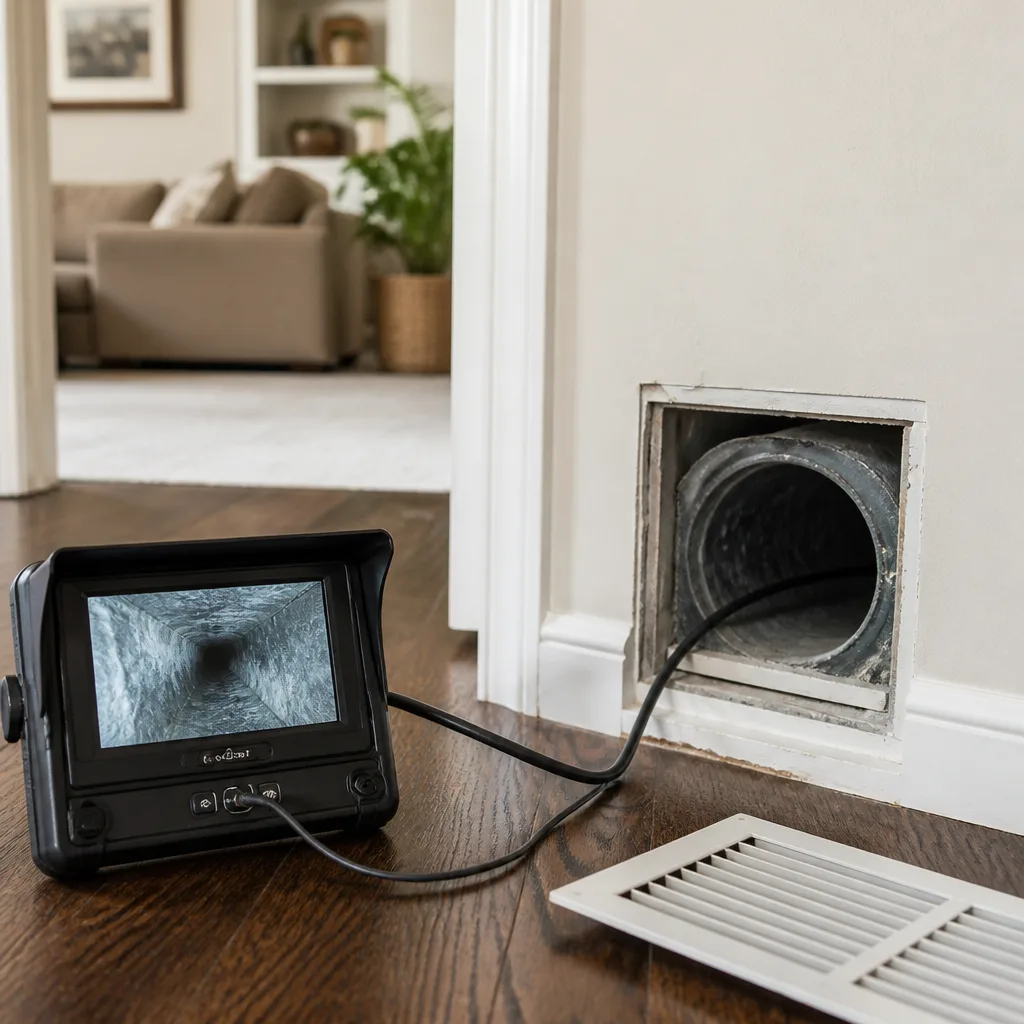 Camera inspection
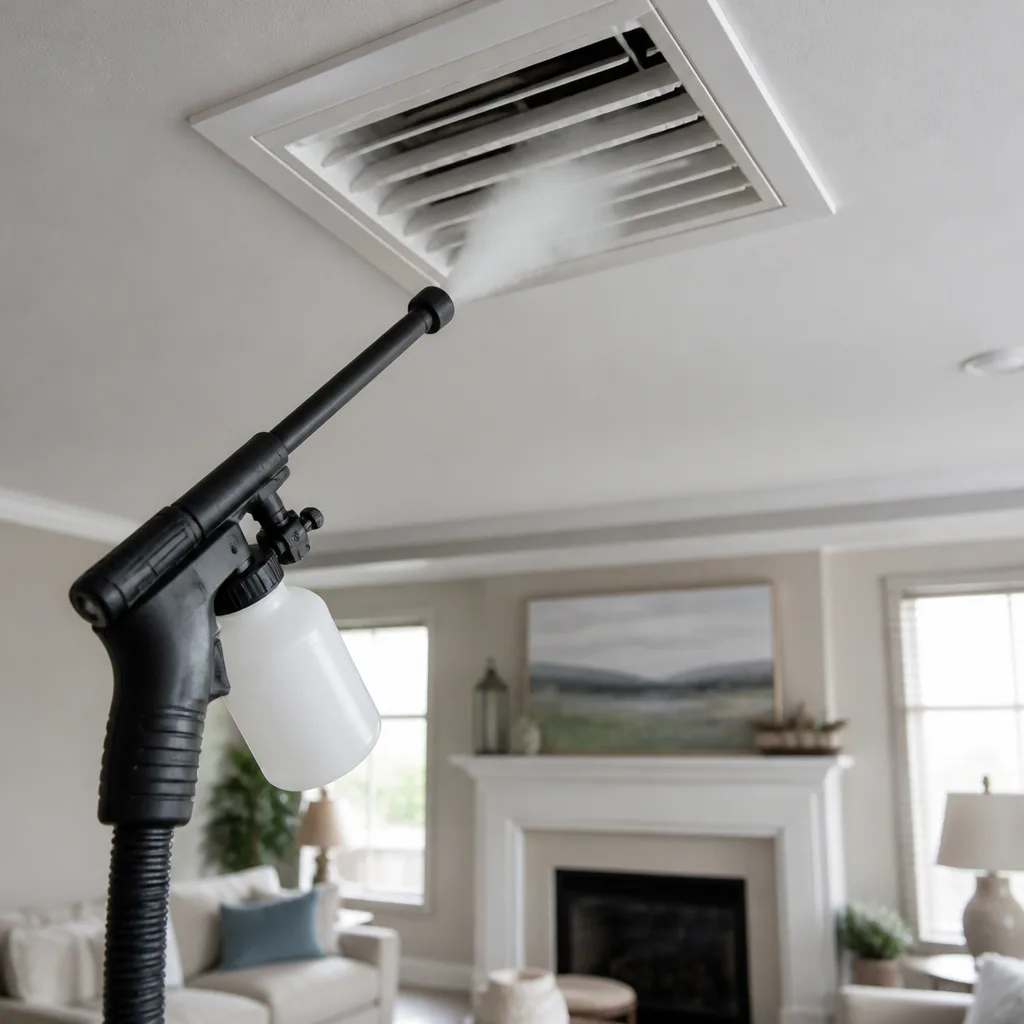 Sanitizing & deodorizing
Whole-system duct and dryer vent check with before-and-after photos - you see exactly what came out of your vents
That "$99 whole-house special" is a bait ad - the real number appears once they are in your hallway, or the "clean" is a shop-vac at the register. We photograph the inside of your ducts before and after instead.
Air Duct Cleaning Troubleshooting in Tacoma: Common Problems and How to Fix Them
Calling a duct cleaner when you actually have a disconnected duct is like mopping a floor under a leaking pipe. It looks like progress, and it fixes nothing. Most of the air quality complaints we hear about in Tacoma trace back to one of four root causes, and they get misdiagnosed all the time: debris buildup, duct leakage, mold growth, or contamination that starts on the HVAC equipment side and never leaves it. This guide teaches you to read the signs correctly before anyone shows up at your door, so you know whether you’re looking at a cleaning job, a repair job, or a full system inspection. We’ll cover the symptoms, the Tacoma-specific climate factor that changes the diagnosis, and the visual checks you can run in twenty minutes.
Quick Answer
Most air duct problems in Tacoma come down to one of four root causes: accumulated debris, duct leakage, mold growth, or equipment-side contamination. Debris buildup means cleaning will solve it. Leakage and mold usually mean cleaning alone won’t hold, and you need duct repair and sealing to make the fix stick. Equipment-side contamination means the ducts were never the real problem. Diagnosing which one you have before you book a visit saves both money and a second appointment.
Styles & brands we work with
- Whole-home duct cleaning
- Dryer vent cleaning
- Camera inspection
- Sanitizing & deodorizing
Table of Contents
- The Four Root Causes of Duct Problems
- What Airflow Imbalance Between Rooms Actually Tells You
- Why Tacoma’s Wet Climate Makes Mold a Separate Diagnostic Category
- The Visual Inspection Checklist to Run Before the Technician Arrives
- When Cleaning Alone Won’t Fix the Problem
- Why the Equipment Matters for the Diagnosis
- How a Typical Repair and Cleaning Visit Goes
- Common Mistakes to Avoid
The Four Root Causes of Duct Problems in Tacoma
Every symptom you can name traces back to one of four root causes. Learn to sort them and you’ll stop guessing. The distinction matters because duct cleaning is the right answer for exactly one of the four.
1. Debris buildup. Dust, pet hair, construction grit, and drywall powder collect in the ducts over time. Symptoms are a musty but dry smell, dust settling on registers, and a fine layer of particulate on furniture within a few days of dusting. Cleaning handles this completely when the ducts themselves are intact.
2. Duct leakage. A disconnected joint, a torn flex duct, or loose tape at a fitting lets conditioned air leak into a crawlspace or attic. The symptom is often uneven airflow, not dust. A room that never gets cool or warm despite the thermostat reading fine is a classic leakage sign. Sealing is the fix, not cleaning.
3. Mold growth. This is the wet-climate wild card. Tacoma’s damp months push indoor humidity high, and any cool, damp surface in the duct system becomes a home for mold. The smell is the giveaway: it’s wet, earthy, and gets stronger when the system first kicks on. Cleaning kills the visible growth, but without fixing the moisture source, it returns.
4. Equipment-side contamination. Sometimes the ducts are clean and the air handler or the evaporator coil is the source. A dirty blower wheel, a clogged coil, or a wet pan breeding growth sends contaminants into the ducts every time the system runs. You can clean the ducts a dozen times and the problem comes right back until you clean the equipment.
The trick is that two or more causes often overlap. A leaking duct in a damp crawlspace causes mold. A moldy air handler throws spores into clean ducts. That’s why a proper diagnosis before cleaning matters: cleaning the symptom while leaving the cause in place is money spent twice.
What Airflow Imbalance Between Rooms Actually Tells You
Uneven heating or cooling is the most-misread symptom in the trade. A cold room in Tacoma could mean leaky ducts, a blocked damper, or a system that was never balanced to begin with. Sorting those apart is where the diagnosis starts.
Here’s the shortcut. If the weak room has always been weak since you moved in, and it stays weak year after year with no change, that’s more likely a sizing or balancing issue, not a duct failure. If the weak room got weak recently, and especially if the decline was gradual, that points toward a leak, a partial obstruction, or a damper that slipped closed.
Run this quick check before you call anyone:
- Feel every supply register while the system runs. Note which rooms feel strong, weak, or barely moving air. Compare the weak rooms to how close they are to the air handler. Rooms at the end of a long duct run naturally underperform.
- Check every return grille. A blocked return in a bedroom can starve the system and make the whole house feel off. Move furniture, rugs, or storage away from returns.
- Walk the accessible duct runs. In basements, garages, attics, and crawlspaces, look for visible disconnects, crushed flex runs, or duct sections hanging loose.
- Note the thermostat setpoint and the actual room temperature. If a bedroom sits several degrees off while the thermostat reads on target, the system is running but the air isn’t arriving. Leakage or obstruction is the likely cause.
- Watch for a room that feels stuffy but not cold. Stuffy and warm often means airflow is restricted. Cold and drafty often means leakage from an unconditioned space.
Airflow imbalance is a diagnostic clue, not a verdict. A technician who tests static pressure and airflow at the returns can tell the difference between a duct system problem and an HVAC sizing problem in a single visit. If your HVAC unit is undersized for the space, no amount of cleaning or sealing will fix the weak room.
Why Tacoma’s Wet Climate Makes Mold a Separate Diagnostic Category
Mold-driven duct problems in Tacoma are their own diagnostic category. In a dry climate, most duct complaints are dust and debris. In our wet climate, moisture is the recurring root cause, and a cleaning job without moisture control is a temporary fix.
The Pacific Northwest pattern is simple. Fall and winter bring weeks of rain, and indoor humidity climbs. Crawlspaces and poorly ventilated attics hold moisture. Any duct run through those spaces picks up condensation on cool surfaces and stays damp. A small leak in a duct carrying conditioned air into a damp crawlspace can create a persistent condensation problem in the same spot. That’s where mold grows.
What to look for that distinguishes mold from ordinary dust:
- Smell shape. Dust smells dry and dull. Mold smells wet and earthy. If the odor spikes in the first minute the system runs, growth is present somewhere in the supply path.
- Register condition. Remove a supply grille and look at the inside of the boot. Dark mottled patches, fuzzy growth, or staining on the sheet metal point to moisture.
- Seasonal pattern. Mold complaints in Tacoma tend to build through late fall and winter and ease in drier months. If your symptoms follow that calendar, suspect mold.
- Moisture sources nearby. Check for duct runs through crawlspaces with standing water, bath fan ducts that terminate into the attic instead of outdoors, and dryer vent lines that vent into the crawlspace. These are common contributors in older Tacoma homes.
If mold is present, the fix is a two-part job. Cleaning removes the growth. Then you need to address the moisture source with proper sealing and, where needed, an air sanitizing step and a moisture-control strategy. We’ve handled enough of these to know that the cleaning is the easy part; finding the moisture path is the work. If the venting or humidity issue goes unfixed, the mold comes back and you’ve paid twice.
The Visual Inspection Checklist to Run Before the Technician Arrives
A 20-minute walkthrough before the appointment saves time and helps the technician focus. You don’t need tools. You need to look in the right places and write down what you see. This list is the same one our technicians start with in Tacoma homes, adapted for a homeowner walkthrough.
- Photograph every supply and return register. Note which have visible dust buildup, discoloration, or dark patches on the surrounding drywall. Photographs help the technician spot patterns across rooms.
- Remove one supply grille (not connected to electricity). Shine a flashlight into the boot and duct throat. Note debris depth and anything that looks wet or fuzzy.
- Check the air filter in the return. A filter so clogged you can’t see light through it points to debris retention in the system. A filter sitting in the wrong direction or a slot with no filter is a contamination source on its own.
- Look at accessible duct runs. In garages, basements, and attics, note any disconnected joints, crushed sections, loose tape, or duct runs that sag or hang from the joists.
- Walk the crawlspace if you can safely access it. Note any standing water, damp ground, or duct runs with visible condensation or sagging insulation.
- Track the dryer vent and bath fan exhaust. Confirm the dryer vents outdoors. Confirm each bath fan exhausts outdoors, not into the attic or crawlspace. Terminations into conditioned or enclosed spaces are the leading cause of damp-related mold problems in this climate.
- Write down the symptom timeline. Note when the smell, dust, or airflow issue started, whether it’s seasonal, and whether any renovation happened in the last year. Renovation dust and construction debris often enter return ducts through open runs.
Bring this list to the appointment. A technician who can see your observations will move faster and diagnose more accurately. If you’re planning air duct cleaning and want to skip a wasted visit, the checklist is your first step.
When Cleaning Alone Won’t Fix the Problem
Cleaning only fixes the debris case. If leakage, mold, or equipment contamination is present, cleaning removes the visible problem and leaves the cause in place. Know when to expect a bigger scope so you can budget for it.
Cleaning alone is sufficient when the ducts are intact, the equipment is not a contamination source, and there is no moisture issue. That’s roughly the dust-and-debris case. It’s very common in newer construction and in homes with clean, intact duct systems.
Cleaning alone will not hold when:
- You have disconnected or torn ducts. The ducts need repair and sealing, or the cleaned ducts just re-contaminate from the crawlspace or attic. The leak is the source; cleaning is cosmetic.
- Mold growth is present. Cleaning removes the growth, but a moisture fix plus sanitizing is required to prevent a return. Air Duct Cleaning Tacoma Pros can run the sanitizing step during the same visit.
- The air handler or coil is dirty. That’s HVAC cleaning, and skipping it means the equipment re-contaminates the ducts within weeks.
- The dryer vent is clogged or routed wrong. That’s dryer vent cleaning, not duct cleaning. It’s a separate hazard and a separate fix.
- The duct system is undersized or badly balanced. Neither cleaning nor sealing fixes a sizing problem. An HVAC assessment is the next step.
This is the reason our service menu covers duct cleaning, dryer vent cleaning, HVAC cleaning, duct repair and sealing, and air sanitizing as separate categories. Clean ducts are only part of the job. If a single visit turns up leakage or contamination, we can address the whole system in one appointment rather than handing you a list of other contractors to call.
Why the Equipment Matters for the Diagnosis
Equipment choice shapes the diagnosis, not just the clean. A consumer-grade vacuum can pull visible dust off the duct floor while leaving the fine particulate and the growth source behind. Professional-grade equipment lets the technician see and reach what a shop vac can’t, and it lets the diagnosis extend to the equipment side.
We run Rotobrush and Nikro systems for residential duct and HVAC cleaning, and Abatement Technologies equipment for contamination control and air quality work. These are the same platforms commercial and industrial contractors rely on. They’re not the only way to clean a duct, but they change what a technician can find. Rotobrush tools allow agitation inside the duct run, which tells the technician where debris is actually concentrated. A Nikro vacuum pulls and holds fine particulate. Abatement Technologies units give us containment and filtration control during the work, which matters for any home where mold or fine particulate has been identified.
A few practical differences this makes in Tacoma homes:
- Containment. When mold is present, the work needs to happen with controlled containment. Otherwise you’re launching particulate into living space while you clean.
- Access. Agitation tools reach duct runs that a straight vacuum nozzle can’t, which is often where debris has compacted along the bottom wall of a long flex run.
- Verification. Before-and-after photographs of your own ducts let you see what was found and what was removed. We document the work as part of every job.
The product side matters too. We install and integrate Honeywell and Aprilaire filtration components, and Guardsman products where sanitizing and post-service protection apply. The point is that cleaning only solves the debris case. The repair-and-seal and air-quality side is what closes the loop on the other three.
How a Typical Repair and Cleaning Visit Goes
A full visit starts with diagnosis and doesn’t move to cleaning until the root cause is identified. Here’s the sequence in a typical Tacoma home:
- Walkthrough and interview. We review the symptom timeline, your visual checklist, and any recent renovation or water event. The technician inspects registers, accessible duct runs, the air handler, and the moisture sources.
- Camera or visual inspection inside ducts. Where access allows, the technician inspects duct interiors directly. This is where disconnects and mold growth become visible.
- Scope agreement. The technician explains the root cause, the scope of work to fix it, and the price. One flat price per system, agreed before any work starts.
- Containment and cleaning. Where contamination is present, containment goes up first, then cleaning begins with the appropriate equipment. Debris removal, agitation of duct walls, and vacuum recovery happen in sequence.
- Repair and sealing. Disconnected joints, torn flex runs, and loose fittings get repaired and sealed. Sealing after cleaning is what stops the re-contamination cycle.
- HVAC-side cleaning if needed. Air handler, blower, and coil cleaning happens where the equipment is a contamination source.
- Sanitizing and documentation. Where applicable, sanitizing completes the job. Before-and-after photos document the work on your own system.
Most repairs are straightforward. The tricky part is finding the cause, and that’s what the first hour of a visit is for. A visit that skips straight to cleaning without the diagnosis is a visit that leaves you with the same problem in a different month. If you’re booking air duct cleaning in Tacoma, ask directly whether the technician will check for leakage and equipment-side contamination, not just debris.
Common Mistakes to Avoid
- Booking cleaning without a diagnosis. If you don’t know whether the root cause is debris, leakage, mold, or equipment contamination, cleaning is a gamble. Booking a diagnosis first prevents paying twice.
- Treating uneven airflow as a cleaning problem. Balanced airflow is a duct-and-system issue. Cleaning a balanced system doesn’t rebalance it, and a room that never heats properly usually needs sealing or HVAC assessment.
- Ignoring moisture sources in Tacoma’s wet months. A bath fan venting into the attic, or a dryer vent terminat
- Cleaning the ducts but not the air handler. A dirty blower or coil re-contaminates clean ducts within weeks. HVAC cleaning has to be part of the same scope or the clean doesn’t hold.
- Assuming a smell means dust. In this climate, a wet earthy smell points toward mold, which needs a different scope than debris. Misdiagnosing it wastes the visit.
- Skipping before-and-after documentation. Without photos of your own ducts, you can’t tell what was actually done. Ask upfront whether the technician photographs the work.
- Doing duct repair as a DIY project. Sealing a duct in a damp crawlspace or attic without the right materials and containment is often worse than the original leak, and it leaves mold or fine particulate in the air you breathe.
One more: don’t treat the four root causes as fixed categories that never combine. A leaky duct in a damp crawlspace creates mold. A moldy air handler throws spores into clean ducts. The right scope addresses both causes at once.
See the difference
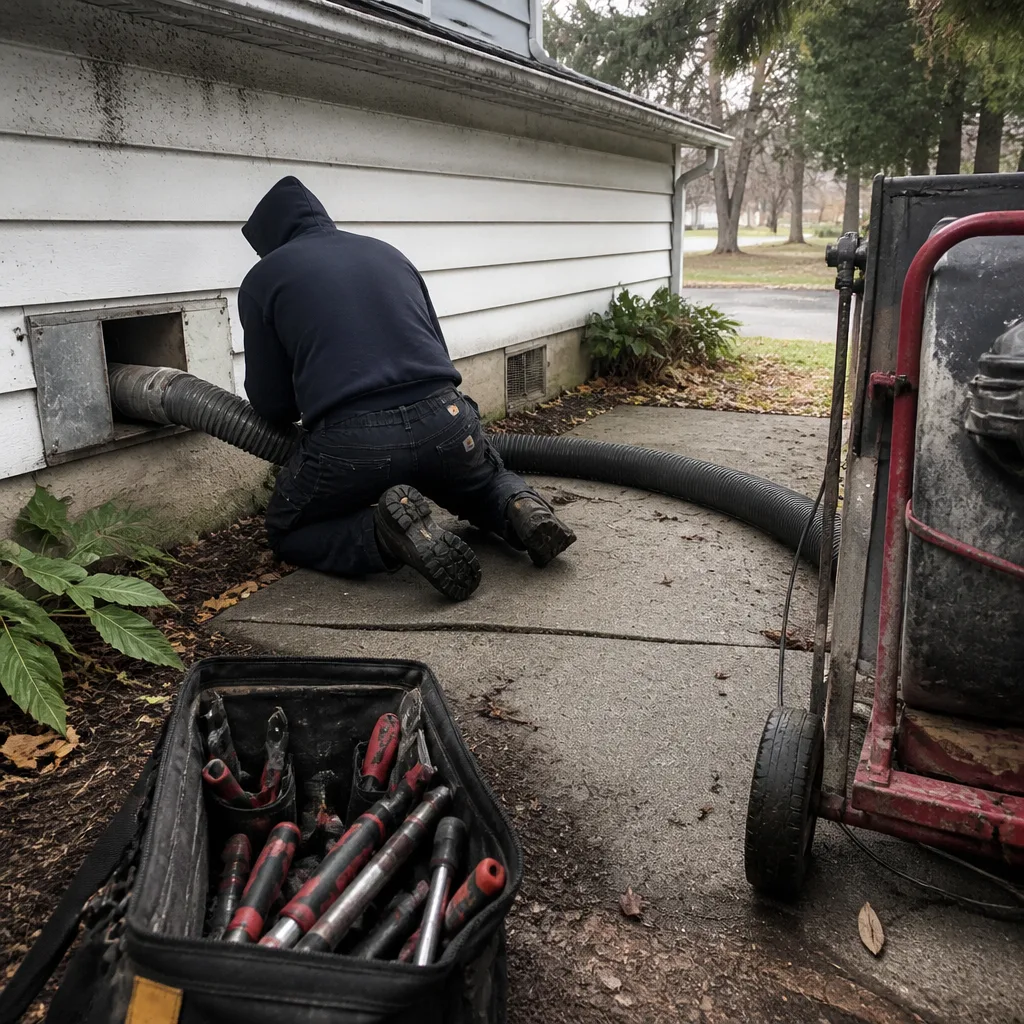 Before
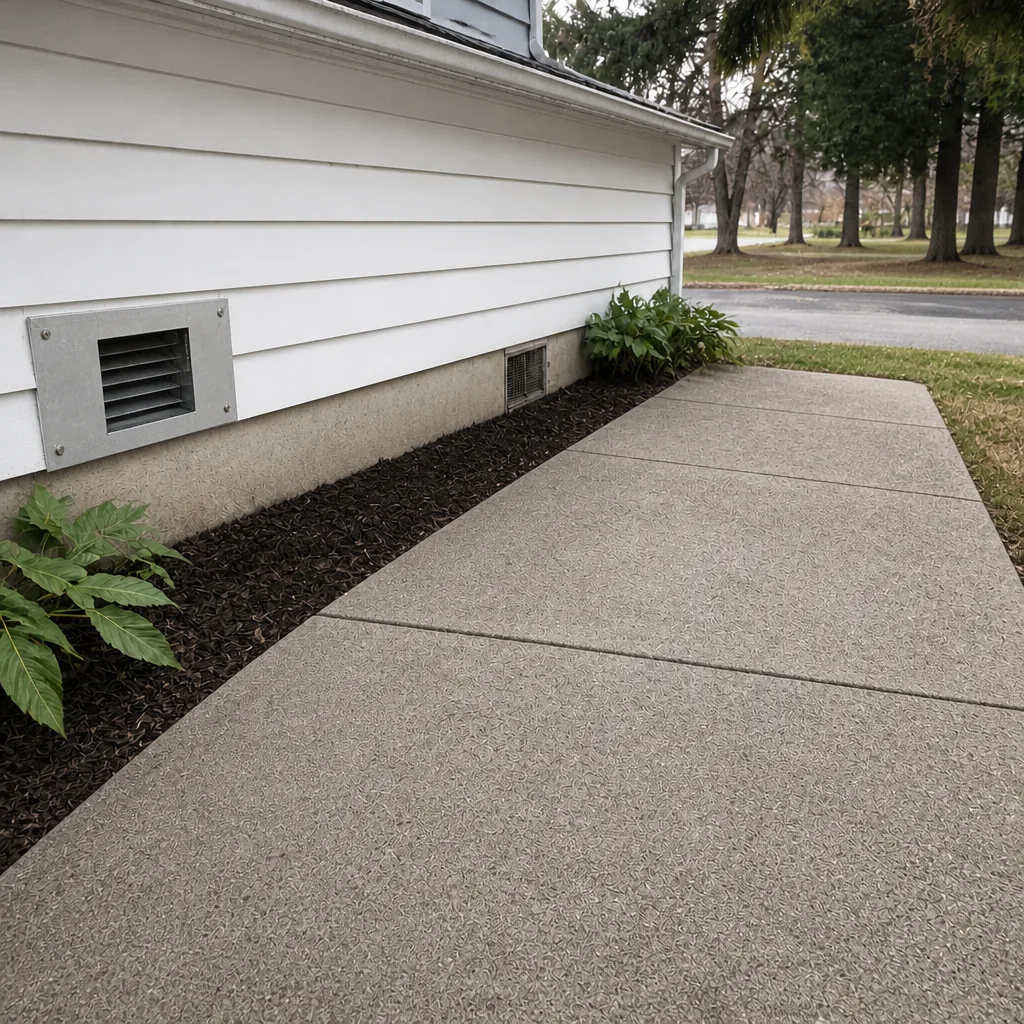 After
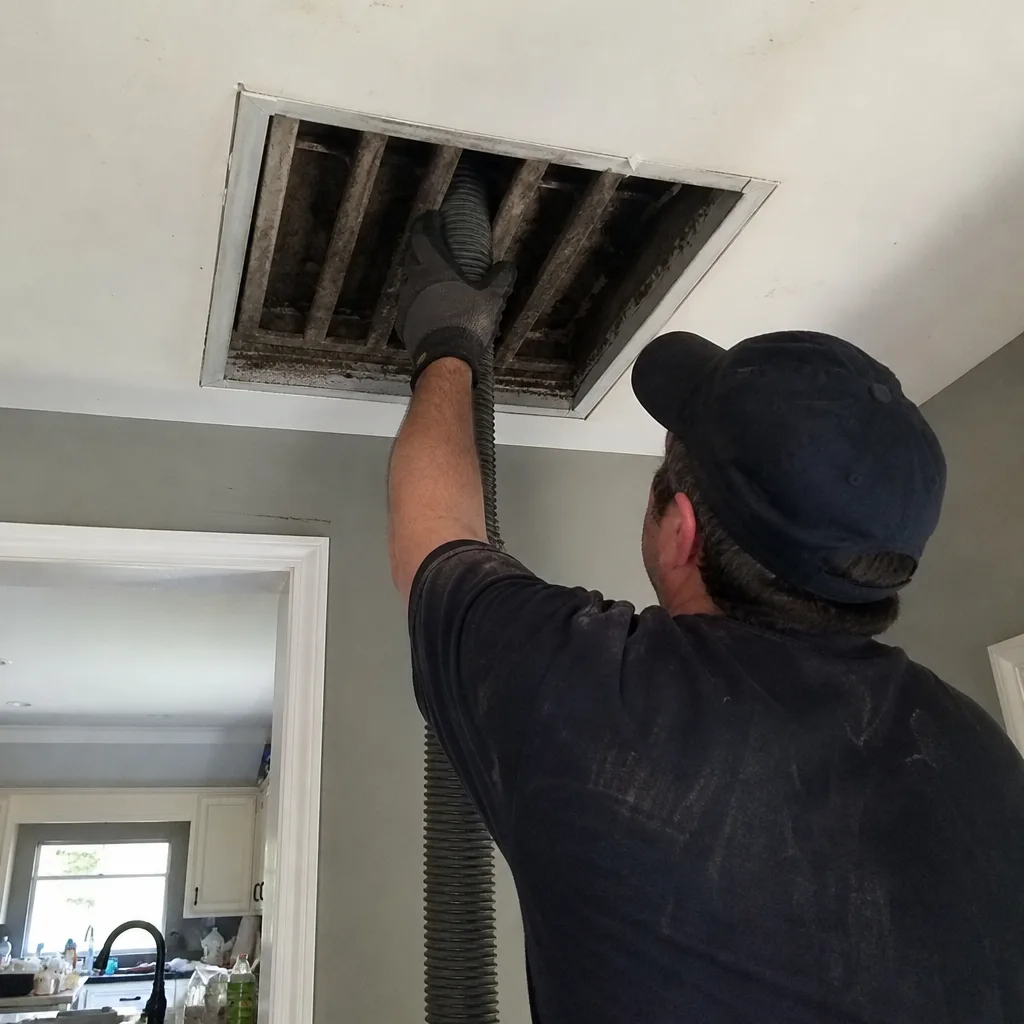 Before
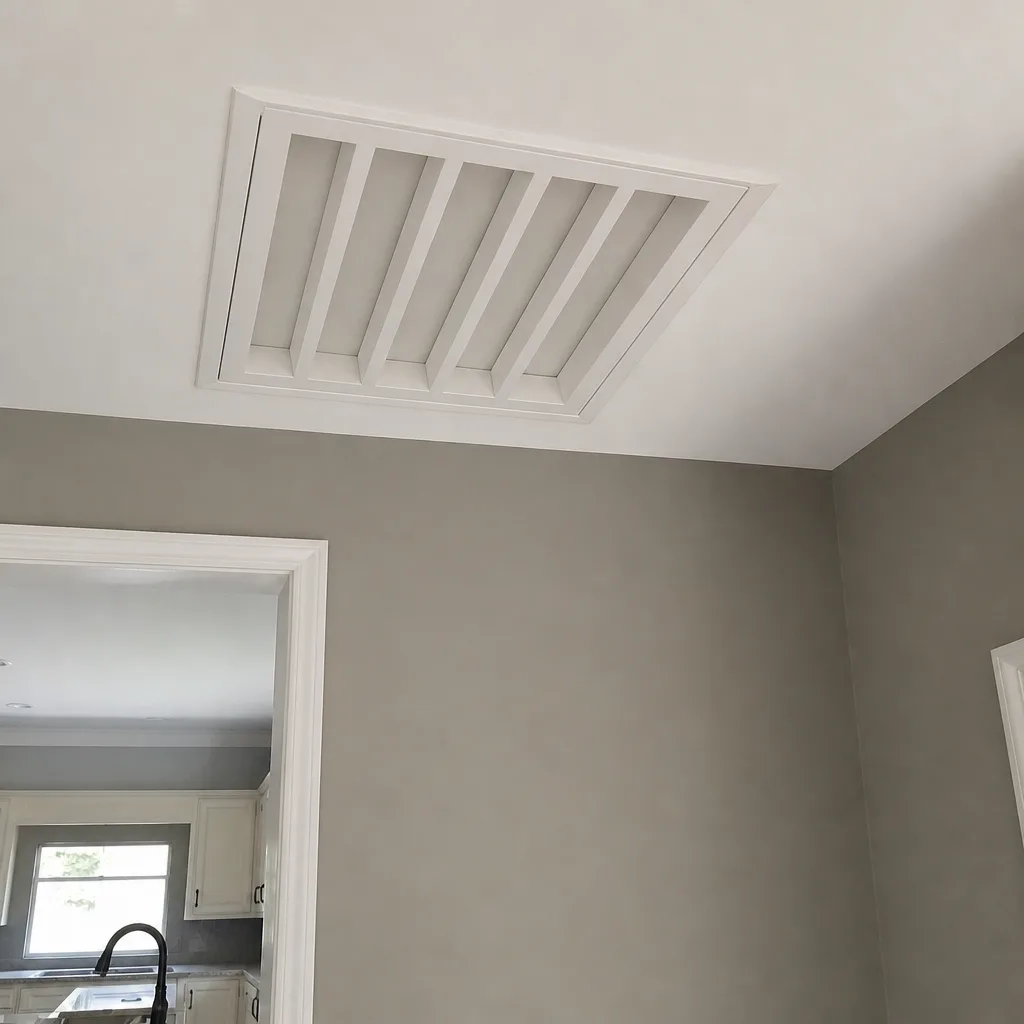 After
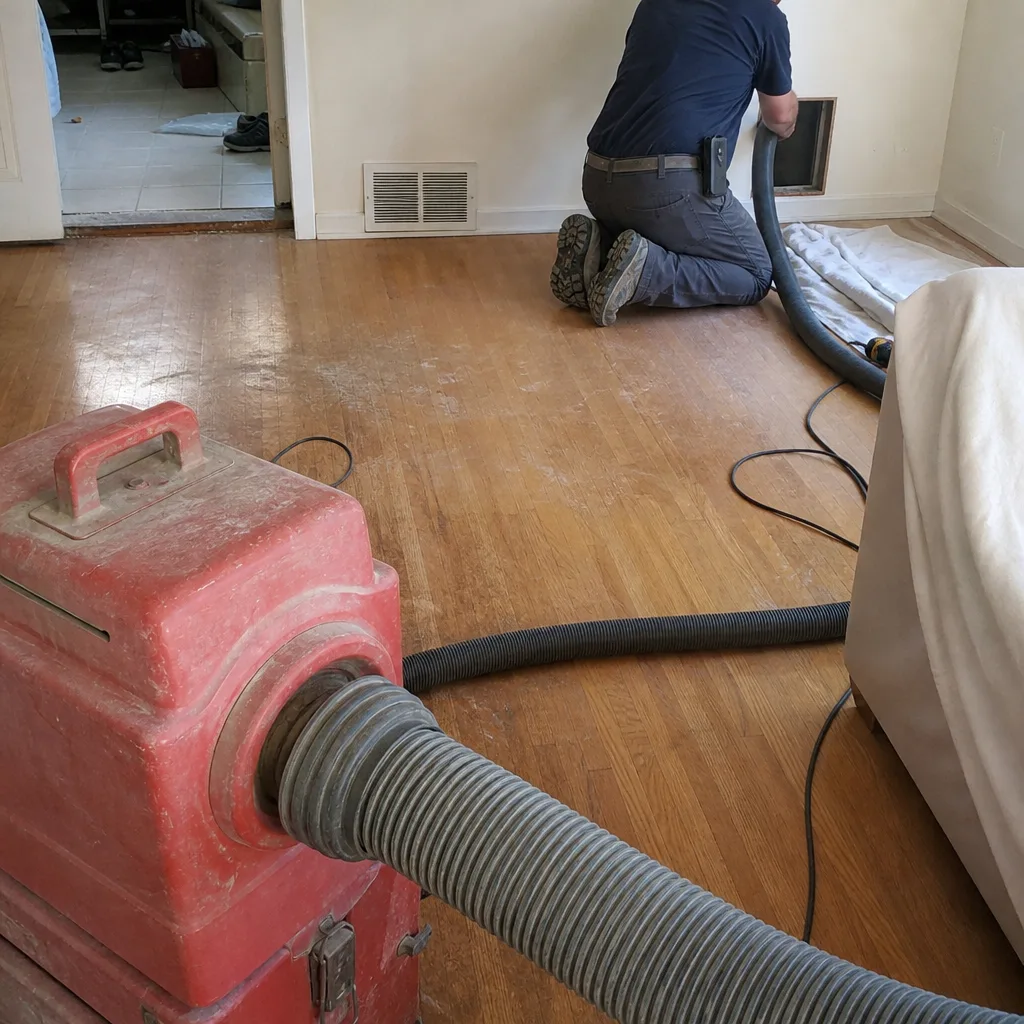 Before
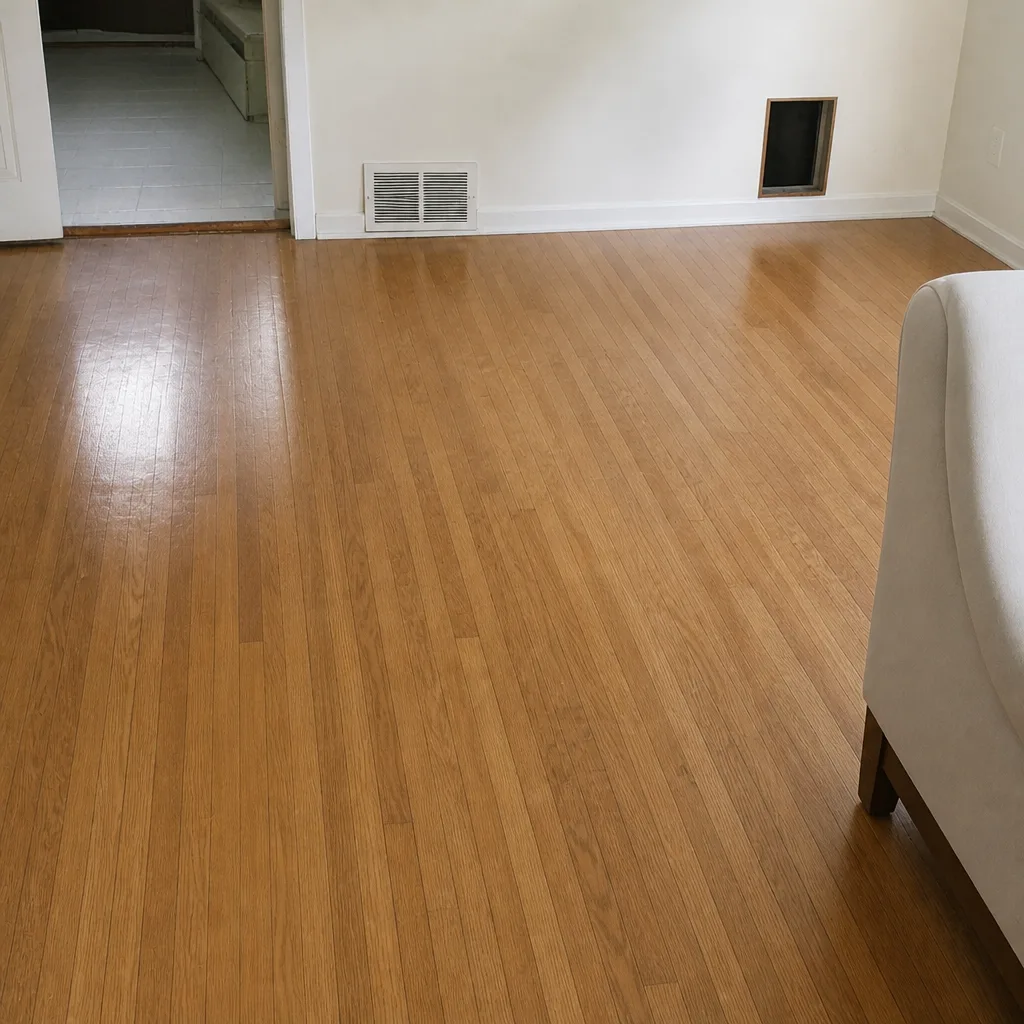 After
When to Call a Professional
Call a technician when you see or smell signs you can’t trace: a persistent dust layer that returns within days of cleaning, a wet earthy odor that spikes when the system starts, or a room that never seems to heat or cool properly. Call if you’ve found visible mold on a register boot or duct interior, if a duct run is visibly disconnected in a crawlspace or attic, or if any bath fan or dryer vent is terminating inside the building envelope. Those are all cases where cleaning without diagnosis risks the wrong fix.
Air Duct Cleaning Tacoma Pros offers free estimates in Tacoma. Call (877) 792-6386 to book a visit. We answer 24/7. Fast dispatch from 7am to 7pm, Sunday through Friday. The local pro conducting the work is licensed and insured as the state requires, and our technicians have up to 11 years of experience.
Frequently Asked Questions
Air duct cleaning in Tacoma typically runs from $350 to $700 for a whole-house system, with the final price set by the written estimate after the technician assesses the duct count, accessibility, and whether repair or sanitizing is needed. Duct repair and sealing is a separate scope when leakage is found, and HVAC cleaning adds its own line item when the equipment is a contamination source. We quote one flat price per system, agreed before work starts, and we don’t price per vent. Call (877) 792-6386 for an exact quote. Estimates are free.
Low quote prices usually cover a per-vent surface clean, not a whole-system diagnosis. A quote that doesn’t include a walkthrough of duct leakage, moisture sources, and equipment condition is a quote for a partial job, and it often turns into a larger invoice once the technician is on site. We confirm one flat price per system before any work begins, and before-and-after photos document what was actually removed from your ducts. Call (877) 792-6386 for a free estimate that reflects the full scope.
Before-and-after photographs of your own ducts are the clearest evidence. We document the work as part of every job, and we walk you through what was found and what was removed. When leakage, mold, or equipment-side contamination is part of the scope, those findings are photographed too, so the repair scope is clear rather than assumed. Call (877) 792-6386 to schedule and ask for the comparison photos.
Most Tacoma homes want a whole-system cleaning every three to five years, and closer to two to three years when pets, recent renovations, or a damp crawlspace are part of the picture. The heavier driver is not the calendar; it’s whether leakage or moisture is present. A leaky duct in a wet climate re-contaminates the system much faster than a clean, intact one. If you’ve found a disconnected duct or a moldy register boot, cleaning alone won’t hold the schedule. Call (877) 792-6386 for a free estimate.
A wet earthy smell at system startup points to mold growth in the supply path, most often on the air handler, the evaporator coil area, or a damp duct run through a crawlspace. A dull dry smell is more likely dust and debris, which a cleaning scope handles. In Tacoma’s wet climate the moisture source has to be found and fixed for the smell to stay gone, so a cleaning without a moisture check usually brings the smell back. Call (877) 792-6386 for an assessment.
Cleaning fixes uneven airflow only when the cause is a partial obstruction. If a room is weak because of a disconnected or torn duct, sealing is the fix. If it’s weak because the system was never balanced or is undersized for the house, neither cleaning nor sealing fixes it, and an HVAC assessment is the next step. A technician should test airflow before recommending a scope. Call (877) 792-6386 for a free estimate and a proper diagnosis.
The Bottom Line
Duct problems read like one symptom and turn out to be four different root causes. Sorting them before you book a visit is the difference between fixing the problem and paying for it twice. Debris means cleaning. Leakage means repair and sealing. Mold means cleaning, sanitizing, and moisture control together. Equipment contamination means the ducts were never the source. In Tacoma’s wet climate, moisture is the recurring thread, and it’s why mold deserves its own diagnostic category here. Run the visual checklist, note the symptom timeline, and ask the technician to diagnose before cleaning. One qualified team that covers cleaning, repair, sealing, HVAC-side work, and air sanitizing shortens the path from symptom to fix.
Call (877) 792-6386 for a free estimate. We answer 24/7. Fast dispatch from 7am to 7pm, Sunday through Friday.
Written by the team at Air Duct Cleaning Tacoma Pros.