
Last updated November 23, 2026
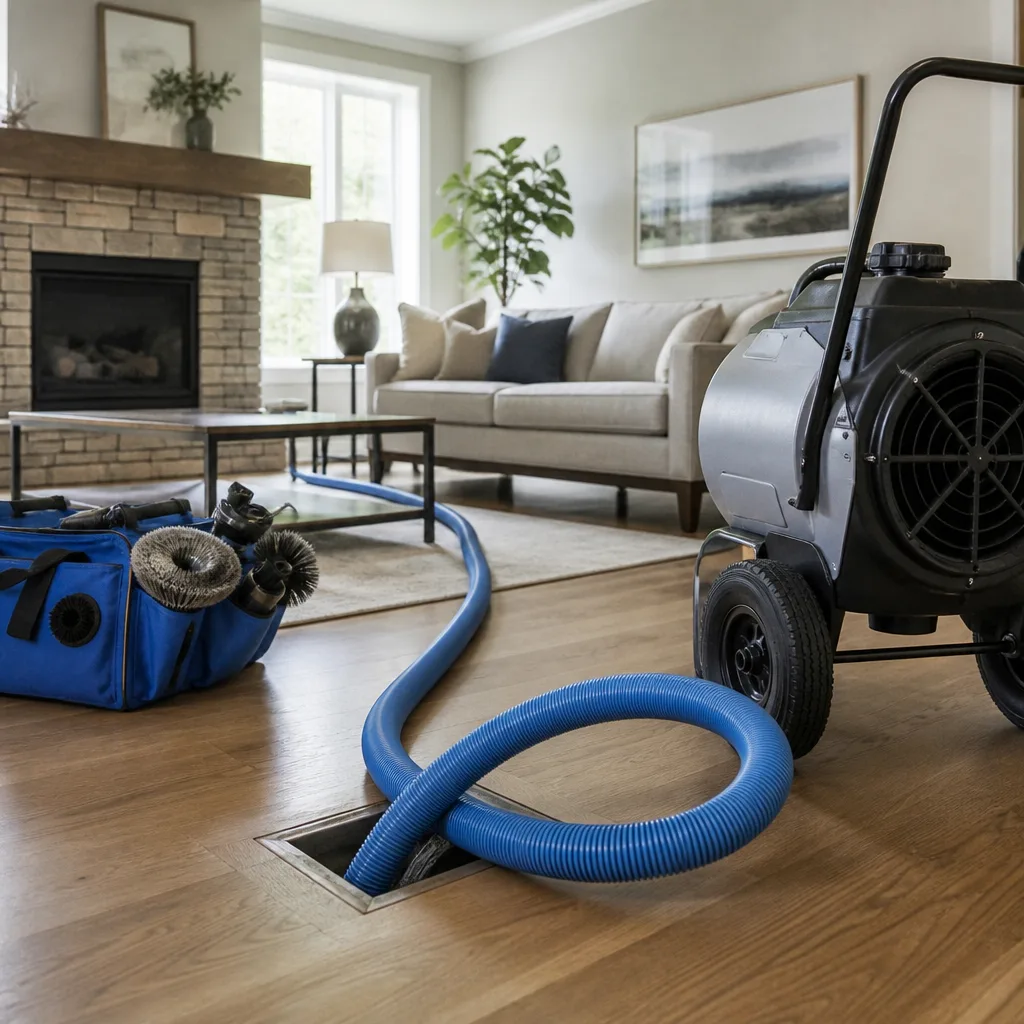 Whole-home duct cleaning
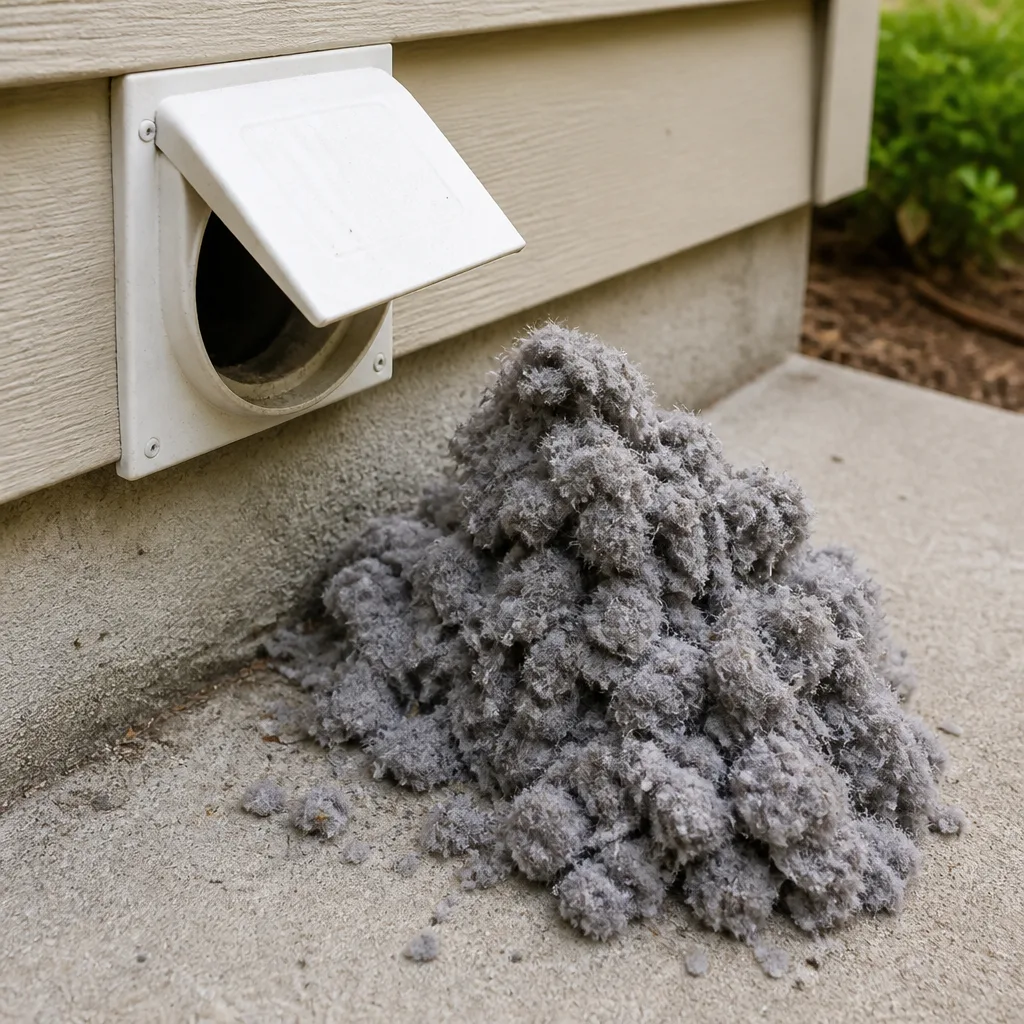 Dryer vent cleaning
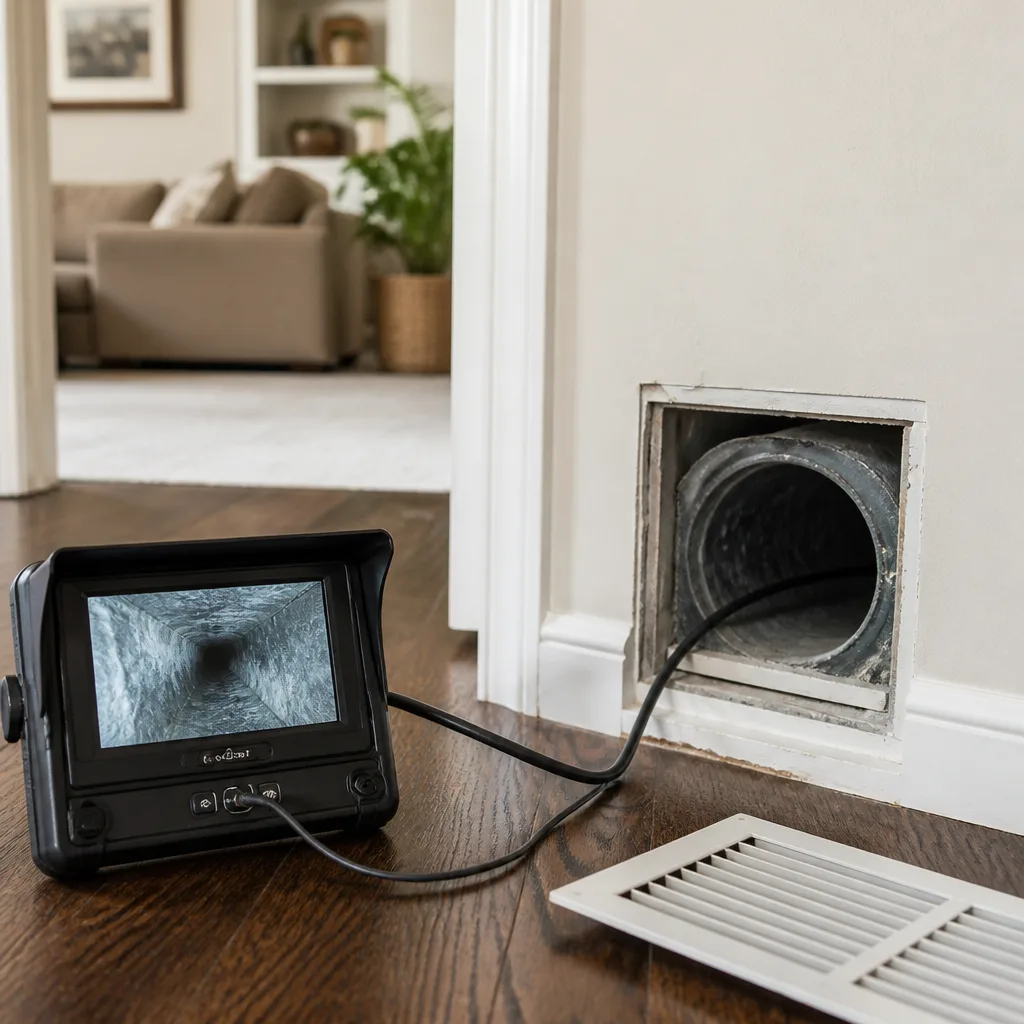 Camera inspection
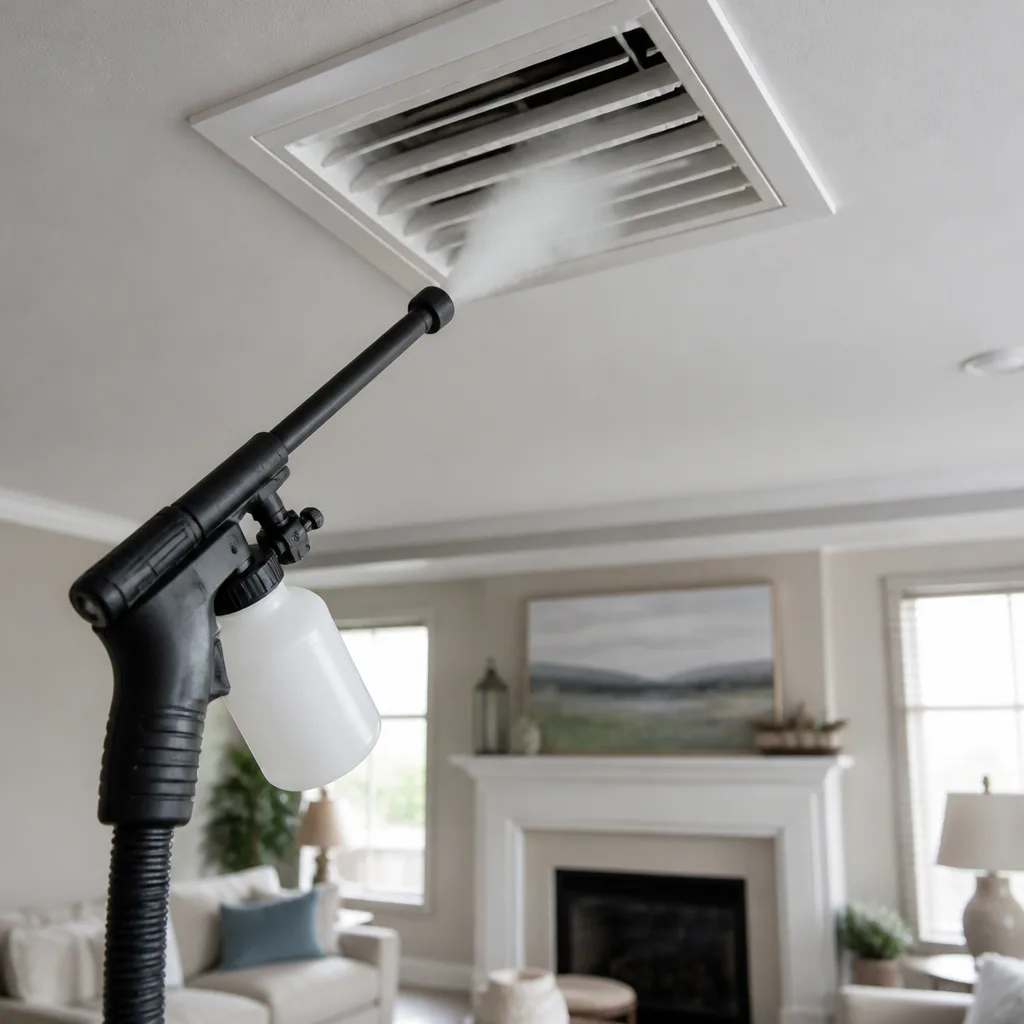 Sanitizing & deodorizing
Whole-system duct and dryer vent check with before-and-after photos - you see exactly what came out of your vents
That "$99 whole-house special" is a bait ad - the real number appears once they are in your hallway, or the "clean" is a shop-vac at the register. We photograph the inside of your ducts before and after instead.
Air Duct Cleaning Warning Signs: A Tacoma Homeowner’s Reference Guide
By the time you can see dust curling out of a supply register, the contamination load inside your ductwork has usually been building for months or years. Visible dust is the last sign to show up, not the first. In Tacoma homes, the earlier warnings often surface somewhere you never look: the return plenum, a subfloor duct run in a damp crawlspace, or the way one bedroom heats slower than the rest of the house. This guide walks through the quiet, early-stage indicators that a duct system needs attention, explains which ones are specific to Tacoma’s wet climate and older housing stock, and shows you how to tell a dirty-duct problem apart from an equipment failure. By the end you’ll know what to watch for, what to check yourself, and when to call a professional.
Quick Answer
The earliest warning signs of dirty air ducts are uneven airflow between rooms, a musty or dusty smell in the first few minutes of a heating cycle, allergy symptoms that flare when the HVAC system runs, and visible moisture staining near floor registers. In Tacoma, these signs tend to show up first in crawlspace duct runs and return plenums because of the region’s damp climate. If you notice two or more of them, it’s worth having the system inspected.
Styles & brands we work with
- Whole-home duct cleaning
- Dryer vent cleaning
- Camera inspection
- Sanitizing & deodorizing
Table of Contents
- Early-Stage Signs You Can Easily Miss
- Tacoma-Specific Red Flags: Moisture and Subfloor Ducts
- What Wildfire-Smoke Season Leaves Behind in Ductwork
- The Dryer Vent Connection Most Homeowners Miss
- Dirty Ducts vs. HVAC Failure: How to Tell the Difference
- What a Proper Inspection Actually Looks Like
- A Step-by-Step Decision Checklist
Early-Stage Signs You Can Easily Miss
Most warning-sign lists point at the obvious: dust on the register grille, a dirty filter, or visible debris. Those are late-stage symptoms. The signals that matter most appear long before the mess is visible, and they’re easy to mistake for normal quirks of an older house.
Here’s what we’ve learned to watch for on residential systems, and what each sign usually points to:
- Uneven airflow between rooms. One bedroom heats fast, another stays cool no matter how long the system runs. This often means a branch duct is partly blocked by debris or a collapsed liner, not that the furnace is weak. Homeowners routinely blame the equipment when the real issue is inside the duct run.
- A smell at startup. The first few minutes of a heating cycle draw air across months of accumulated dust on the heat exchanger and inside the duct. A faintly dusty, stale or “hot metal” odor that fades after a while is a classic early sign.
- Allergy symptoms that track the thermostat. If sneezing, itchy eyes or congestion get worse when the system runs and ease when it’s off, the duct system is the common factor worth checking.
- A filter that clogs faster than it used to. If you’re changing filters more often than before, debris is circulating and the system is pulling harder to move air.
- Visible dust trails at the register edges. Fine streaks where air escapes a loose boot or joint mean pressure is leaking into the wall cavity, carrying dust with it.
None of these signs, on their own, proves the ducts are dirty. But if two or three of them show up together, the pattern is worth investigating. The trick is not waiting for the obvious, visible stage, which in a Tacoma home can take a long time to arrive.
Tacoma-Specific Red Flags: Moisture and Subfloor Ducts
Tacoma’s wet climate creates warning signs you won’t find on a generic national checklist. The region’s damp air and the prevalence of crawlspace duct runs in older homes mean moisture intrusion is the first thing a real inspection should rule out.
Here’s what to check, and what it tells you:
- Musty odor from subfloor duct runs. If you smell a damp, earthy or “basement” smell when the heat comes on, the duct may be pulling air from a crawlspace. In a wet climate, that air can carry moisture and organic debris into your living space.
- Visible moisture staining near floor registers. Stains, warped trim or a darkened patch of flooring around a floor register suggest condensation or a gap where moist air is entering.
- Cold spots that feel damp. A room that feels not just cold but damp during heating cycles can point to a duct running through an unsealed crawlspace.
- Loosened or sagging flexible duct in the crawlspace. Older flexible runs often sag, trapping moisture and debris. This is a repair issue as much as a cleaning issue.
Here’s the part most weatherization guides skip: Tacoma’s damp season means a subfloor duct problem rarely stays a cleaning problem. Once moisture gets into a duct run, seals and connections loosen over time, and the fix is duct repair and sealing, not just cleaning. This is why our duct repair and sealing service matters as much as the cleaning itself: we can find and fix the source, not just clean around it. And when a duct system has been exposed to moisture, a proper air sanitizing pass addresses what the cleaning leaves behind.
What Wildfire-Smoke Season Leaves Behind in Ductwork
Wildfire season across the Pacific Northwest leaves a specific signature inside ductwork, and it’s one of the most-missed warning signs. Smoke odor that seems to “come back” each time the system runs is not your imagination. Fine smoke particles settle on duct walls, on the blower wheel and on the heat exchanger, and a normal filter change doesn’t remove them.
What that buildup looks like, before and after a professional cleaning, is revealing: a thin grey film that isn’t obvious with a flashlight pointed into a register. A visual check without proper lighting and a scoping tool will miss most of it. That’s why we use professional-grade equipment, including Rotobrush and Abatement Technologies systems, to reach inside the duct run and actually see what’s there before we make a recommendation. The same equipment commercial contractors trust gives a residential inspection a real look at the problem.
The signs that smoky buildup is lingering after the smoke season clears:
- An acrid or campfire odor appears when the heating or cooling system starts.
- Family members notice eye or throat irritation on days the system runs heavily.
- Filters show a grey tint, not the usual dust-grey, within a week or two of changing.
- Smoke-season symptoms that never quite go away even after the air clears outdoors.
Post-smoke cleaning is a full-system job. Cleaning the visible ductwork without cleaning the HVAC components and the blower can leave the source in place, which is why HVAC cleaning is part of a complete answer in Tacoma.
The Dryer Vent Connection Most Homeowners Miss
Homeowners almost never connect a dryer that takes two cycles to dry a load with an air-quality problem. But dryer vent restriction is both a fire hazard and an indoor air-quality issue, and in a damp Tacoma climate it’s frequently overlooked because the dryer itself never complains loudly enough to prompt a call.
A restricted dryer vent does two things that degrade air quality. It pushes lint and moisture back into the laundry area, raising humidity, and it makes the dryer work harder and run longer, pushing more moisture and fine particles into the home. In a wet climate, that added humidity compounds everything else going on in the house.
Watch for these warning signs:
- Clothes take longer than usual to dry, or need a second cycle.
- The dryer feels hot to the touch on the exterior.
- A musty smell lingers in the laundry area after a load finishes.
- Lint builds up around the vent opening or behind the dryer.
- The outside vent flap doesn’t open fully when the dryer runs.
If any of those sound familiar, dryer vent cleaning handles both the safety concern and the air-quality side of the problem. It’s one of the most useful preventive services a homeowner can schedule, because it addresses a hazard and an air-quality issue in the same visit.
Dirty Ducts vs. HVAC Failure: How to Tell the Difference
One of the most expensive mistakes a homeowner makes is calling an HVAC technician for a problem the duct system is causing, or spending on a repair when what’s needed is a cleaning and a seal. Knowing which symptom points where saves a lot of time and money.
Use this side-by-side to sort it out:
- Signs of a dirty or failing duct system: uneven airflow between rooms, musty odors when the system runs, dust trails at register edges, allergy symptoms that track the thermostat, and loose or sagging duct in a crawlspace. The equipment runs, but the delivery is uneven and debris is present.
- Signs of an HVAC equipment problem: the system won’t start at all, short-cycling, a refrigerant leak (ice on the line or no cooling in summer), a failed blower motor, or a furnace that won’t ignite. These are equipment failures, not duct issues.
- Signs that look like both: poor heating or cooling combined with strange noises or a persistent smell. In this case, get the ducts inspected first. If it turns out to be an equipment problem, the inspection narrows down what an HVAC technician needs to look at.
In our experience, the dividing line in most Tacoma homes comes down to whether the system is moving air and roughly heating or cooling, just not evenly or cleanly. If it’s moving air and the problem is uneven or dirty, a duct assessment is the right call. If it’s not starting or not cooling at all, that’s an equipment issue. Our team diagnoses the duct side and can identify when the problem is a failing duct versus when it belongs with an HVAC technician, so you’re not guessing.
What a Proper Inspection Actually Looks Like
A visual check with a flashlight pointed into a register tells you almost nothing. A real duct inspection requires proper lighting, a scoping tool to see inside the duct run, and someone looking at the parts you can’t reach. That distinction matters because most missed problems sit exactly where a flashlight can’t go.
Here’s how a proper inspection typically proceeds:
- Airflow and pressure assessment. We measure airflow at the registers and check the system to establish a baseline, so the source of the problem is identified before any cleaning begins.
- Scoping and visual inspection of the duct runs. The supply and return sides are inspected with proper lighting and a scoping tool to see inside main trunks, branches and the return plenum.
- Source and contamination review. Any moisture staining, loose or disconnected duct, or infiltration from a crawlspace is documented and photographed.
- Recommendation and written estimate. You get a clear picture of what’s there, what’s needed, and a flat price per system before any work starts.
Our technicians have up to 11 years of experience working on residential and light-commercial air systems, and we use professional-grade equipment, including Abatement Technologies systems for air quality and contamination control. When an inspection leads to a cleaning, you get a full-system job: air duct cleaning, HVAC cleaning, and an air sanitizing pass if needed, all handled by one team. You’re not left coordinating a second company for the repair or the sanitizing.
Clean ducts are only part of the job. Integrating products from Honeywell, Aprilaire and Guardsman with our cleaning and sanitizing services gives you a path from cleaning to ongoing air management, which matters if the underlying problem is an aging system and not just a one-time mess.
A Step-by-Step Decision Checklist
You don’t have to guess. Use this checklist to decide whether a call is warranted.
- Count the early signs. Uneven airflow, a startup smell, allergy symptoms that track the system, faster filter clogging. Two or more together warrant a call.
- Check the laundry room. Is the dryer slow, hot, or leaving a musty smell? If yes, include a dryer vent inspection.
- Look at the crawlspace access point. Any musty smell, visible staining, or sagging flexible duct means a crawlspace duct inspection is needed.
- Rule out equipment failure. If the system won’t start or won’t cool, call an HVAC technician. If it runs but delivers uneven or dirty air, call us for a duct assessment.
- Skip the visual-only “free” inspection pitch. Any inspection without scoping and proper lighting is not a real inspection.
- Ask for the written estimate. The price should be a flat per-system figure agreed before work starts, not a per-register or per-vent number that grows once the technician is on site.
A scheduled job, not an emergency one. Once you’ve decided the signs are there, book the assessment. The earlier you catch a crawlspace moisture problem or a failing duct run, the less it costs to fix. See our full air duct cleaning page for what a scheduled job involves.
Common Mistakes to Avoid
- Waiting for visible dust before acting. By the time dust blows from the registers, the buildup is months or years old. Watch for the early signs, not the late ones.
- Treating a visual-only check as an inspection. A flashlight into a register misses most of the problem. Insist on proper lighting and a scoping tool, particularly if you have subfloor ducts in a Tacoma crawlspace.
- Blaming the furnace for an airflow problem. Uneven heat is often a duct issue, not an equipment failure. Get the ducts assessed before paying for an HVAC repair.
- Ignoring the dryer vent. A slow dryer is a warning you shouldn’t dismiss. It’s both a fire safety and an air-quality concern, and both are addressed in one visit.
- Accepting per-vent or coupon pricing. A teaser price that grows once the technician is on site is bait-and-switch. Ask for one flat price per system, agreed before work starts.
- Skipping the repair side. Cleaning a duct system with a loose connection or a moisture source just means the problem comes back. The fix needs to include duct repair and sealing when the inspection finds a failure.
- Cleaning the ducts and leaving the HVAC components untouched. The blower, coils and heat exchanger need cleaning too, or the system pulls the same debris back into the ducts.
See the difference
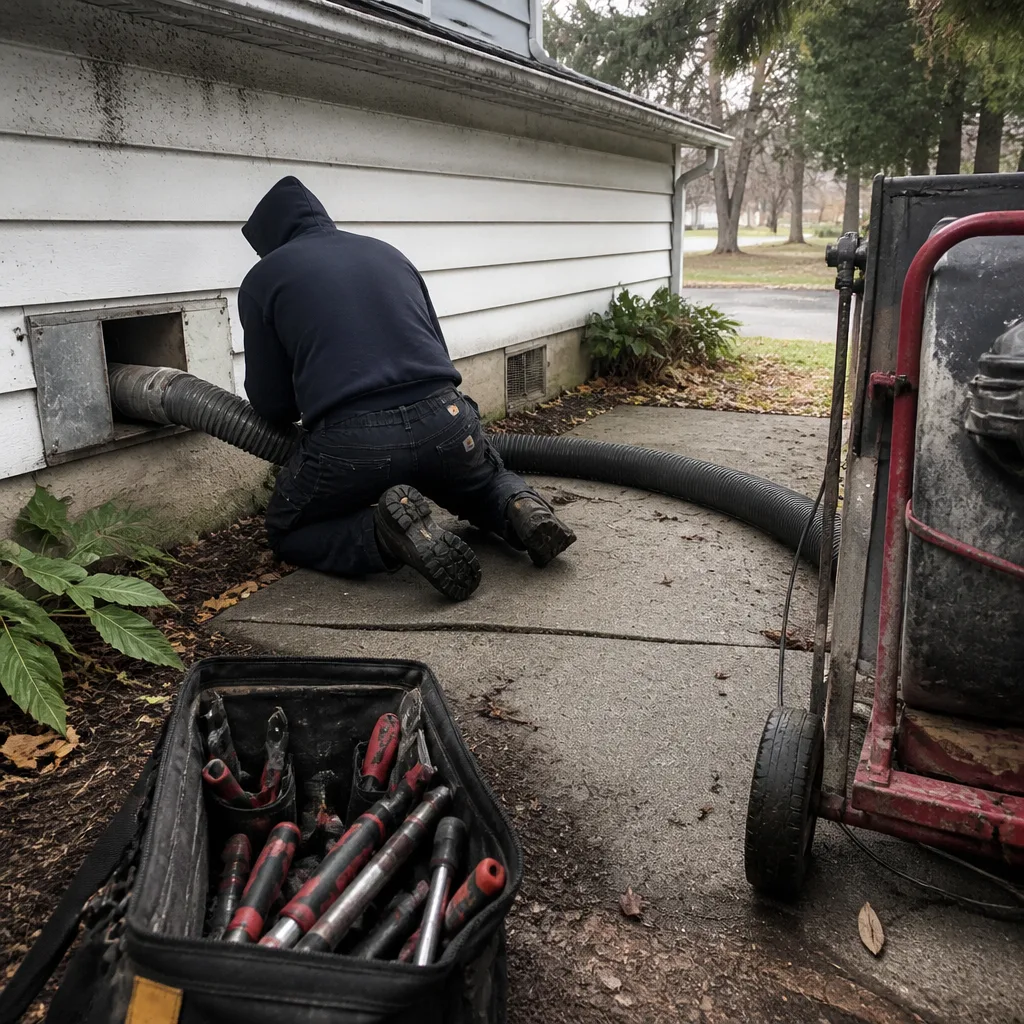 Before
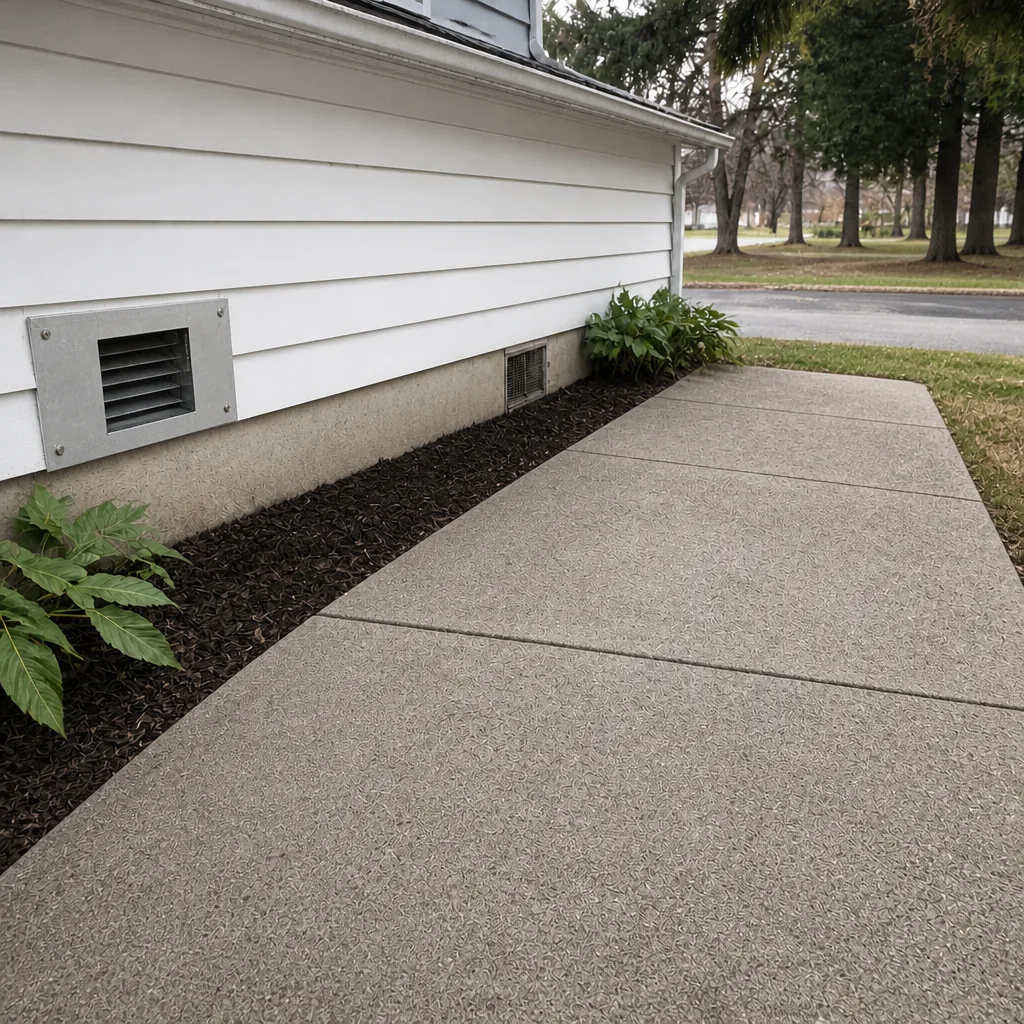 After
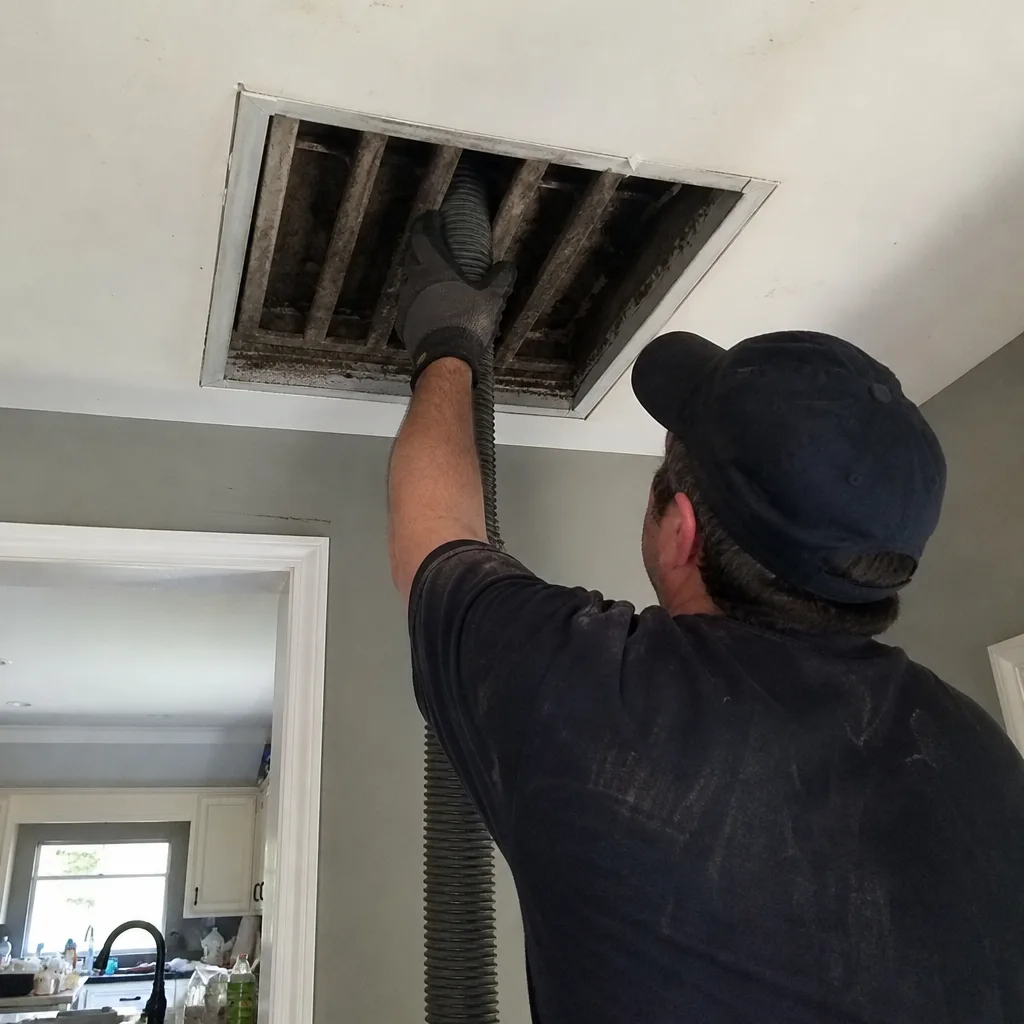 Before
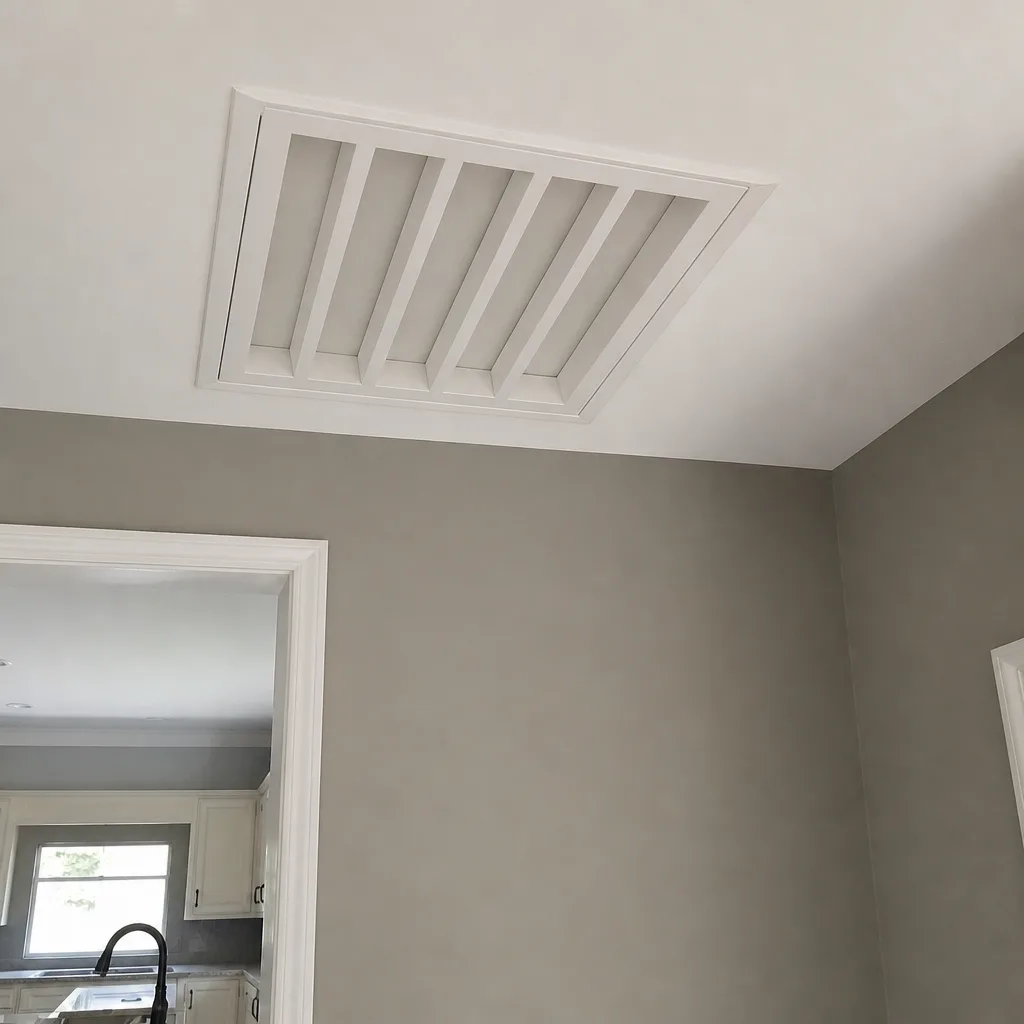 After
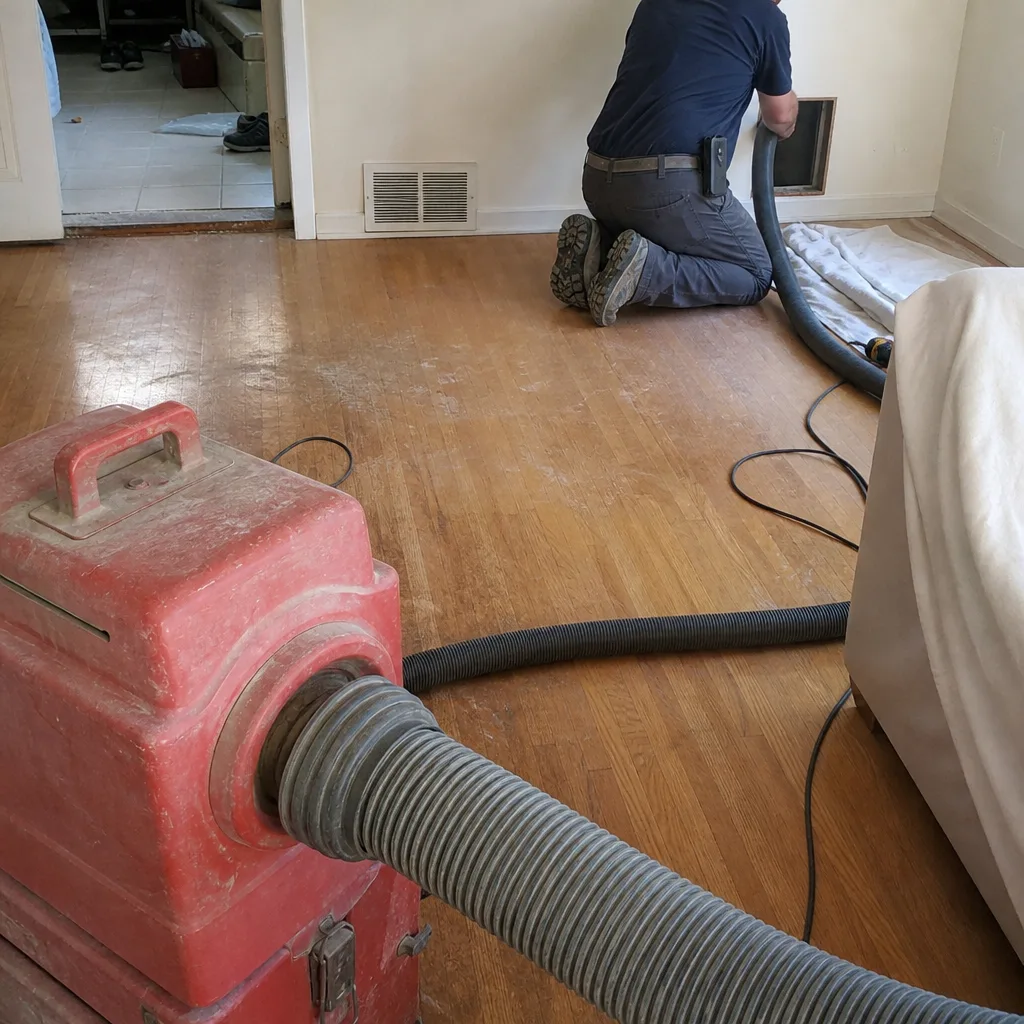 Before
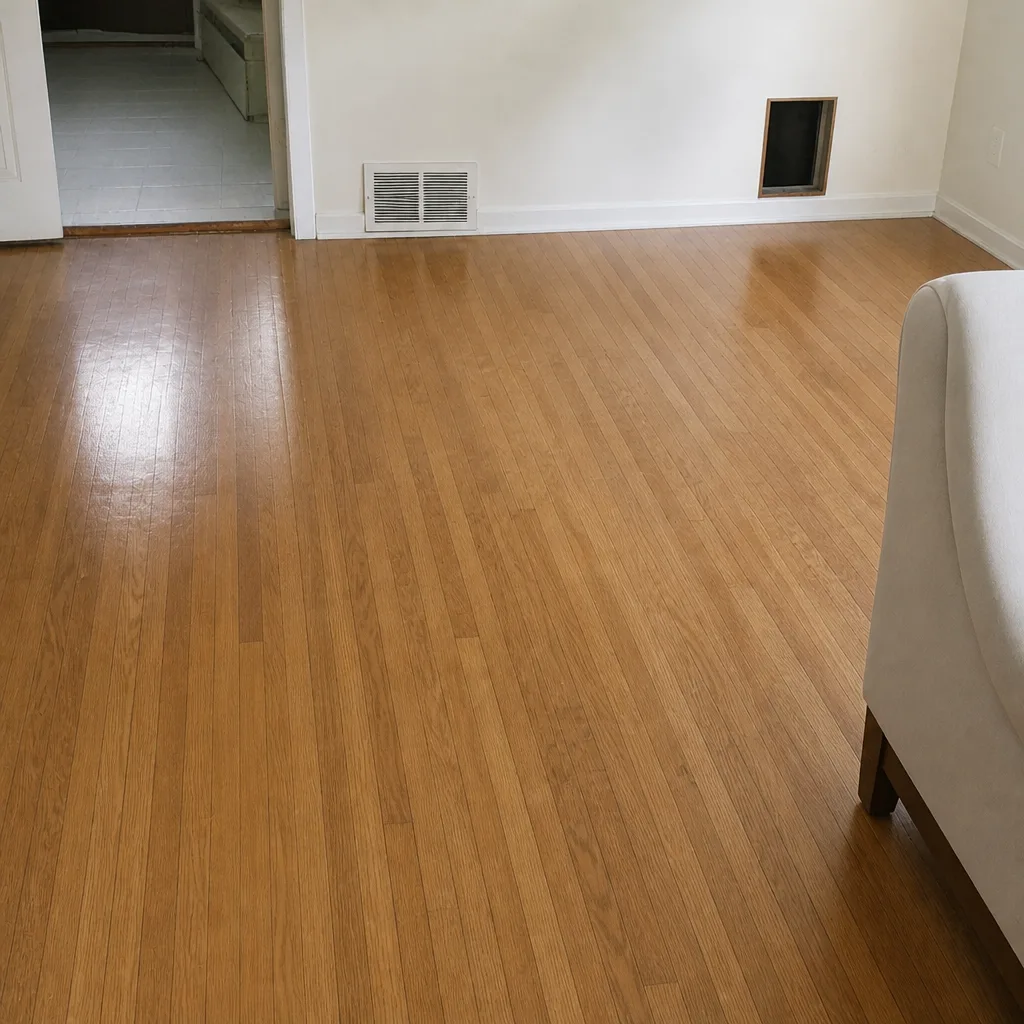 After
When to Call a Professional
Call a professional when you see two or more early warning signs together: uneven airflow between rooms, a musty odor in the first minutes of a heating cycle, or moisture staining near a floor register. Call immediately if you smell a damp, earthy odor coming from a subfloor duct, or if a dryer is taking multiple cycles to dry a load. Also call if you had a duct system exposed to moisture, recent renovation, or a smoke season, because those are the conditions where proper scoping matters most. Air Duct Cleaning Tacoma Pros offers free estimates in Tacoma. Call (877) 792-6386 to schedule an assessment.
Frequently Asked Questions
You need an assessment if you see two or more early signs together, not just visible dust. The most reliable early indicators are uneven airflow between rooms, a musty smell at the start of a heating cycle, allergy symptoms that track the HVAC system, and visible moisture staining near floor registers. In Tacoma’s damp climate, moisture staining and a musty subfloor smell should be treated as an immediate reason to call, because a moisture problem rarely stays a cleaning problem. Call (877) 792-6386 for a free estimate.
Yes. Tacoma’s damp weather makes crawlspace duct problems far more common than in drier regions. The specific signs to check are a musty or earthy smell from subfloor duct runs, visible staining near floor registers, cold spots that feel damp, and sagging or loosened flexible duct in the crawlspace. Those signs often point to duct repair and sealing rather than cleaning alone. Call (877) 792-6386 to schedule a crawlspace duct assessment.
If the system runs but delivers uneven, dusty or smelly air, the duct system is the likely culprit. If the system won’t start, short-cycles, has a refrigerant leak or a failed blower, that’s an equipment failure. The dividing line is usually whether air is moving and the equipment is roughly performing. When it runs but delivers uneven or dirty air, call us first. Call (877) 792-6386 for a free estimate.
Yes. Smoke season leaves a thin film of fine particles on duct walls, the blower wheel and the heat exchanger, and a standard filter change doesn’t remove it. The signs are a campfire odor when the system runs, eye or throat irritation on heavy-use days, and filters that turn grey quickly. Residue is usually not visible with a flashlight alone; a proper inspection with lighting and a scoping tool finds it. Call (877) 792-6386 to schedule an inspection.
A restricted dryer vent pushes lint and moisture back into the laundry area and makes the dryer run longer and hotter. That raises humidity and pushes fine particles into the home, which matters more in Tacoma’s damp climate. The warning signs are slow drying, a hot dryer exterior, a musty smell and lint buildup around the vent. Call (877) 792-6386 to schedule dryer vent cleaning.
We fix what we find. Duct repair and sealing is a core service, so when the inspection turns up a loose connection, a collapsed liner or a moisture source, we can address the root cause rather than clean around it. That’s a meaningful difference from a pure-cleaning service. Call (877) 792-6386 for a free estimate.
The Bottom Line
The warning signs that matter most in Tacoma homes are the quiet ones: uneven airflow, a musty smell at startup, allergy symptoms that track the HVAC system, and moisture staining in the crawlspace. Visible dust is the last sign, not the first, and a flashlight-only inspection will miss most of what’s actually going on. Catching these signs early turns a repair-plus-cleaning into a simple scheduled job, which is exactly why a thorough scope-and-fix approach beats a quick cleanup. When you’re ready, or if you’re not sure, call for an assessment. We answer 24/7. Fast dispatch from 7am to 7pm, Sunday through Friday.
Ready to find out what’s really in your duct system? Call (877) 792-6386 for a free estimate from Air Duct Cleaning Tacoma Pros. Our technicians have up to 11 years of experience, and we use the professional-grade equipment commercial contractors trust, including Rotobrush and Abatement Technologies systems. One call covers your entire air system. We answer 24/7, with fast dispatch from 7am to 7pm, Sunday through Friday.
Written by the team at Air Duct Cleaning Tacoma Pros.