
Last updated November 23, 2026
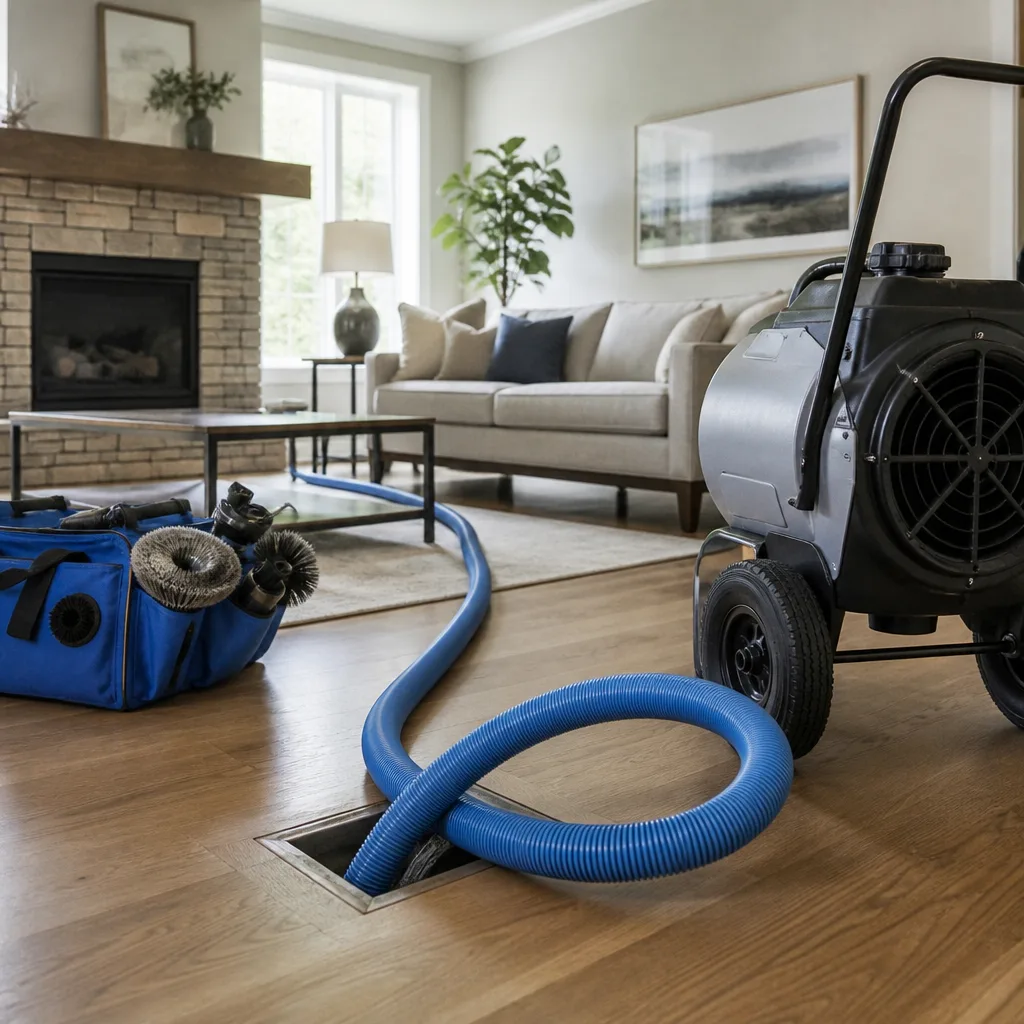 Whole-home duct cleaning
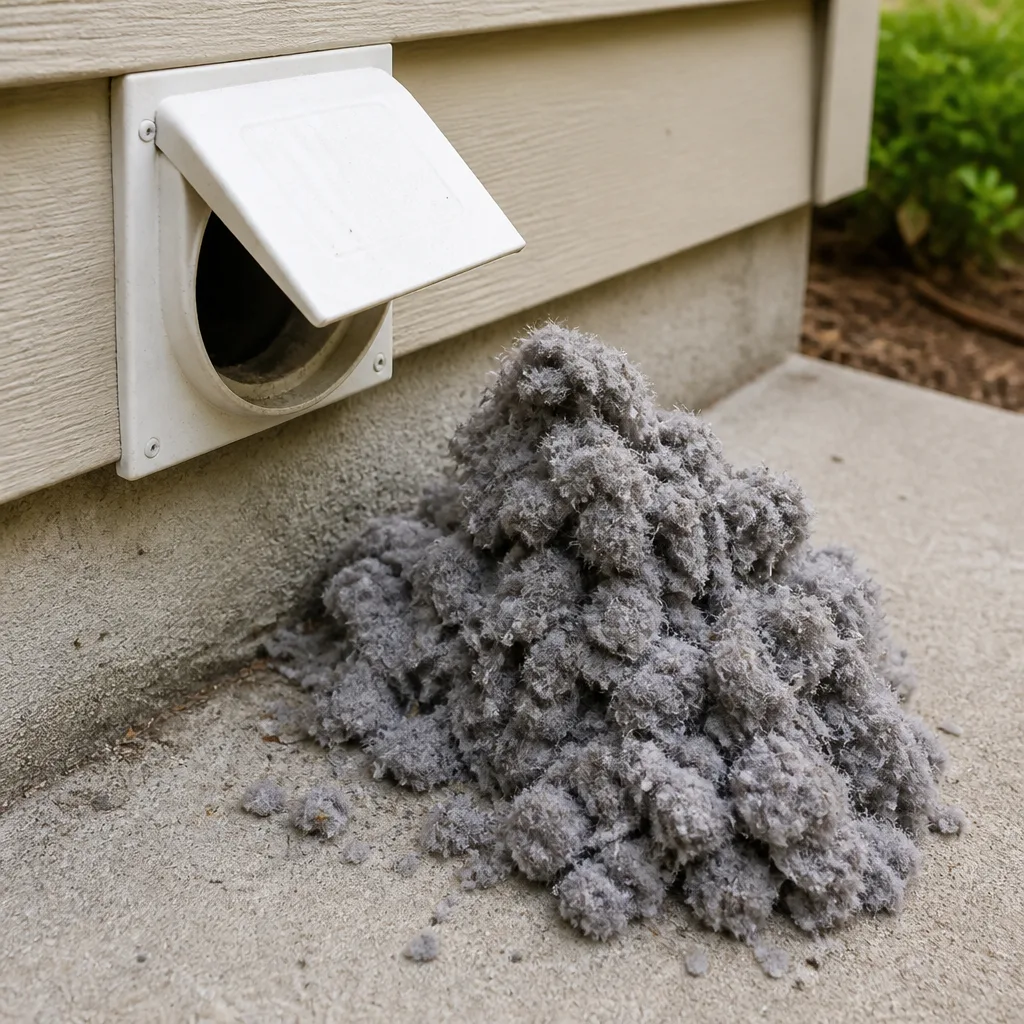 Dryer vent cleaning
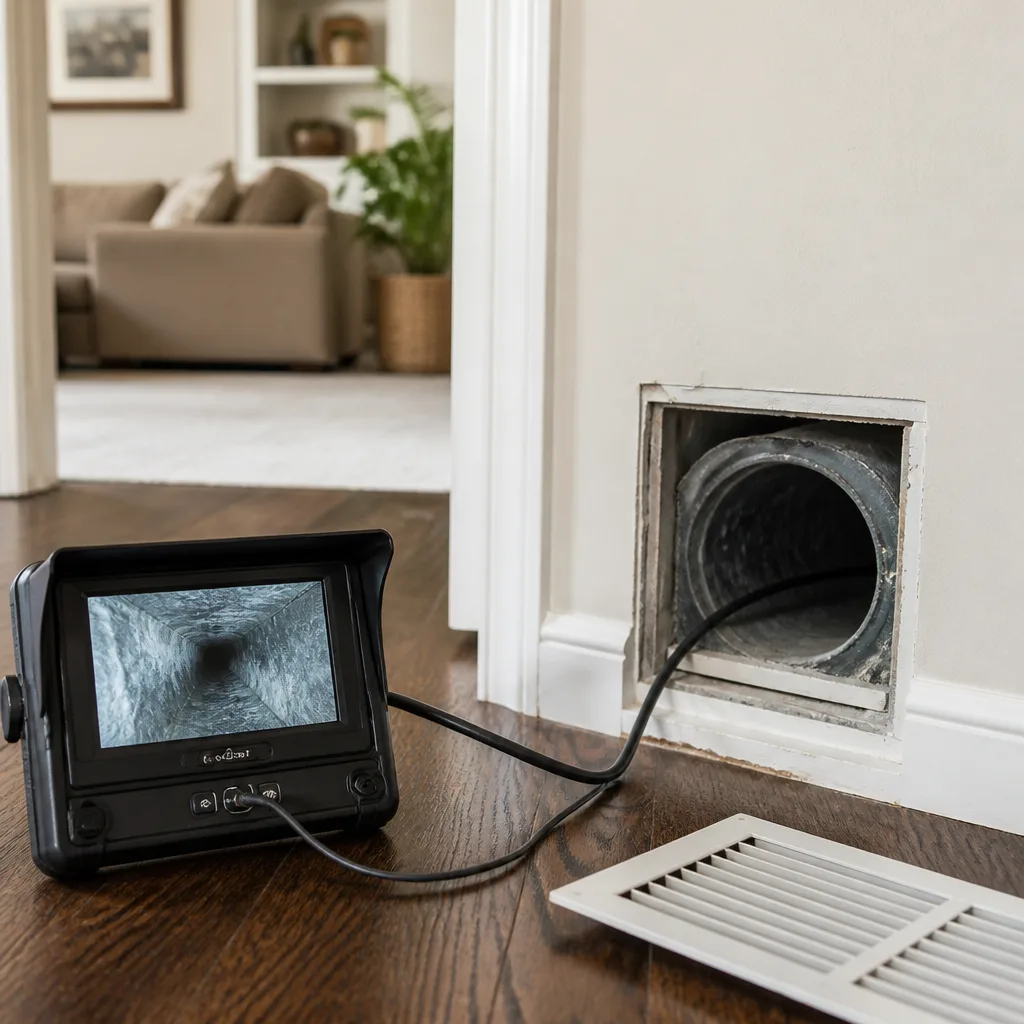 Camera inspection
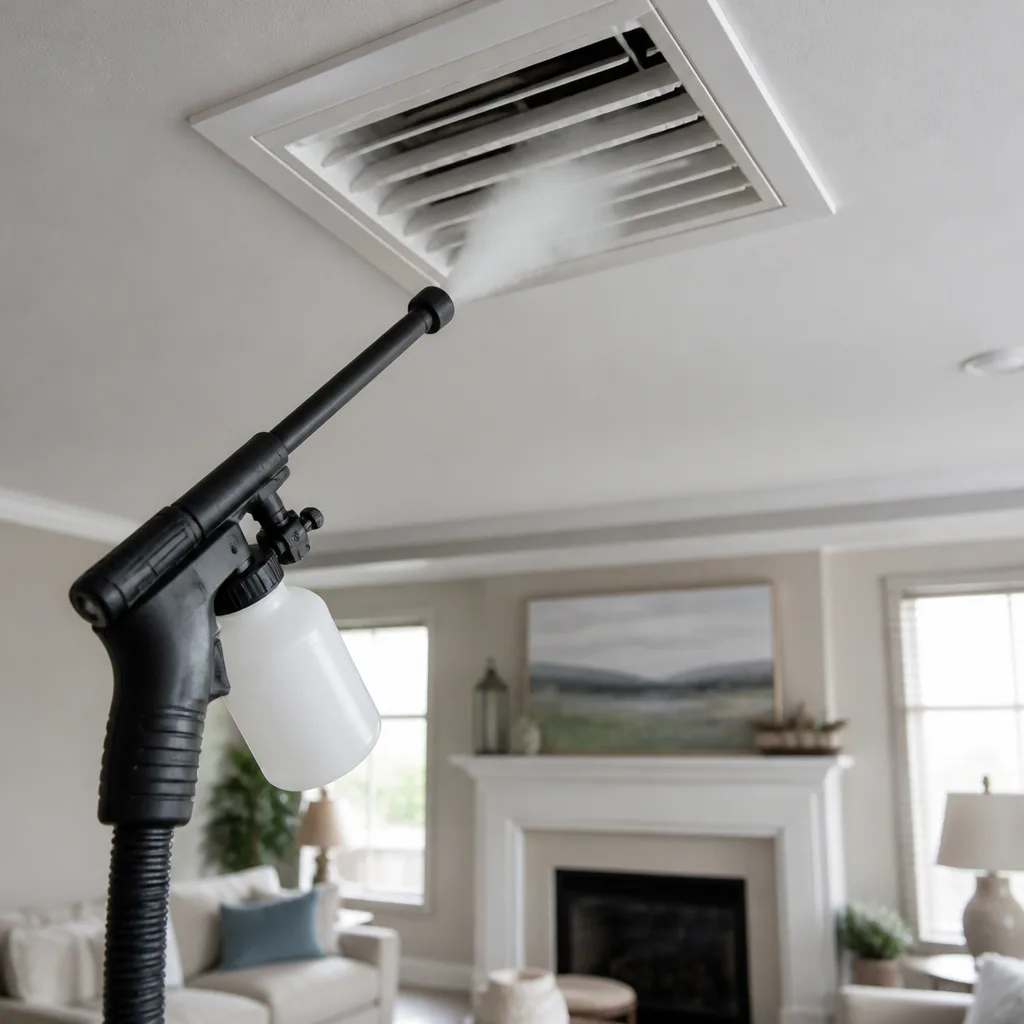 Sanitizing & deodorizing
Whole-system duct and dryer vent check with before-and-after photos - you see exactly what came out of your vents
That "$99 whole-house special" is a bait ad - the real number appears once they are in your hallway, or the "clean" is a shop-vac at the register. We photograph the inside of your ducts before and after instead.
The Complete Guide to Air Duct Cleaning in Tacoma
Most air duct guides are written as if every home sits in a dry, dusty climate. Tacoma doesn’t work that way. Here, duct systems spend the wet months pulling moisture-laden air through older metal and flex runs, then spend late summer pulling smoke from regional wildfires through the same pathways. That combination creates contamination patterns you won’t read about in a national checklist, and it changes what a real cleaning job actually involves. In this guide, we’ll walk through how Tacoma’s climate and housing stock shape duct contamination, what source removal cleaning means, when to schedule the work, what it typically costs, and what to check before you hire anyone.
Quick Answer
Air duct cleaning in Tacoma means removing built-up dust, debris, and microbial growth from the supply and return ductwork of your home’s HVAC system using professional-grade negative pressure and agitation equipment, not just vacuuming the visible vents. A complete job covers every connected run, the air handler, and often the dryer vent and crawlspace components if they’re part of the same system. Most Tacoma homes with noticeable dust, musty odors, or a recent renovation benefit from a full-source cleaning every three to five years, with inspections in between.
Styles & brands we work with
- Whole-home duct cleaning
- Dryer vent cleaning
- Camera inspection
- Sanitizing & deodorizing
Table of Contents
- Why Tacoma’s Climate Changes the Duct Cleaning Equation
- Wildfire Smoke Seasons and Particulate Load
- Older Tacoma Housing Stock and Duct Configuration
- Source Removal vs. Surface Cleaning
- What a Complete Scope of Service Looks Like
- The Equipment That Actually Works Here
- When to Schedule Air Duct Cleaning
- What Air Duct Cleaning Costs in Tacoma
Why Tacoma’s Climate Changes the Duct Cleaning Equation
Tacoma sits in a maritime climate that keeps relative humidity high across much of the year. That moisture doesn’t stay outside. Every time your HVAC system runs, air moves through the ductwork carrying water vapor with it. Where that air slows at elbows, junction boxes, and flex transitions, dust settles, and settled dust in a humid environment becomes a food source for mold and bacteria. In Phoenix or Las Vegas, the same dust layer stays largely inert. On the Puget Sound side of Washington, it doesn’t.
This is the single biggest difference between a Tacoma duct cleaning job and a generic one. The contamination you find here isn’t just accumulated lint and construction dust. It’s often biologically active material clinging to the interior walls of the duct, particularly on the return side where air is warmest and most humid. When you disturb that material without proper containment, you can aerosolize spores into the living space. That’s why negative pressure equipment and HEPA filtration aren’t optional extras here. They’re the whole point.
Another piece of the local picture: Tacoma’s mild temperatures mean HVAC systems often run for shorter, more frequent cycles than in extreme climates. That cycling pattern keeps duct surfaces near room temperature, which is exactly the range where condensation forms and where microbial growth takes hold fastest. Homes with crawlspace-mounted air handlers see this most clearly, because the handler sits in an environment that stays damp for months at a time.
When we assess a duct system here, we’re looking for evidence of that moisture cycle: rust at the seams, dark staining on flex duct interior, musty odors that get stronger when the system first kicks on. Those are the local signals worth paying attention to, and they’re what separates a Tacoma job from a checklist written for a different part of the country.
Wildfire Smoke Seasons and Particulate Load
Late summer and early fall have become smoke season across much of the Pacific Northwest, and Tacoma is squarely in that footprint. When regional fires push smoke into the area, fine particulate matter settles into HVAC systems through return vents, outdoor air intakes, and the gaps that exist in almost every duct system. Smoke particles are small enough to travel deep into the ductwork and lodge in filter media, insulation lining, and the air handler itself. Once deposited, they don’t leave on their own.
The result is a duct system that holds a smoke load long after the sky clears. Homeowners often notice this as a persistent odor or a return of stale air every time the heat or AC cycles on.
- Smoke deposits accumulate in return ductwork first, since that’s where unfiltered air enters the system
- MERV-rated filters catch some particulate, but the duct surfaces downstream of the filter still collect the fine fraction
- Flex duct with internal insulation holds smoke odor longer than smooth metal, because the textured surface traps particles
- The air handler’s blower wheel and evaporator coil are common collection points, and they’re not reachable with a household vacuum
A duct cleaning that accounts for smoke season means cleaning the entire system, not just the visible runs, and it usually means including the air handler and coil in the scope. Pairing the cleaning with a filtration upgrade is where long-term air management comes in. Products from Air Duct Cleaning Tacoma Pros and our integrated air-quality brands can bring the system up to a higher MERV rating, which changes how much smoke particulate makes it into the ductwork in the first place.
If your home is in a neighborhood like North End, Proctor, or the Lincoln District, all of which have a mix of mature tree cover and older housing, you’ll likely see a heavier organic load alongside the smoke particulate. Trees release pollen and fine debris throughout the same season, and both land in the same ductwork. A proper cleaning after smoke season handles both at once.
Older Tacoma Housing Stock and Duct Configuration
A large share of Tacoma’s residential housing was built before 1980, and the duct systems in those homes were designed for a different era. Many are rigid galvanized steel with hand-cut seams and riveted joints, often retrofitted into homes that originally had no ductwork at all. Others are the earliest generations of flex duct, which was installed with tighter bends and shorter runs than modern guidelines recommend. Both configurations present challenges that a lightweight residential vacuum can’t handle.
The reason comes down to two things: duct volume and duct access. Older systems often have larger cross-sections than modern designs, and they frequently run through unconditioned crawlspaces and wall cavities where access is limited. To create the negative pressure required to pull debris from the far end of a long return run, you need commercial-grade vacuum capacity. Consumer equipment and rental machines simply don’t move enough air volume.
There’s also the question of duct condition. In pre-1980 homes, we regularly examine duct systems with loose seam tape, disconnected takeoffs, and sections of flex that have collapsed or torn. Cleaning a system with those failure points without addressing them means the debris you remove just gets replaced by air leaking in from the crawlspace. That’s exactly why duct repair and sealing belongs in the same visit as the cleaning. Repairing what we find is part of the job, not an upsell.
Crawlspace air handlers are especially common in Tacoma homes, and they add another dimension. The handler itself sits in a damp environment, and its cabinet and connections often leak air in both directions. Repairing the cabinet and sealing the connections is often as consequential as cleaning the ducts.
Source Removal vs. Surface Cleaning
There are two broad approaches to duct cleaning, and the difference matters more in a humid climate than in a dry one. Source removal is the industry standard: it means physically dislodging and extracting the accumulated debris from every accessible interior surface of the duct system, using mechanical agitation combined with negative pressure. Surface cleaning, by contrast, addresses only what’s reachable from the register openings: the visible boot and the first foot or two of each run.
In a dry climate, the gap between the two is a matter of thoroughness. In Tacoma, it’s a matter of whether the contamination comes back. Surface cleaning leaves the biologically active material on the return-side duct walls untouched, and that material stays viable in a humid environment. It doesn’t take long for it to spread back through the system once the HVAC starts running again.
- Containment: Seal all registers and establish negative pressure at the main trunk or air handler before any agitation begins
- Agitation: Use rotary brush and air whip tools to break debris loose from every run, including the return side and the boots behind registers
- Extraction: Pull the loosened material into a HEPA-filtered collection unit at the vacuum source
- Component cleaning: Clean the air handler, blower, and coil, which sit downstream and hold their own contamination
- Verification: Photograph the duct interior before and after so the homeowner sees the actual result
- Sanitizing: Apply a sanitizing treatment to address residual microbial presence, particularly on humid-crawlspace systems
That six-step sequence is what a source removal job looks like when it’s done correctly. Anything short of it is a partial cleaning, and in a damp environment like Tacoma, a partial cleaning is a temporary fix. If you want to understand how this plays out in a slightly drier inland setting, the same principles apply across the region, which is why our guide to air duct cleaning covers the fundamentals from a local perspective.
What a Complete Scope of Service Looks Like
A residential air system isn’t just ducts. It’s a connected network that includes the air handler, the supply and return runs, the registers and boots, and often a clothes dryer vent that shares the same utility space. On crawlspace homes, it also includes the mechanical space around the handler, where dust and moisture collect together. When one part of that system is contaminated, the rest usually is too.
A complete scope typically covers all of the following:
- Air duct cleaning: All supply and return runs, boots, and registers, cleaned with source removal equipment and verified with photos
- HVAC cleaning: The air handler, blower wheel, evaporator coil, and condensate pan, all of which collect dust and moisture
- dryer vent cleaning: The full dryer exhaust run from the appliance connection to the exterior termination, which is both an efficiency issue and a fire-safety one
- Duct repair and sealing: Sealing loose seams, reconnecting disconnected runs, and repairing damaged flex so the cleaned system stays clean
- Air quality and sanitizing: A sanitizing treatment applied after cleaning to address residual microbial presence, plus recommendations for filtration
The point of covering all of it in one visit isn’t convenience for its own sake. Cleaning the ducts while leaving a contaminated air handler in place means the handler reintroduces debris as soon as the system runs. Cleaning the air handler without checking the dryer vent leaves a separate hazard unaddressed. A property manager in Tacoma handling a multi-unit building faces the same logic across individual systems. One team that can assess the whole picture and address each component in the right order is more reliable than coordinating several contractors.
If the system has an air handler in a crawlspace, which is common in older Tacoma homes, the mechanical area itself should be part of the assessment. Debris on top of the handler and moisture staining around it are the kinds of findings that tell you the system needs more than a duct cleaning.
The Equipment That Actually Works Here
Equipment is where Tacoma duct cleaning jobs diverge fast. A lightweight machine with a 2-inch hose and a shop-vac-style motor can pull dust out of an accessible run, but it can’t establish the negative pressure needed to evacuate a large, older duct system with long return runs and a crawlspace handler. On those systems, you need commercial-grade vacuum capacity and HEPA filtration, which is why we use the same platforms commercial contractors rely on: Rotobrush, Nikro, and Abatement Technologies.
Rotobrush covers the agitation and extraction side, with rotary brushes and air tools sized for residential runs and a HEPA-filtered collection unit that captures all the loosened material without releasing it into the living space. Nikro provides the high-capacity negative pressure side of the operation, which is what makes a full-system cleaning possible on longer runs. Abatement Technologies equipment brings a level of contamination control normally seen in remediation work, and it’s what we use when we’re handling a system with significant microbial growth or post-remediation concerns.
On the air quality side, we install and integrate products from Honeywell and Aprilaire. Filtration upgrades, UV treatment options, and whole-home humidification controls all come from those lines, and they let us close the loop between the cleaning and the ongoing management of indoor air. Clean ducts are only part of the job. Keeping them clean for the next few years depends on filtration and sealing, and those are the systems we should look at in the same visit.
Finally, sanitizing. The Guardsman line of products is what we use to address residual microbial presence after cleaning, particularly on humid-crawlspace systems where regrowth is more likely. That final step is what completes the job beyond what most duct cleaners ever get to.
When to Schedule Air Duct Cleaning
Most homes benefit from a full-system cleaning every three to five years, with an inspection in between if anything changes. That’s the general guideline. In Tacoma, there are specific triggers that push you to the front of the line:
- A recent remodel or construction project in the home, which introduces drywall dust and debris into every connected run
- A new-to-you home, particularly one built before 1980, where you don’t know the cleaning history
- Persistent dust on surfaces even after regular cleaning
- A musty or stale odor that gets stronger when the HVAC first kicks on
- A heavy smoke season, which leaves a particulate load in the system long after the air clears
- Visible mold or moisture staining around registers, which warrants a prompt assessment
- An HVAC service call that flags a contaminated air handler or coil
If any of those apply, an inspection is the right first step. A proper assessment confirms whether cleaning is actually needed, or whether the issue is duct leakage or a component failure that cleaning wouldn’t fix. Our technicians have up to 11 years of experience assessing systems in this climate, and they’ll tell you honestly when cleaning isn’t the answer.
What Air Duct Cleaning Costs in Tacoma
Air duct cleaning for a typical single-family home in Tacoma generally runs in the range shown below. These are honest, whole-system estimates, not per-vent pricing. The final price depends on system size, duct configuration, and how much the scope includes, and it’s set by a written estimate before any work begins.
| Service | Typical Estimated Range |
|---|---|
| Air duct cleaning, standard single-family home | Whole-system estimate, quoted per job |
| Air handler and coil cleaning (HVAC cleaning) | Added to the duct cleaning scope, quoted per job |
| Dryer vent cleaning, full run | Whole-run estimate, quoted per job |
| Duct repair and sealing | Assessed on site, quoted per job |
| Air quality and sanitizing | Quoted with the cleaning or as an add-on to the scope |
We quote one flat price per system after the assessment. That price covers the full scope we agree on, in writing, before work starts. No per-vent pricing, no surprises once the technician is in the house. If the assessment turns up duct damage or disconnected runs that change the picture, we tell you before we start and add it to the written estimate. You see before-and-after photos of your own ducts when the job is done, so you know the work actually happened.
Bait-and-switch pricing is the most common complaint in this trade. A low advertised price that turns into a much larger invoice once the technician is on site is the pattern. A written estimate that covers the whole system up front is how you avoid it. If a quote seems dramatically cheaper than the others you’ve received, ask what it actually covers. Surface-only cleaning priced low is not the same job as full source removal.
Common Mistakes to Avoid
- Hiring on price alone. The lowest quote in Tacoma is often a surface-only cleaning with a vacuum that can’t handle an older duct system. Ask what equipment the company uses and whether the price covers the air handler and all return runs.
- Not checking for duct damage before cleaning. Cleaning a duct system with disconnected runs or torn flex just fills the space with crawlspace air. Repair and sealing should be part of the assessment.
- Skipping the dryer vent. A dryer vent is a separate fire-safety concern from the HVAC ducts, and many cleaning visits leave it untouched. If you haven’t had it cleaned in the last few years, add it to the scope.
- Cleaning the ducts but not the air handler. The handler and coil hold their own contamination, and they reintroduce it into the cleaned system the first time the HVAC runs. Both should be in the scope.
- Ignoring the crawlspace. Crawlspace air handlers are common in older Tacoma homes, and the moisture in that space is a growth environment. The mechanical area around the handler needs to be part of the assessment.
- Skipping the sanitizing step. In a humid climate, cleaning alone doesn’t fully address microbial presence. A sanitizing treatment after source removal is what closes the gap.
- Not getting before-and-after photos. If a company can’t show you what your ducts looked like before and after, you don’t actually know what was done. Ask up front.
See the difference
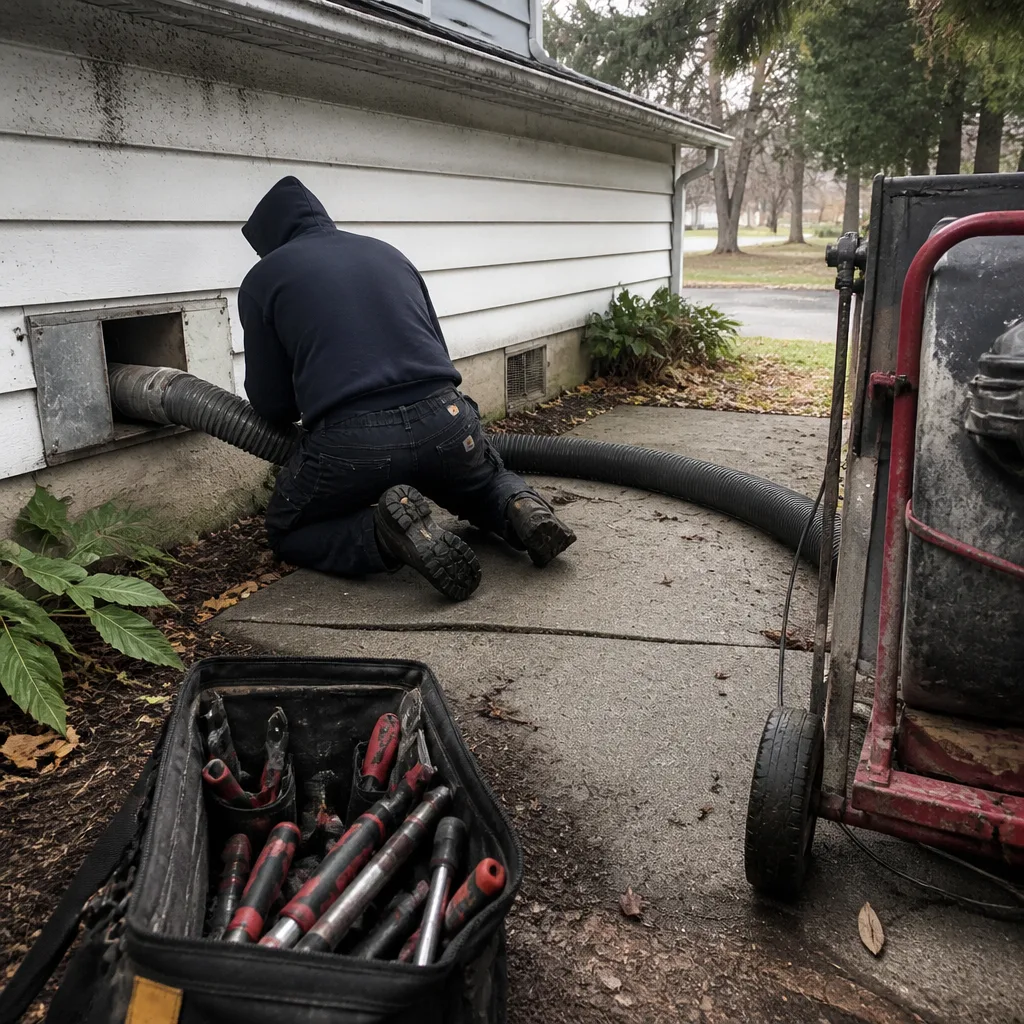 Before
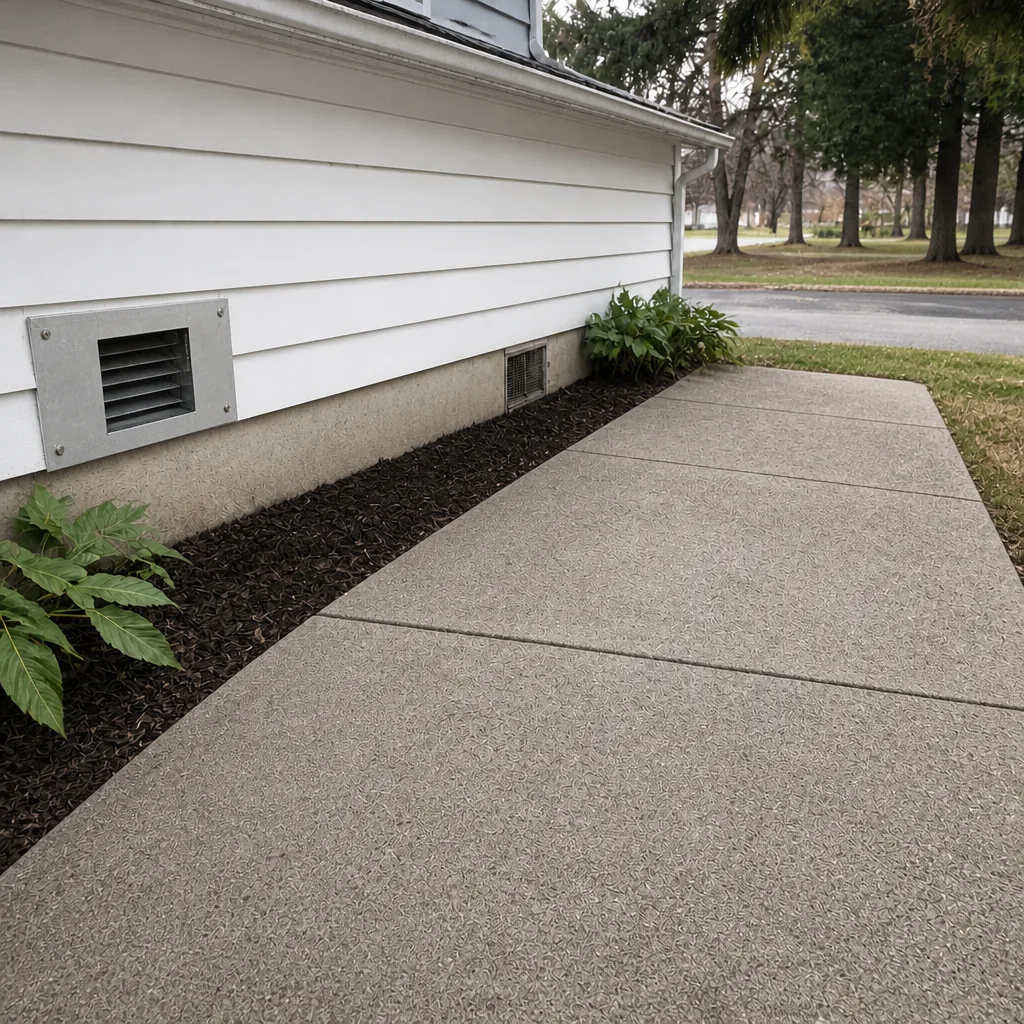 After
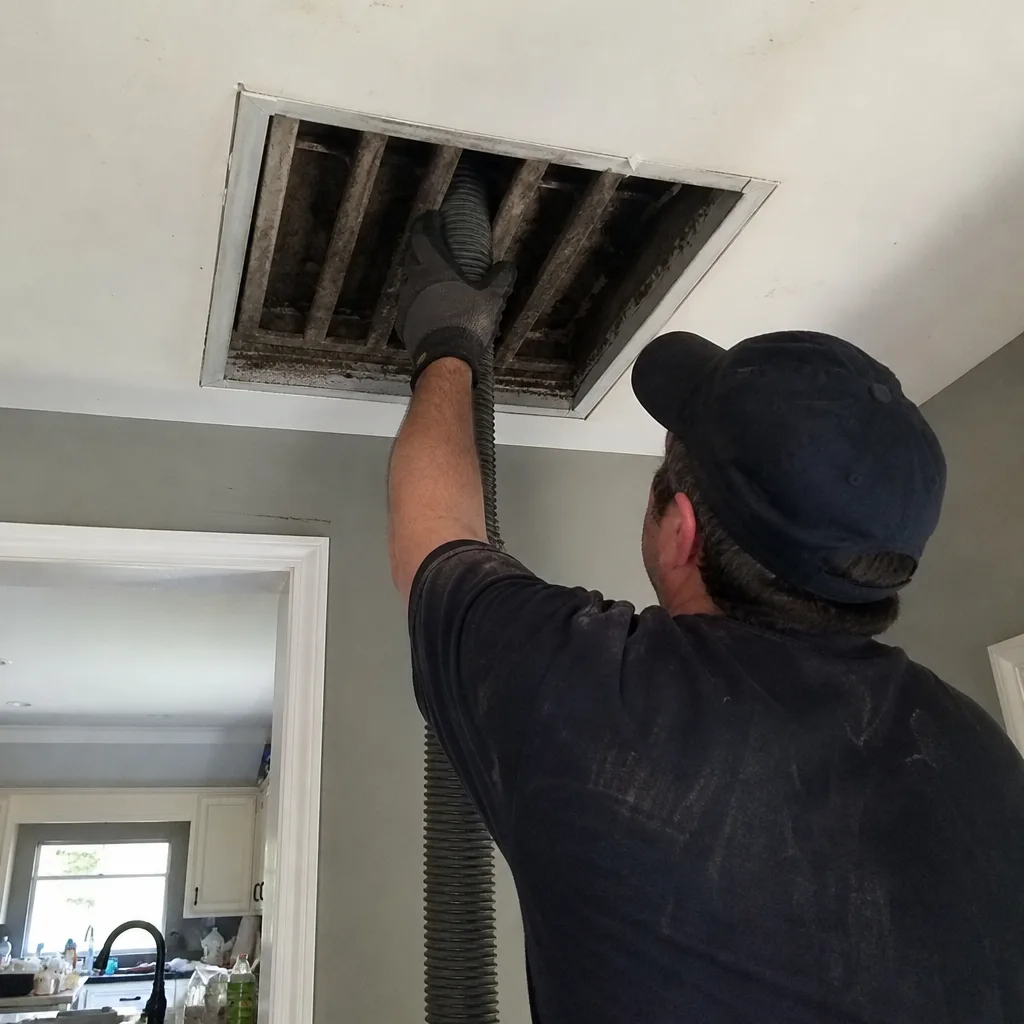 Before
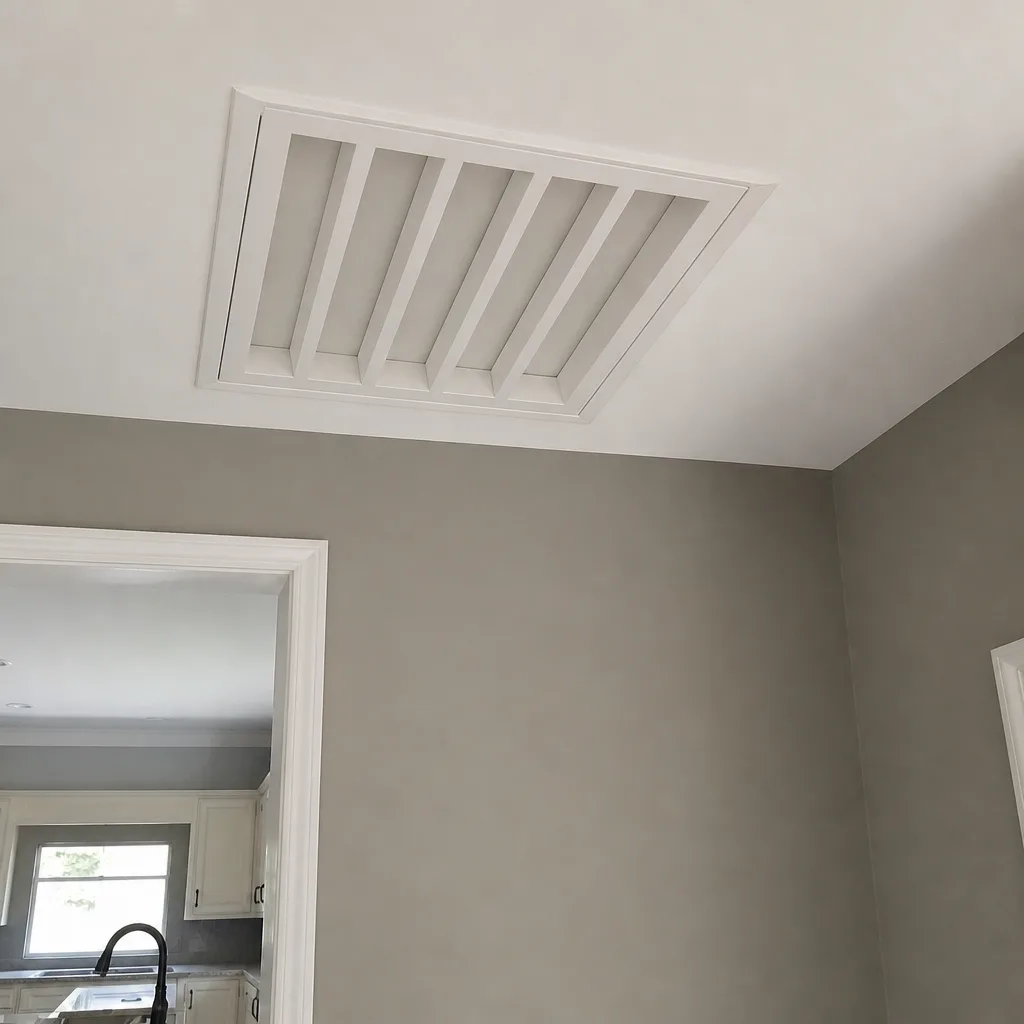 After
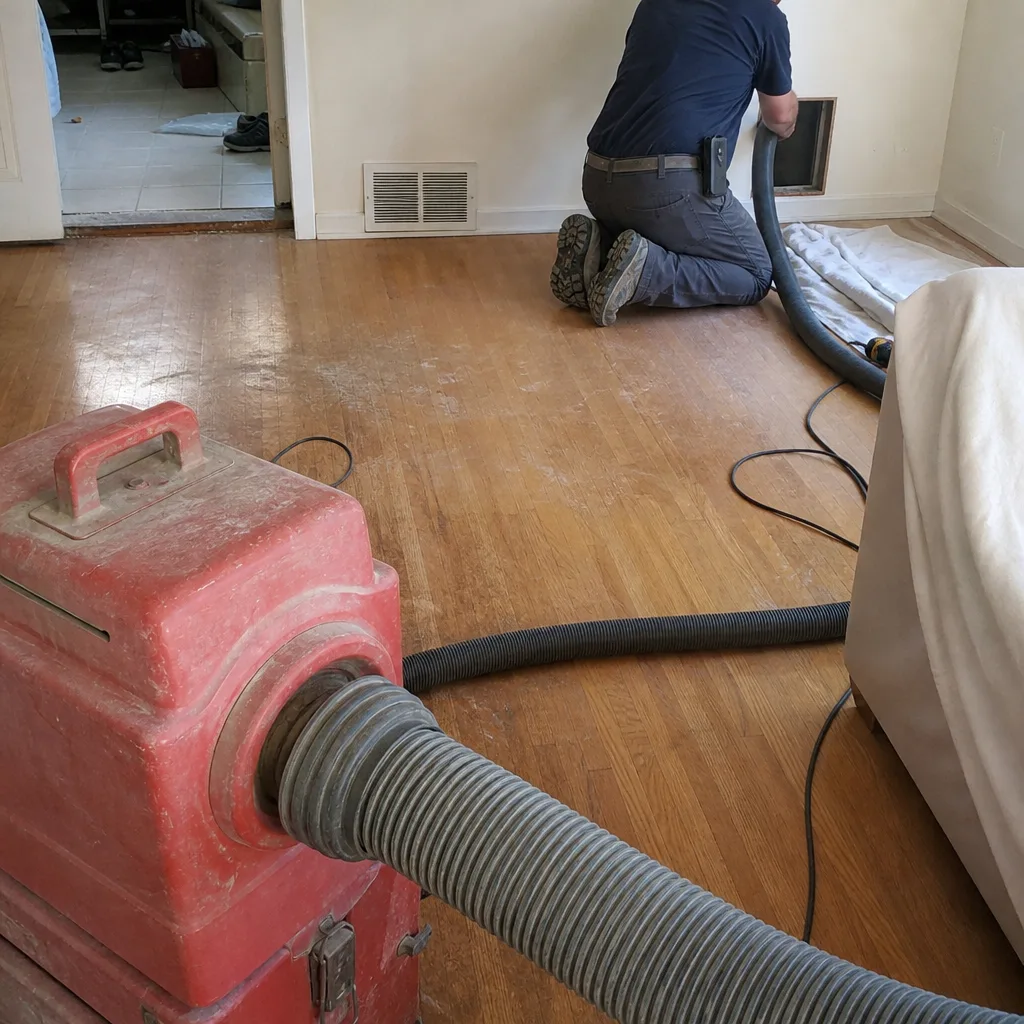 Before
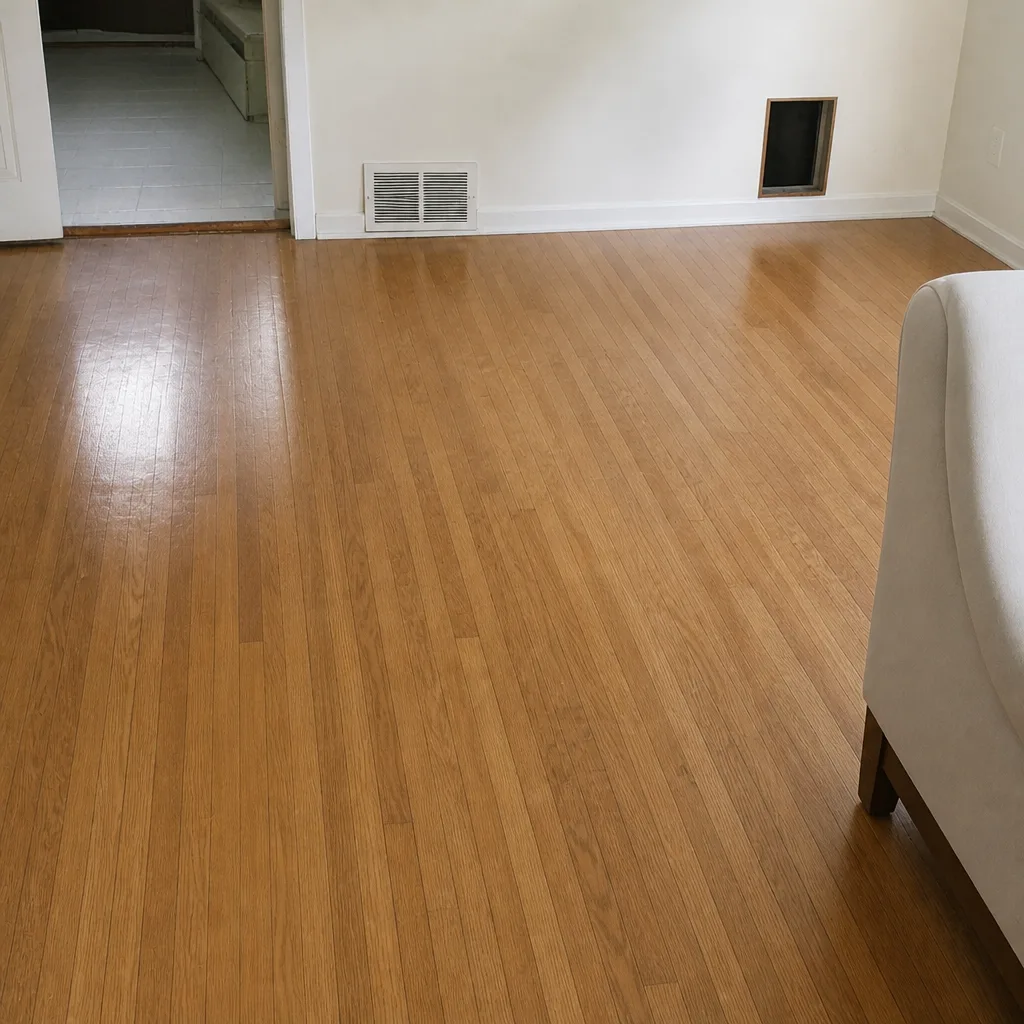 After
When to Call a Professional
Some duct problems call for a professional assessment rather than a DIY attempt. If you smell a persistent musty odor when the system runs, see visible mold or moisture staining around a register, notice dust raining down from a supply vent, or find that an HVAC service call flagged a contaminated air handler, it’s time to have the system looked at. The same is true if you’ve just finished a remodel or moved into an older home with an unknown cleaning history. And if there’s a moisture problem in a crawlspace mechanical area, that’s a whole-system assessment, not a vent-cleaning project. Air Duct Cleaning Tacoma Pros offers free estimates in Tacoma. Call (877) 792-6386 to schedule. We answer 24/7. Fast dispatch from 7am to 7pm, Sunday through Friday.
Frequently Asked Questions
Air duct cleaning in Tacoma is priced per system by written estimate after an assessment, not per vent. The estimate covers the full agreed scope, including air handler cleaning if it’s part of the job, and it’s the final price unless the assessment turns up additional damage. Call (877) 792-6386 for an exact quote. Estimates are free.
Cheap quotes usually reflect surface-only cleaning with lightweight equipment that can’t handle a full system, or a scope that leaves out the air handler and return runs. On older Tacoma duct systems, that often means the contamination stays in place. A written estimate that covers the whole system is the only way to compare quotes fairly. Call (877) 792-6386 for an estimate that spells out exactly what’s included.
Ask for before-and-after photos of your own ducts, not sample images from a catalog. A legitimate source removal job is documented at every stage: containment, agitation, extraction, and verification. We photograph the duct interior at each stage and share the results with you before we pack up. Call (877) 792-6386 to book an assessment.
Most homes do well with a full cleaning every three to five years, but Tacoma’s climate and smoke seasons can shorten that interval. Homes with crawlspace air handlers, recent renovations, or heavy smoke exposure often benefit from an inspection sooner. Call (877) 792-6386 and we’ll assess your system and give you an honest recommendation.
Cleaning removes the accumulated dust, dander, and microbial material that circulate every time the HVAC runs, and that’s a meaningful step for indoor air quality. It works best when combined with filtration upgrades, duct sealing, and a sanitizing treatment, all of which are part of a complete scope. Call (877) 792-6386 to discuss what makes sense for your home.
Yes. Most homes benefit from having both done together, since the dryer vent is a separate safety concern and the two systems often share the same utility space. We assess both before quoting. Call (877) 792-6386 to schedule a combined assessment.
The Bottom Line
Tacoma’s duct systems deal with things that generic cleaning guides miss: year-round humidity that keeps debris biologically active, smoke seasons that load the return side with fine particulate, and older housing stock with duct configurations that require commercial-grade equipment to clean properly. Source removal cleaning, air handler cleaning, duct repair and sealing, and a sanitizing step are the four pieces that matter most here, and they should be quoted as one written scope before any work starts. Air Duct Cleaning Tacoma Pros handles all five service categories under one roof, using the same equipment commercial contractors trust. Call (877) 792-6386 for a free estimate. We answer 24/7. Fast dispatch from 7am to 7pm, Sunday through Friday.
Written by the team at Air Duct Cleaning Tacoma Pros.