
Last updated November 23, 2026
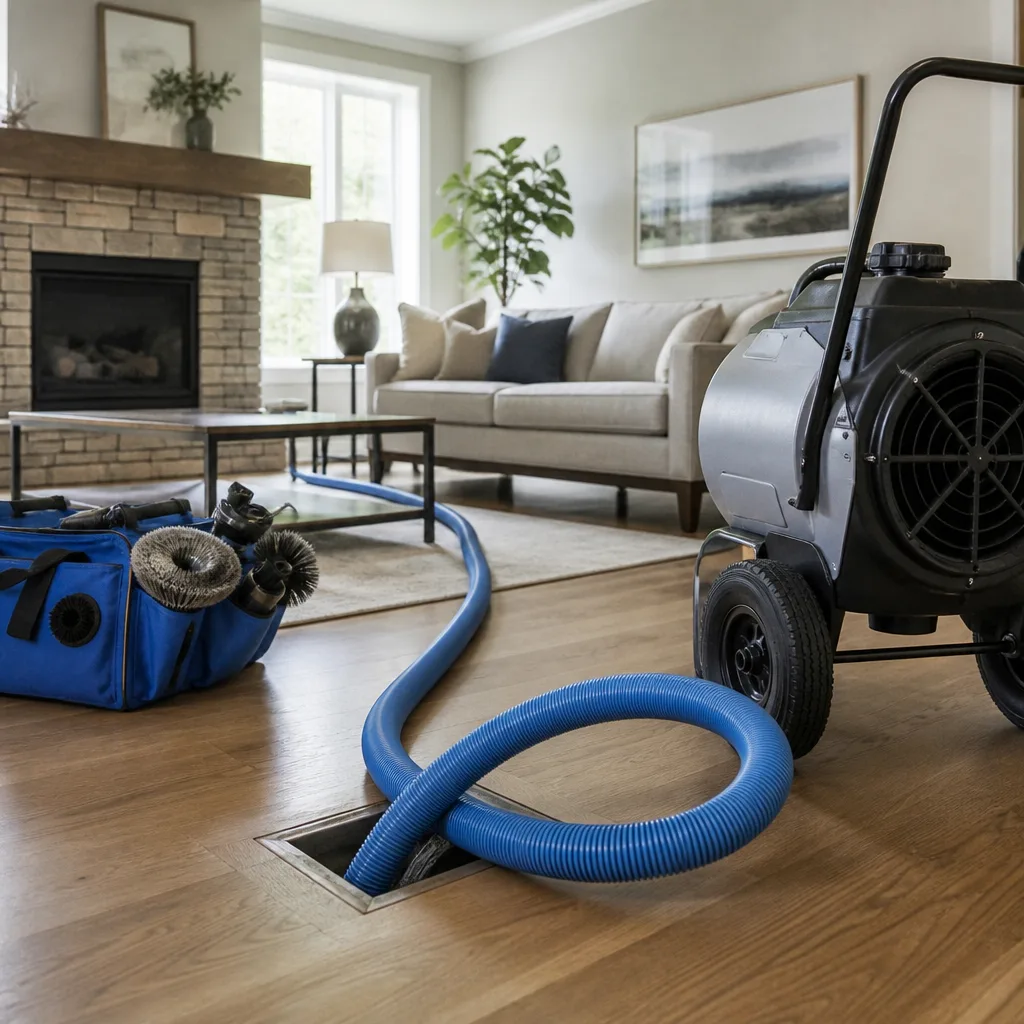 Whole-home duct cleaning
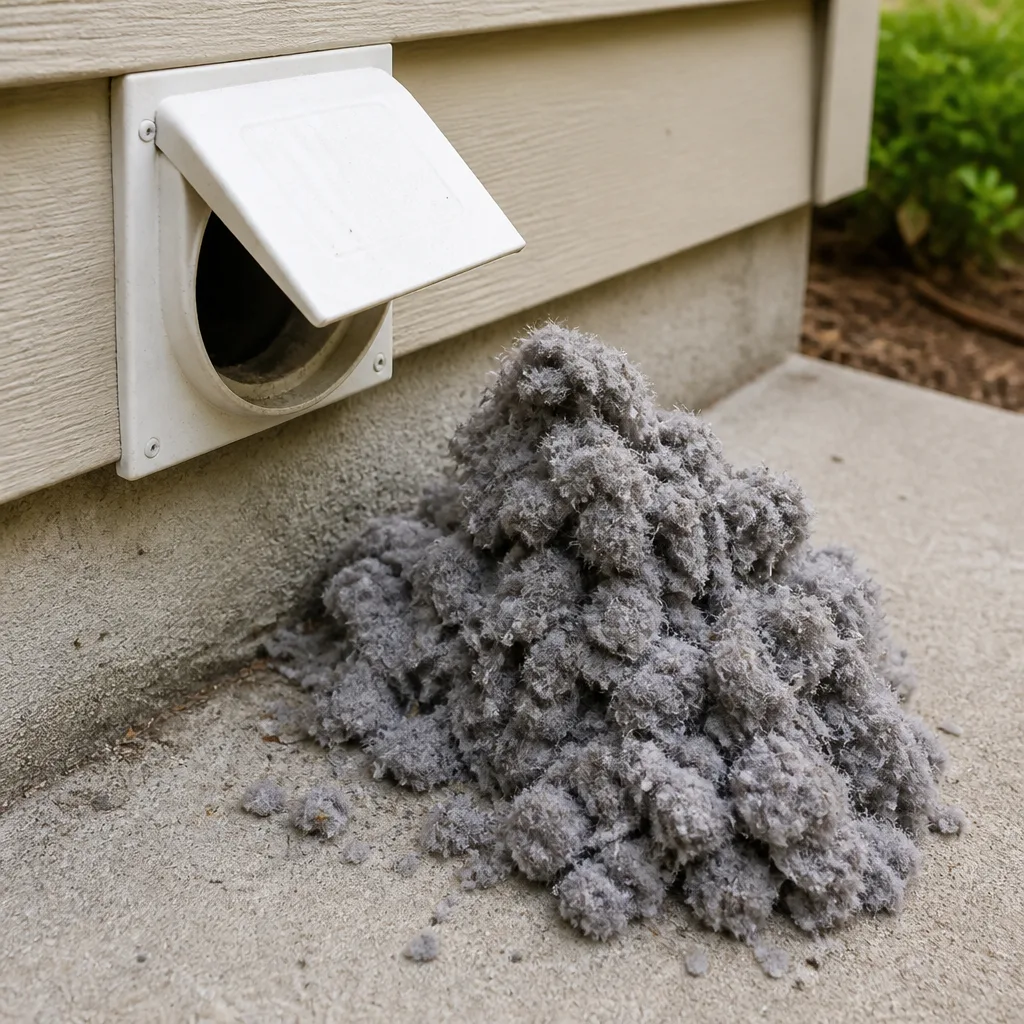 Dryer vent cleaning
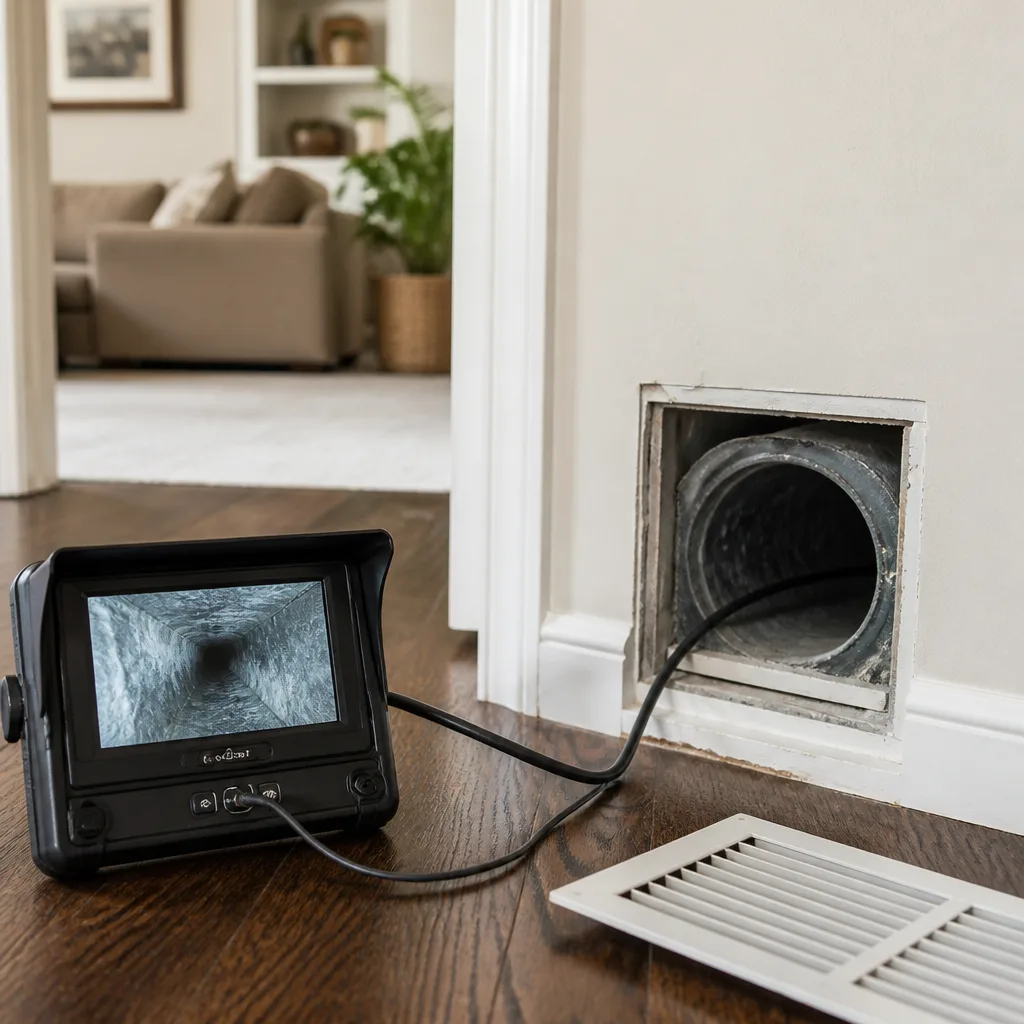 Camera inspection
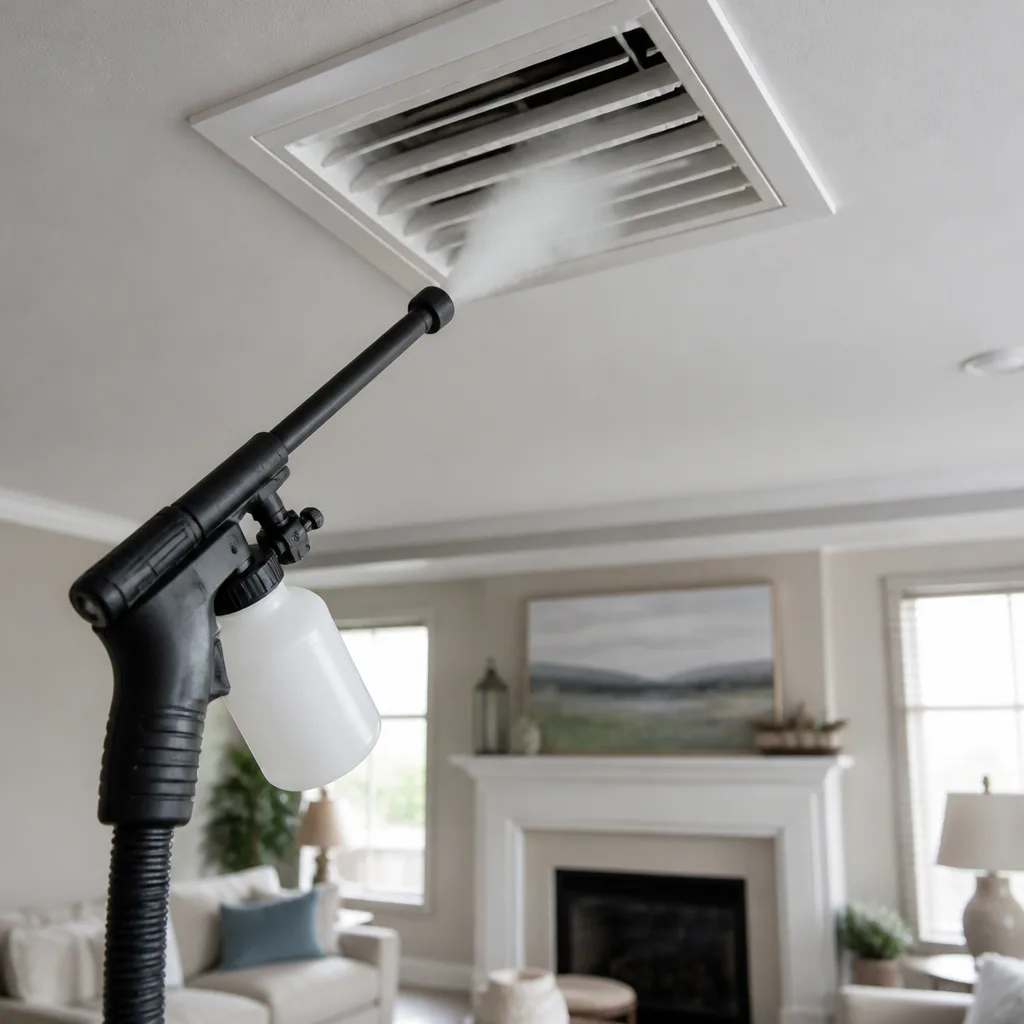 Sanitizing & deodorizing
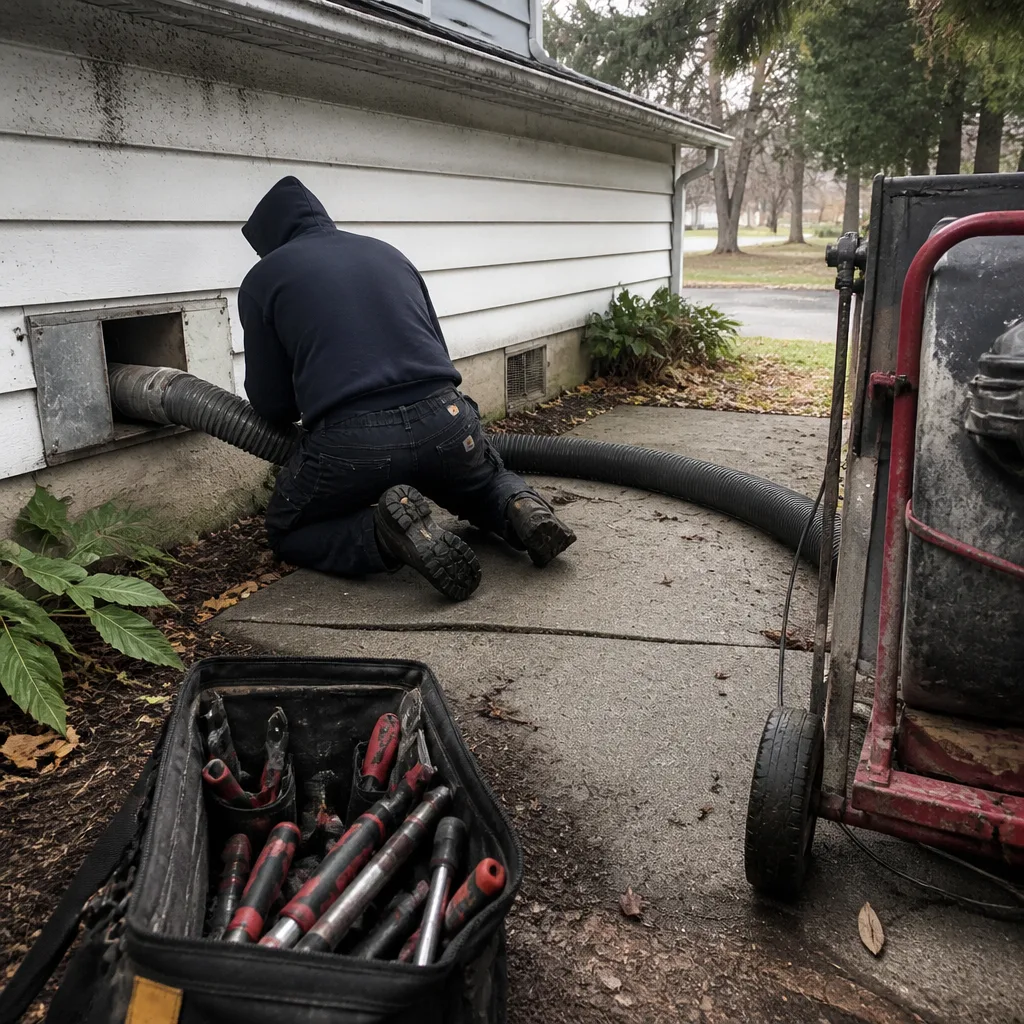
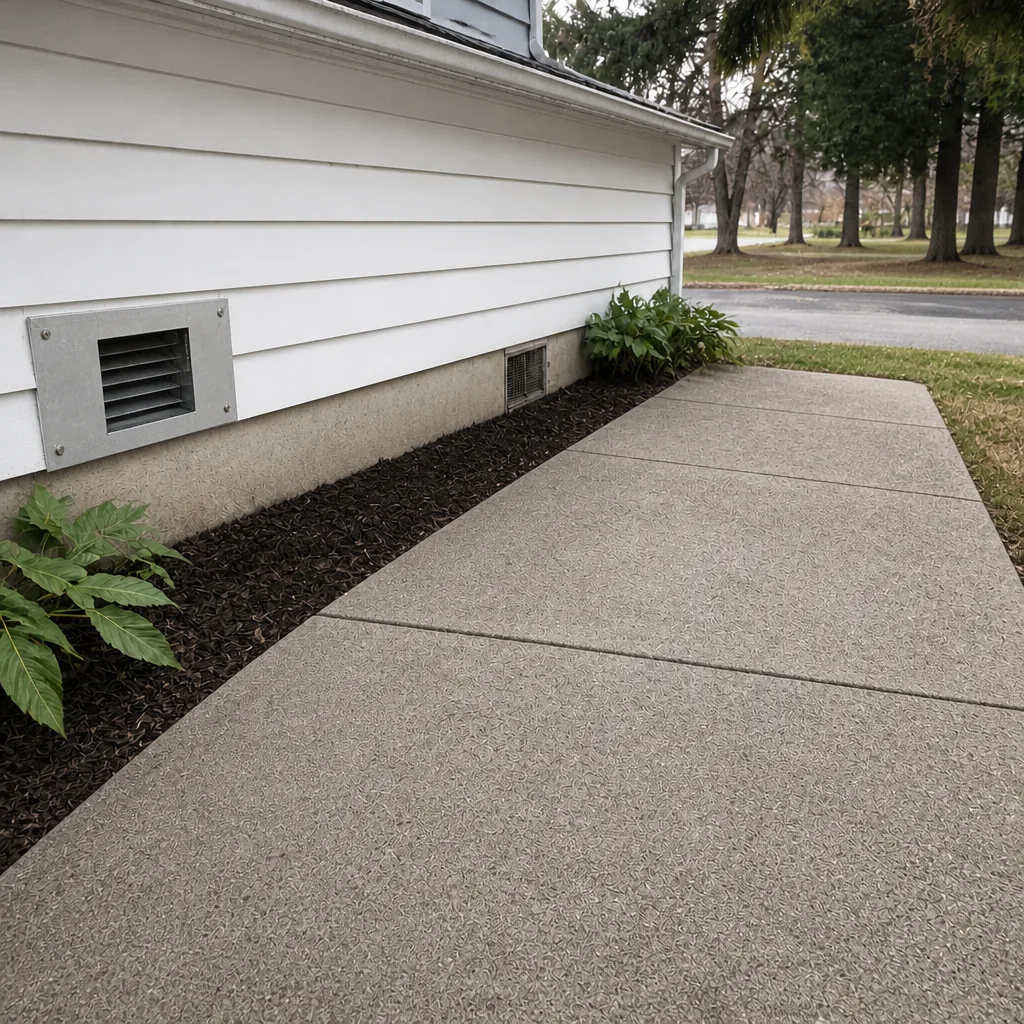
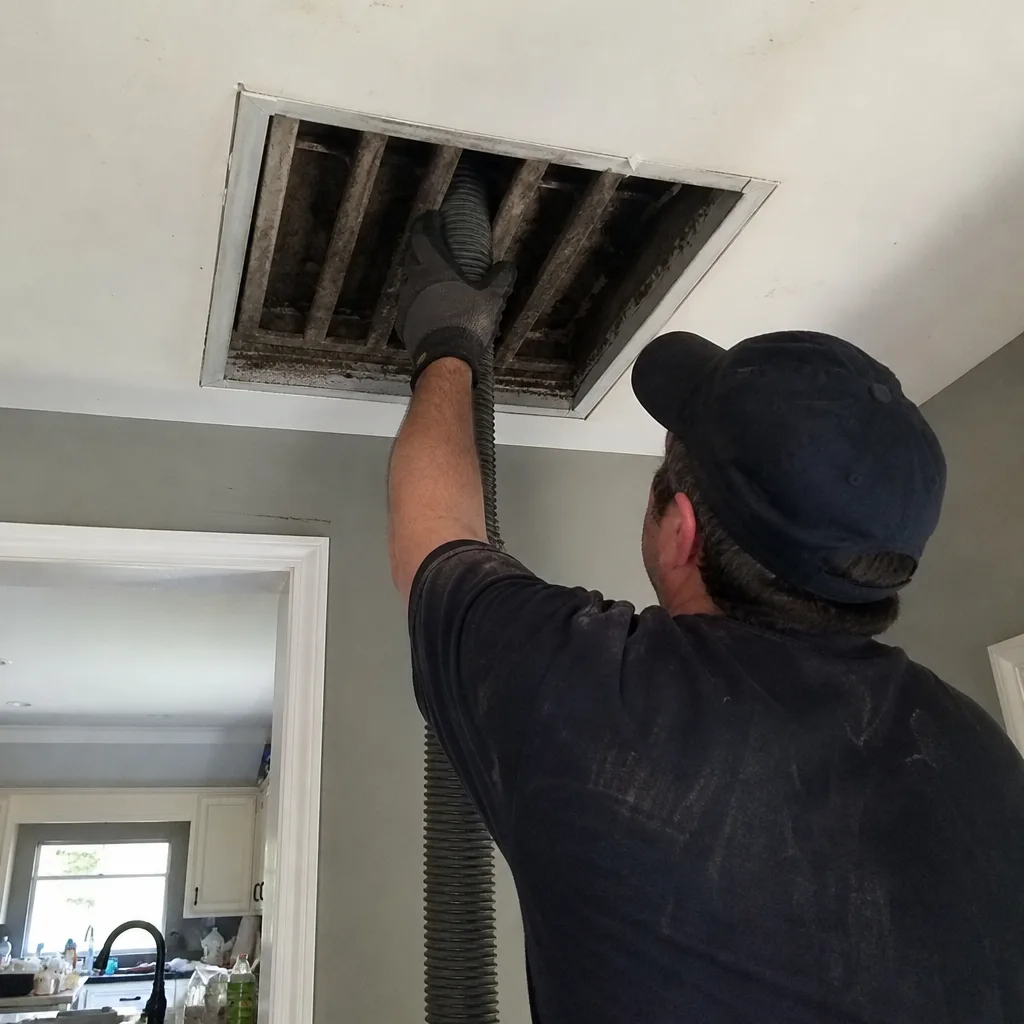
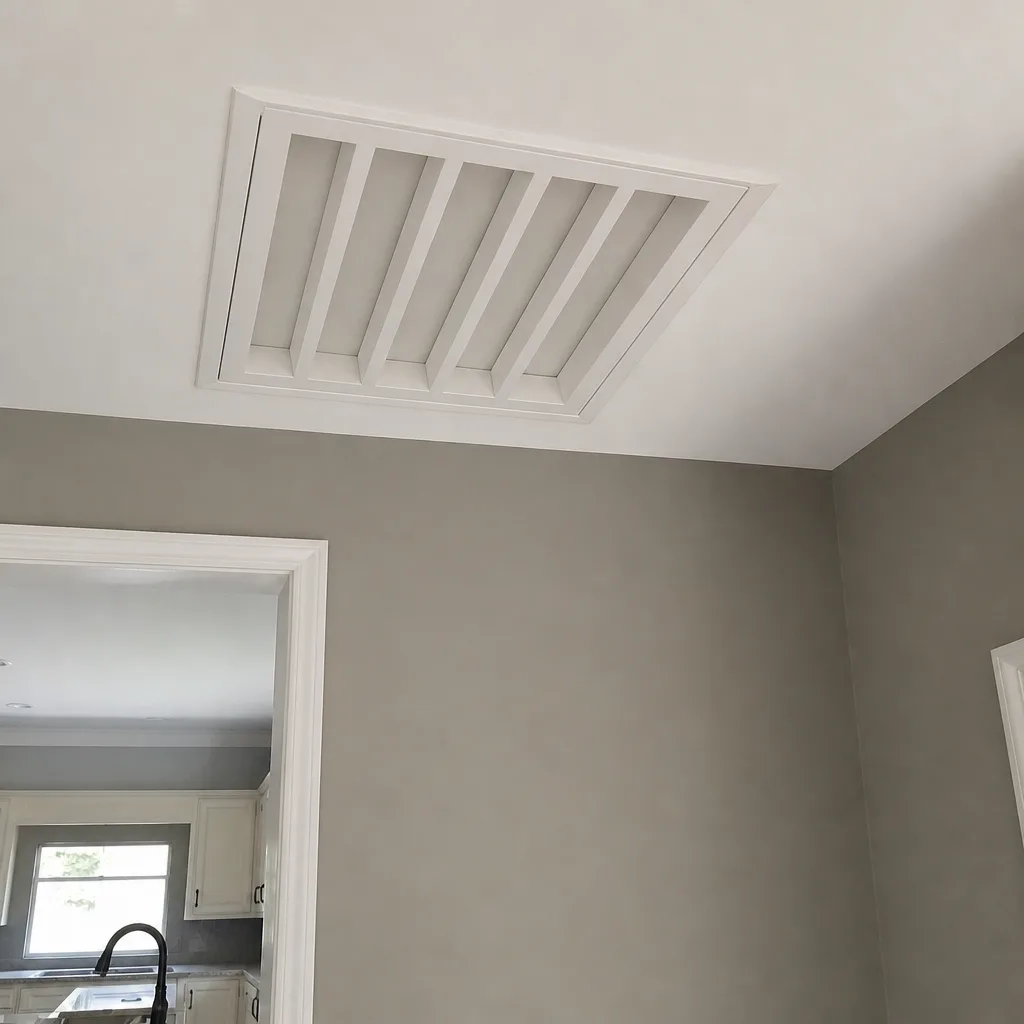
Whole-system duct and dryer vent check with before-and-after photos - you see exactly what came out of your vents
That "$99 whole-house special" is a bait ad - the real number appears once they are in your hallway, or the "clean" is a shop-vac at the register. We photograph the inside of your ducts before and after instead.
Choosing the Right Air Duct Cleaning Brand: A Buyer’s Guide for Tacoma
Most homeowners in Tacoma start their search by asking who the best air duct cleaning brand is. That’s the wrong first question. There’s no nationally famous name in this trade the way there is in, say, fast food or car insurance, so what you’re actually choosing between is three different kinds of operation: a full-scope indoor air quality contractor, a solo operator, and a franchise with a familiar logo and uneven local execution. Those aren’t equivalent in equipment, capability, or outcome. The real question is simpler and harder to answer: what does the operation you’re hiring actually have in the truck, and what happens when the job turns out to be more than a quick vacuum? This guide walks you through how to tell them apart in Tacoma.
Quick Answer
The right air duct cleaning brand in Tacoma is the one that arrives with professional-grade HEPA-filtered equipment, inspects your system before quoting, and can repair or seal what it finds rather than only cleaning around it. Understanding whether you’re hiring a full-scope indoor air quality operation or a single-service van tells you more about the outcome than any logo does. Look at the equipment, the service range, the documentation, and what they do when the job gets complicated.
Styles & brands we work with
- Whole-home duct cleaning
- Dryer vent cleaning
- Camera inspection
- Sanitizing & deodorizing
Table of Contents
- Full-Scope Operation vs. Single-Service Van: What’s the Difference?
- Local Tacoma Company vs. National Franchise
- How to Read the Equipment: Professional-Grade Indicators
- Reputation Signals That Actually Matter in Tacoma
- Why One Full-Suite Team Beats Coordinating Multiple Vendors
- Questions to Ask Before You Book Anyone
- What a Proper Pre-Cleaning Inspection Looks Like
- Documentation and Before/After Proof
Full-Scope Operation vs. Single-Service Van: What’s the Difference?
A single-service van cleans ducts and leaves. A full-scope indoor air quality operation cleans, inspects, repairs, seals, sanitizes, and can tell you why your system is underperforming. That difference shows up the moment the job gets interesting, which is more often than most homeowners expect.
Think about what happens when the technician pulls a register and finds a disconnected flex run behind the drywall, a crushed trunk line under the floor, or a coil caked in debris so thick that cleaning the ducts alone won’t fix the airflow. A single-service operator has a vacuum and a brush. They’ll clean what they can reach, hand you a bill, and suggest you call someone else about the repair. Now you’re coordinating two contractors, two schedules, and two sets of explanations about what’s wrong.
A full-scope operation handles all of it in one visit. That’s why we’ve built our service around five categories that work together:
- air duct cleaning with HEPA-filtered collection
- dryer vent cleaning to clear lint and reduce fire risk
- HVAC cleaning covering coils, blowers, and cabinet interiors
- Duct repair and sealing for disconnected, crushed, or leaky runs
- Air quality and sanitizing to address what’s left behind after cleaning
In Tacoma’s older housing stock, particularly the Craftsman-era homes around North End and the Stadium District, we regularly find ductwork that’s been patched, extended, and rerouted over decades. A clean-and-go operator can’t do much with that. A full-scope operation can map it, repair it, and seal it so the system actually delivers the air it’s supposed to.
One call covering your entire air system is not a marketing line. It’s what keeps you from being the middleman between two contractors who each think the other should have caught the problem.
Local Tacoma Company vs. National Franchise
National franchises sell consistency: same logo, same process, same script in every market. The catch is that the franchise model only delivers consistency if the local owner executes. In Tacoma, the person who shows up at your door is a locally owned and operated franchisee, not a corporate employee. The brand promise and the actual experience can drift.
Here’s how the two models compare on the things that matter when you’re hiring a contractor:
- Accountability: A local operation’s reputation lives or dies in Tacoma. If they do poor work, word travels through the same HVAC contractors, property managers, and neighborhood networks they depend on. A franchisee has a national brand to hide behind and a corporate marketing machine that generates leads regardless of local reviews.
- Equipment decisions: Local operators choose their own equipment. Franchisees often buy from a corporate-approved vendor list, which isn’t always the highest grade available. Ask specifically what brand of equipment they use and why.
- Who actually shows up: With a local operation, you can usually find out before booking. With a franchise, you may get a subcontractor or a new hire working from a script.
- Referral relationships: Local companies tend to have working relationships with Tacoma HVAC contractors, realtors, and property managers. Those relationships are built on results, not on corporate ad spend.
- Pricing transparency: Local operators are more likely to give you a straight whole-system quote. Franchise pricing frequently runs through a national call center and a tiered menu.
None of this means every local operator is good. Plenty of solo vans are just as unreliable as a poorly run franchise. The point is to evaluate the operation on its merits, not on its logo. Ask who you’re actually hiring, what equipment they run, and whether they can handle the repair if they find one. The answers tell you more than brand recognition ever will.
How to Read the Equipment: Professional-Grade Indicators
Air duct cleaning has a low barrier to entry. Anyone can buy a shop vacuum, a brush, and a ladder and call themselves a duct cleaner. That’s why equipment is the single most reliable indicator of whether you’re hiring a professional operation or a hobbyist with a business card.
Here’s what separates professional-grade systems from consumer-grade and rental equipment:
- HEPA-filtered collection. Professional systems capture the debris they dislodge. Consumer vacuums and shop vacs blow fine particulate back into the air and back into your home. If the equipment doesn’t have a HEPA filter, the cleaning is partly cosmetic.
- Negative-pressure containment. The best systems pull the ductwork into negative pressure so debris travels into the collection unit, not into your living room. This is standard in commercial remediation and should be standard in your home too.
- Rotary brush and air whip systems. Rotobrush is the industry standard for residential duct cleaning, and Nikro equipment is common in professional HVAC cleaning. Both are designed for the job; neither is available at a rental counter.
- Video inspection capability. A camera small enough to travel inside the ductwork lets the technician see what’s there before and after. That’s how you know the work was actually done.
- Commercial-grade sanitizing equipment. Abatement Technologies equipment is what commercial remediation contractors use to control contamination. Seeing that brand on a residential job is a signal the operator is serious about air quality, not just debris removal.
In our experience, the question to ask on the phone is simple: “What brand of equipment do you run, and do you have HEPA filtration?” An operator who can answer that in one sentence knows their equipment. One who can’t is guessing.
Equipment also connects to the products that finish the job. Honeywell and Aprilaire filtration and humidification systems are industry-standard names for a reason, and Guardsman products are used for post-service protection and sanitizing. When a company carries and installs these brands, it signals that cleaning isn’t the end of the relationship; managing your air quality over time is.
Reputation Signals That Actually Matter in Tacoma
Reviews matter, but not in the way most homeowners use them. A five-star average from a dozen reviews tells you far less than a smaller set of detailed reviews that describe the actual work. In a local market like Tacoma, the quality of the reviews matters more than the quantity, and the context matters more than the star count.
Here’s what to look for:
- Reviews that mention specifics. “Great job, very professional” is a script. “They found a disconnected duct behind the register and repaired it while they were there” is a real experience. Read for the details.
- Reviews that mention documentation. If multiple reviewers mention before-and-after photos, that’s a sign the company documents its work as a matter of practice, not as a photo-op for one happy customer.
- Referral relationships. In Tacoma, HVAC contractors talk to each other. If a duct cleaning company is regularly referred by local HVAC technicians, that’s a strong signal, because HVAC techs see the aftermath of bad duct work all the time.
- Property manager reviews. Property managers in Tacoma, particularly around the rental-heavy neighborhoods near the universities and downtown, hire on results. If they keep coming back, the work is holding up.
- Response to criticism. Every company gets a bad review eventually. How they respond tells you whether they stand behind their work.
What doesn’t matter: the number of reviews scaled by a national marketing budget, the star average rounded up by review software, or a badge on a website that says “top rated” without a source.
Why One Full-Suite Team Beats Coordinating Multiple Vendors
Air quality isn’t a single-service problem. Ducts, coils, blowers, dryer vents, and filtration all interact. Debris in the ductwork ends up on the coil. A clogged dryer vent creates a separate fire risk that a duct cleaning doesn’t touch. A leaky duct run undercuts the efficiency of a system that’s otherwise in great shape. Hiring three separate vendors for three separate jobs means each one is working blind to the others.
A full-suite team sees the whole system in one pass:
- Duct cleaning removes accumulated debris from the supply and return runs.
- HVAC cleaning covers the coil, blower, and cabinet, which is where recirculated air picks up odor and particulate.
- Dryer vent cleaning handles a separate but related fire-risk issue that most duct cleaners don’t touch.
- Duct repair and sealing fixes the leaky or disconnected runs that waste energy and bypass filtration.
- Air quality and sanitizing addresses what’s left after cleaning, and Honeywell and Aprilaire products can manage humidity and filtration over the long term.
We repair what we find, which is the thing that separates us from cleaning-only competitors. In Tacoma, where a lot of homes are older and ductwork has been modified over time, that repair capability isn’t a nice-to-have. It’s the difference between a cleaning that lasts and one that gets undone by the same leaky duct in six months.
If you want the full picture of what Air Duct Cleaning Tacoma Pros does and how the services fit together, that’s the best place to start.
Questions to Ask Before You Book Anyone
You can learn almost everything you need to know about a duct cleaning company by asking six questions on the phone. The answers are more revealing than any website. Here’s what to ask, and what a good answer sounds like:
- “What equipment do you use, and does it have HEPA filtration?” A professional operator names their equipment brand and confirms HEPA. A vague answer (“we use the best equipment”) is a red flag.
- “Do you inspect before you quote, or is the price fixed over the phone?” A proper quote comes after an inspection. A price quoted blind over the phone is a teaser; the real number is set on-site.
- “Are you going to show me before-and-after photos of my own ducts?” Good operations document their work as a matter of course.
- “What happens if you find a disconnected or damaged duct?” A full-scope operator says they can repair it. A single-service van says you’ll need another contractor.
- “Do you handle HVAC cleaning and dryer vent cleaning too, or just ducts?” If you’re hiring the full suite, one team is easier and more thorough than two or three.
- “Is the estimate free?” The answer should be yes. A written estimate sets the price, and it should be in your hands before work begins.
We answer all six of these on every estimate call, and we’d rather you ask than guess. The HVAC cleaning piece often gets left out of a duct cleaning conversation even though it’s where a lot of the real air quality problem lives.
What a Proper Pre-Cleaning Inspection Looks Like
An air duct cleaning estimate without an inspection is a guess dressed up as a price. The inspection is where the real work of the quote happens, and skipping it is a hallmark of the bait-and-switch model that plagues this trade.
A proper inspection covers these steps:
- Walkthrough of the system. The technician identifies the supply and return layout, the number of registers, the type of ductwork (rigid sheet metal, flex, or a mix), and the age of the system.
- Register and vent check. Each register is opened enough to see whether the run is connected, clear, and intact. Crushed flex behind drywall and disconnected runs are common in older Tacoma homes.
- HVAC cabinet and coil inspection. The air handler cabinet and coil are where recirculated air picks up debris. A duct cleaning that skips the coil is only half the job.
- Video inspection where warranted. A camera inside the ductwork reveals debris depth, moisture, mold, and pest activity that a visual check at the register can’t show.
- Written estimate. The technician walks you through what was found, what the cleaning covers, and what the written estimate includes. You agree to it before any work starts.
This is also where you’ll learn whether the operation runs on professional-grade equipment. The technician’s truck is the honest version of what the website says. A HEPA vacuum with a negative-pressure containment setup, a rotary brush system, and a video inspection tool tell you the job is going to be done properly. A shop vac and a hand brush tell you something else.
Documentation and Before/After Proof
How do you know the work was actually done? Before-and-after photos of your own ducts, taken by the technician, are the answer. A cleaning without documentation is a promise, and a promise is worth what you paid for it.
Look for these documentation practices:
- Photos of your own system. Not stock images, not pictures of someone else’s ducts, but the register, the coil, and the trunk line in your house, before and after.
- Written scope in the estimate. The estimate should list what’s being cleaned, what’s being repaired, and what’s excluded. A one-line “air duct cleaning” quote leaves too much open.
- Notes on what was found. A disconnected run, a clogged dryer vent, a coil that needs replacement instead of cleaning, and other findings should be documented, not just mentioned in passing.
- Photos of repairs. If a duct is sealed or repaired, you should see the work in photos, not just hear about it.
We take before-and-after photos of every job we run, and we share them with the homeowner as part of the completion walk-through. It’s the most direct answer to the question every homeowner should be asking: how do I know this was done?
See the difference
 Before
 After
 Before
 After
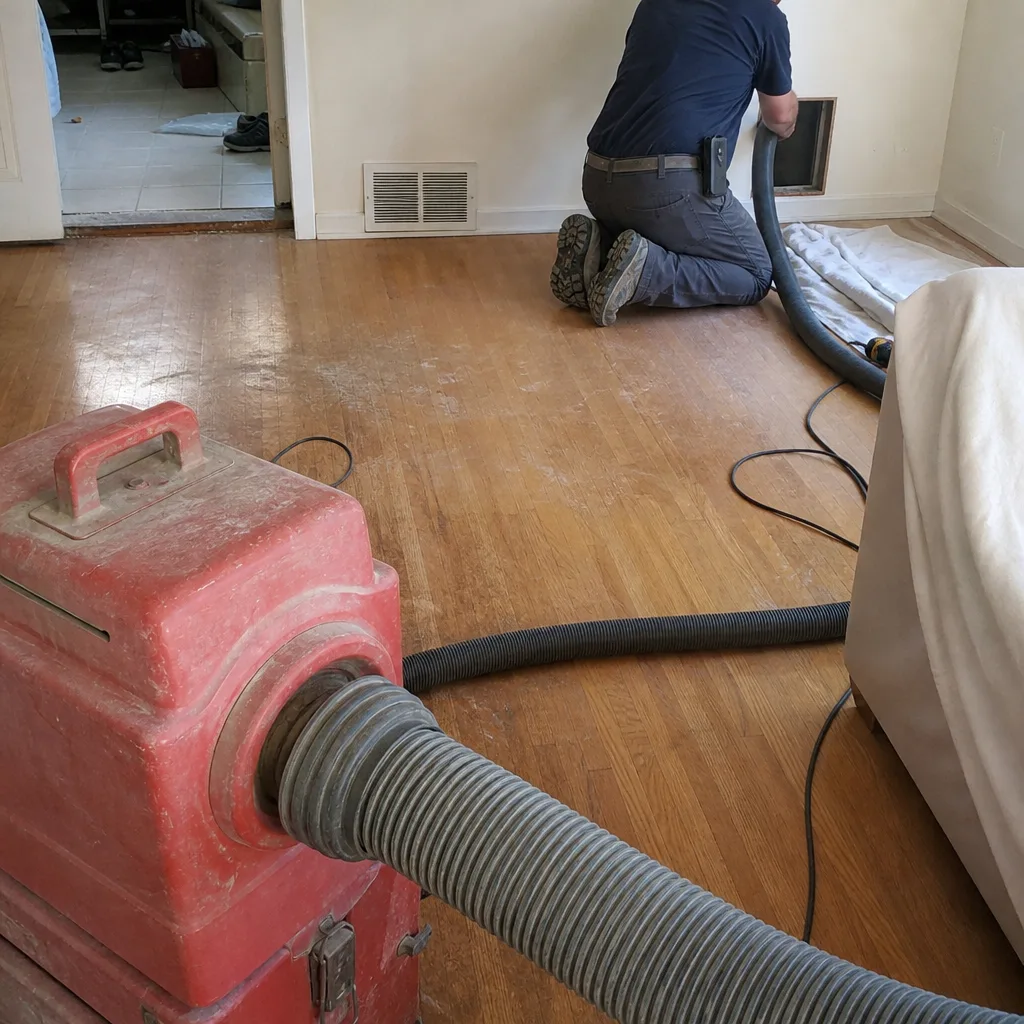 Before
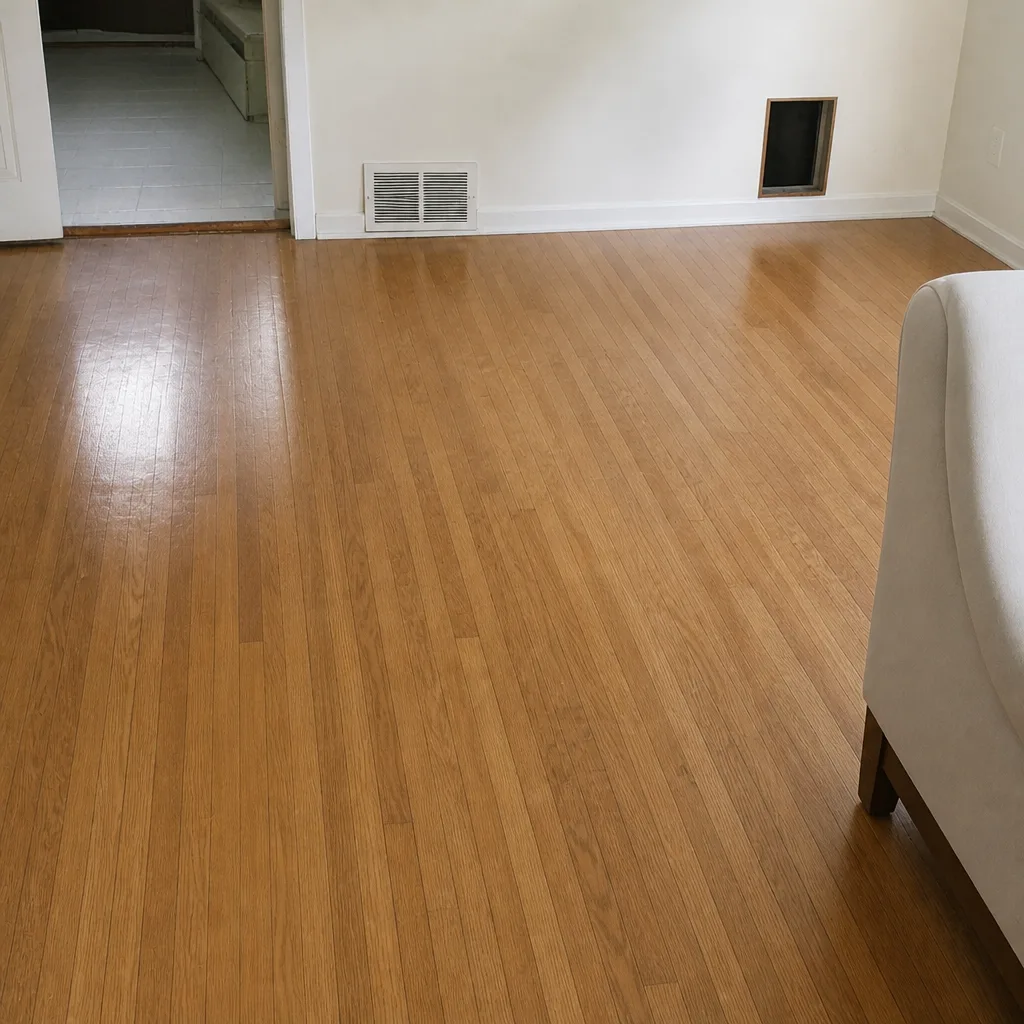 After
Common Mistakes to Avoid
- Hiring on a coupon price. A low teaser price on a coupon site is designed to get a truck to your door. The real cost often turns up once the technician is inside and “discovers” problems. Ask for a written estimate before work begins.
- Booking a duct cleaning without an inspection. A price quoted over the phone with no inspection is a number, not an estimate. Insist on an inspection, and get the scope in writing.
- Skipping the HVAC coil and cabinet. Cleaning the ducts while leaving a debris-coated coil in place leaves the main source of recirculated particulate untouched. The system needs the whole picture, not just the ducts.
- Assuming the logo means the crew. National franchise names get franchised locally for a reason. Ask who’s coming to your house, what equipment they’ll have, and whether the local owner stands behind the work.
- Not asking about repair capability. In older Tacoma neighborhoods, ductwork is often patched and rerouted. If the operator can’t repair what they find, you’ll be hiring someone else before the year is out.
- Ignoring the dryer vent. A dryer vent full of lint is a separate fire risk that a duct cleaning doesn’t address. Book it separately or as part of the same visit.
- Accepting a cleaning without documentation. “We can take photos if you want” is weaker than “we take photos on every job.” Before-and-after documentation should be standard, not a special request.
When to Call a Professional
Some air quality problems are obvious. Others build quietly. Call a professional if you’re seeing visible dust puffing out of registers when the system kicks on, if anyone in the home has allergies or asthma that seem worse indoors than out, if you’ve recently finished a renovation that generated drywall dust, if you notice a musty smell when the HVAC runs, or if your energy bills have climbed without an obvious reason. In a Tacoma home with original or partially modified ductwork, aging flex runs and disconnected joints are common enough that an inspection is worthwhile even without symptoms.
Air Duct Cleaning Tacoma Pros offers free estimates in Tacoma. Call (877) 792-6386 and we’ll walk you through what an inspection covers, what equipment we bring, and what a full-scope estimate looks like for your system. We answer 24/7.
Frequently Asked Questions
Typical residential duct cleaning in Tacoma runs in a per-job range, not a per-vent price, and the written estimate sets the exact number after an inspection. Whole-system pricing depends on the number of registers, the condition of the ductwork, and whether HVAC cleaning or repair is included. Beware of teaser prices on coupon sites; a professional operation will give you an honest whole-system estimate, free of charge. Call (877) 792-6386 for an exact quote, since estimates are free.
Cheap quotes usually mean one of a few things: consumer-grade equipment instead of HEPA-filtered professional systems, a per-vent price that balloons once the technician arrives, or a cleaning that skips the HVAC coil and cabinet. The lowest number is not the lowest cost, because a cleaning that leaves the main source of debris in place gets redone. Ask what equipment they run and what the written estimate actually covers. Call (877) 792-6386 and we’ll give you an honest whole-system quote.
Before-and-after photos of your own ducts are the clearest proof. A professional operation takes them as standard practice, not as a special request, and shares them as part of the completion walk-through. Pair that with a written scope and notes on what was found, and you have a clear record. We document every job with photos. Call (877) 792-6386 to book an estimate.
Most homes in Tacoma go three to five years between cleanings, though homes with pets, recent renovations, or occupants with allergies or asthma often benefit from more frequent service. Homes with older ductwork or a history of disconnected runs should be inspected sooner. There’s no universal rule; a professional inspection tells you whether the system needs cleaning now. Call (877) 792-6386 for a free estimate.
A full-scope indoor air quality operation can repair and seal a disconnected or damaged duct on the same visit; a single-service cleaning van usually cannot. In our experience, older Tacoma homes often have patched and rerouted ductwork, so asking about repair capability before you book is worth the phone call. We repair what we find. Call (877) 792-6386 to schedule an inspection.
A local company’s reputation lives or dies in Tacoma, which usually means more accountability and easier reference checks. A franchise offers brand consistency in theory, but local execution varies because each franchisee runs their own operation. Evaluate on equipment, documentation, and repair capability, not on the logo. Call (877) 792-6386 for a full-scope estimate from a local Tacoma operation.
The Bottom Line
Choosing the right air duct cleaning brand in Tacoma comes down to a short list of questions that have nothing to do with logo recognition. What equipment is on the truck, and is it HEPA-filtered? Does the operator inspect before quoting, and put the scope in writing? Can they repair what they find, or only clean around it? Do they handle HVAC cleaning, dryer vent cleaning, and sanitizing in the same visit, or will you be coordinating vendors? And do they document the work with before-and-after photos of your own ducts? Ask those questions, get the answers in writing, and the decision gets a lot clearer. Professional-grade equipment, a full-service scope, and honest documentation beat brand recognition every time.
Air Duct Cleaning Tacoma Pros brings all five services, professional-grade equipment, and a documented process to every Tacoma job. We answer 24/7 and offer fast dispatch from 7am to 7pm, Sunday through Friday. Call (877) 792-6386 to book a free estimate with a team that can assess, clean, repair, and protect your entire air system.
Written by the team at Air Duct Cleaning Tacoma Pros.