
Last updated November 23, 2026
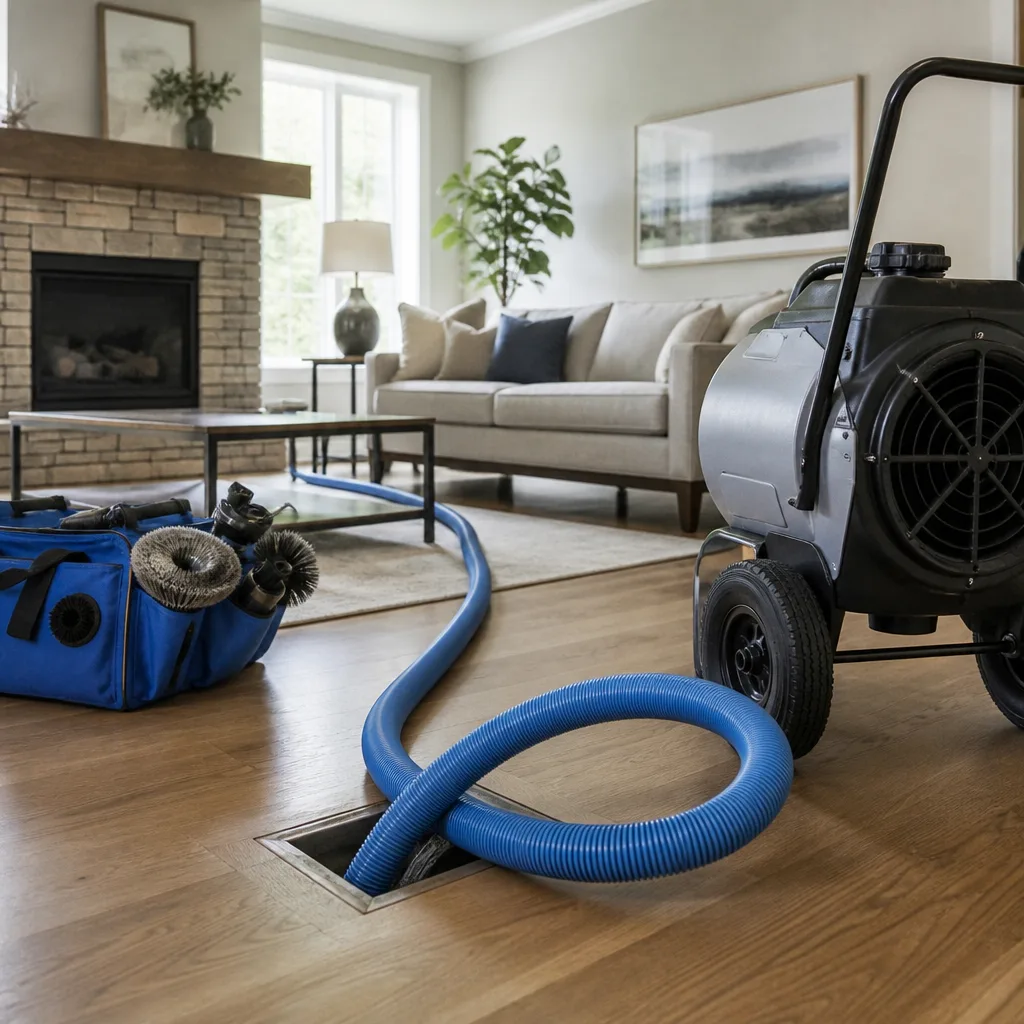 Whole-home duct cleaning
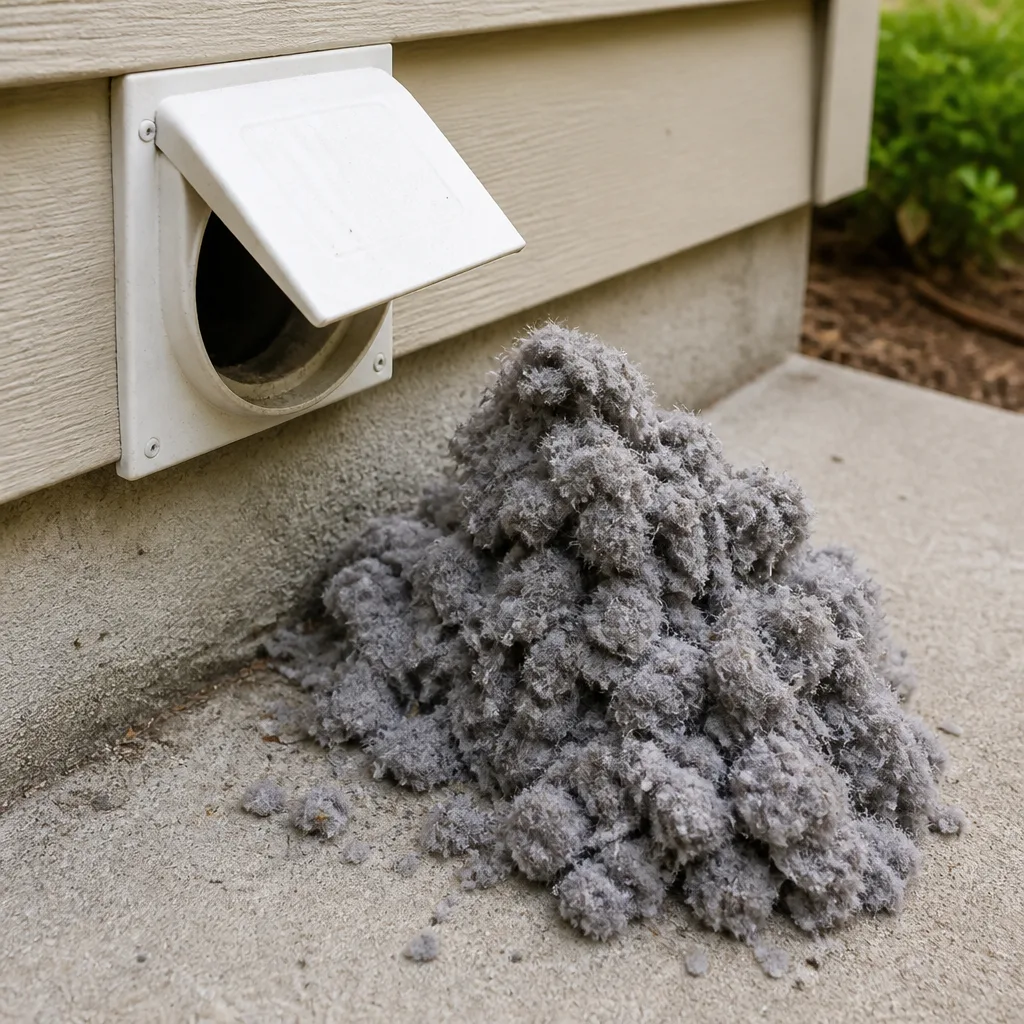 Dryer vent cleaning
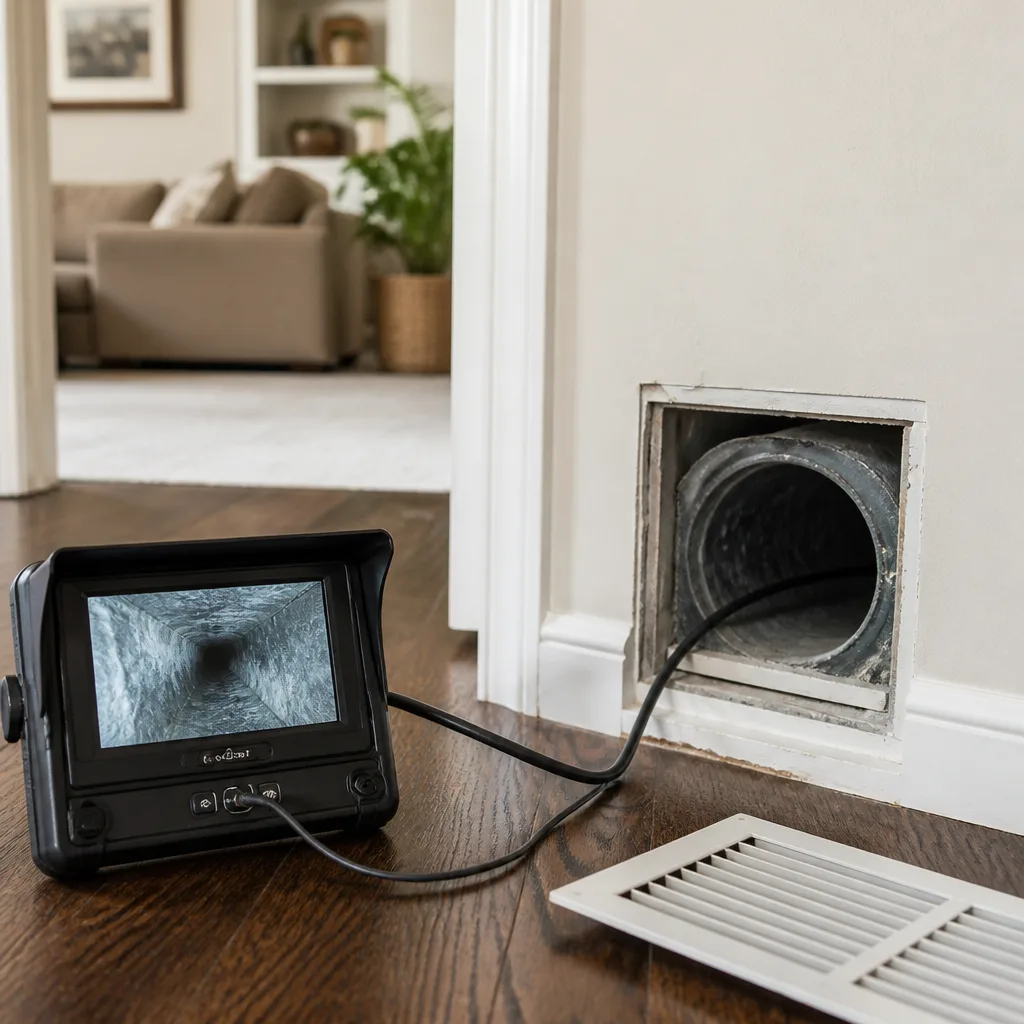 Camera inspection
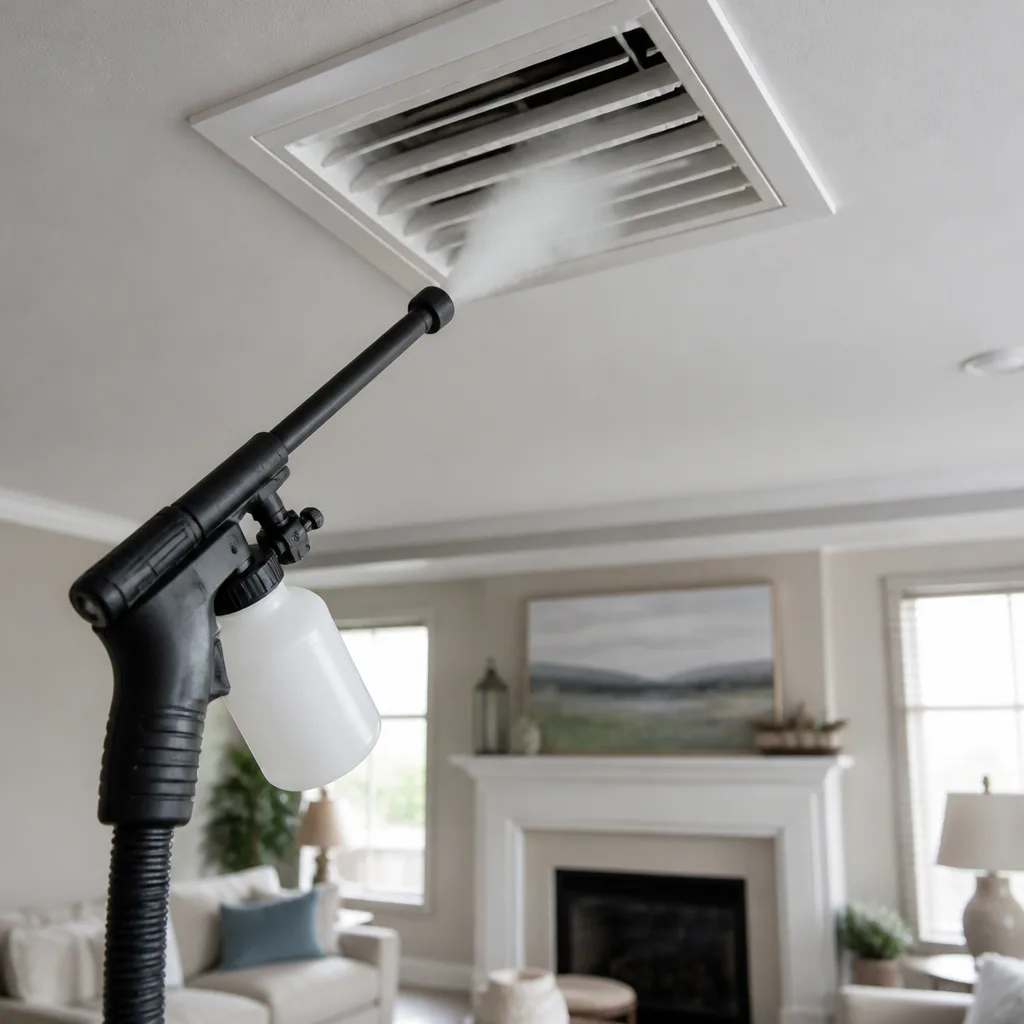 Sanitizing & deodorizing
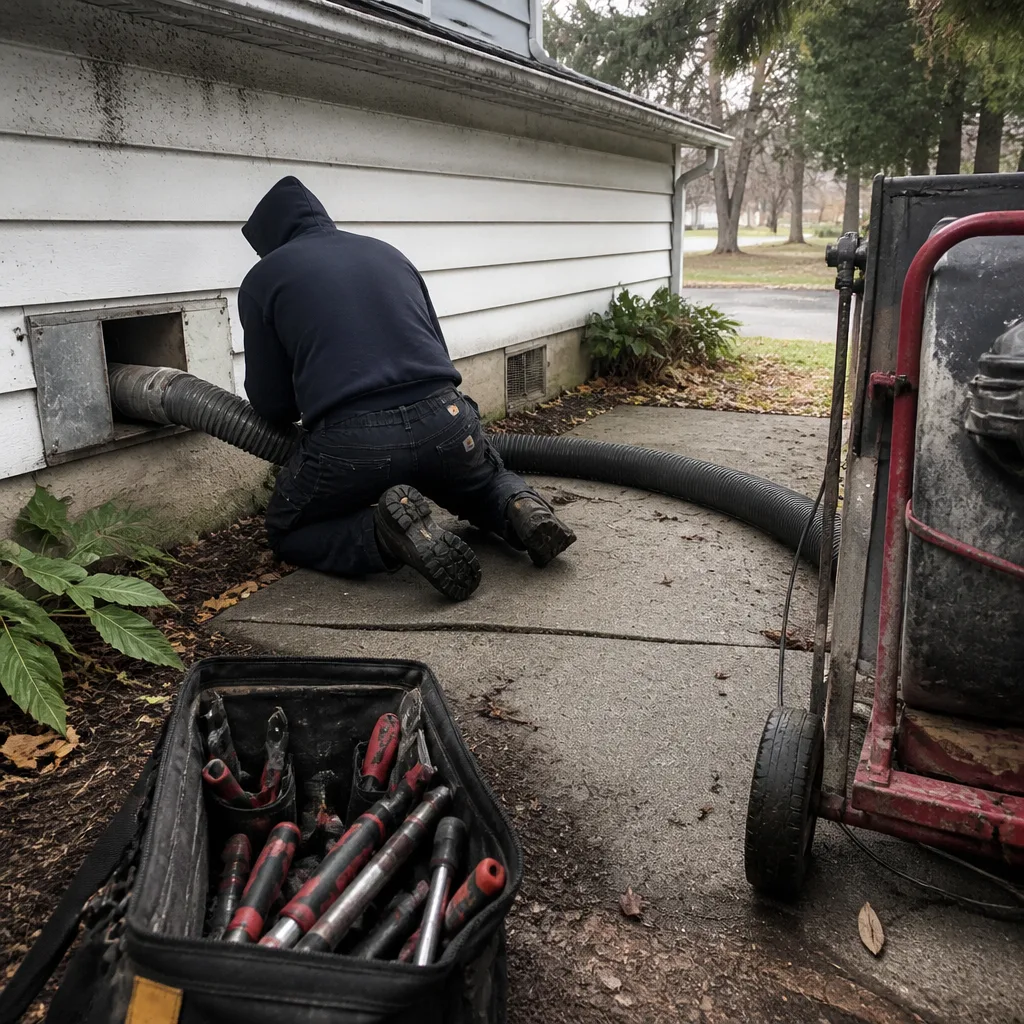
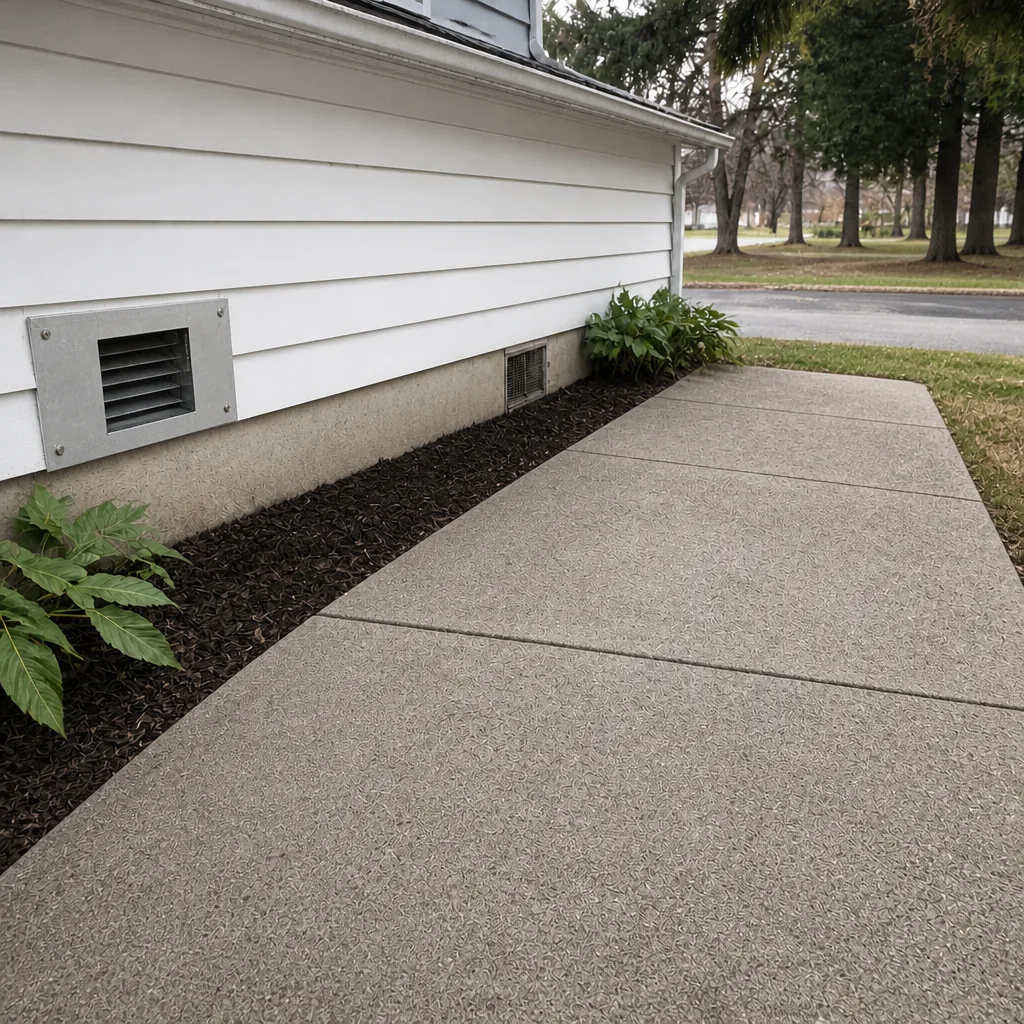
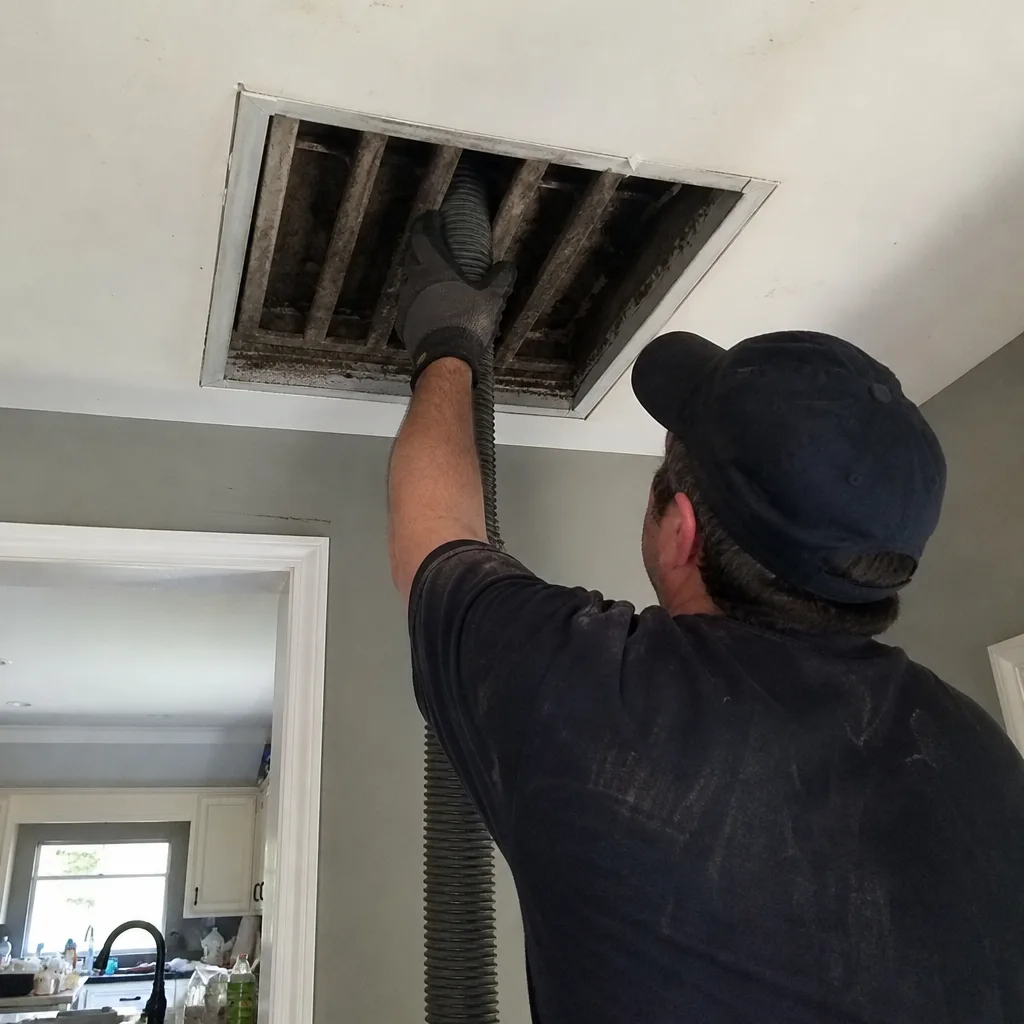
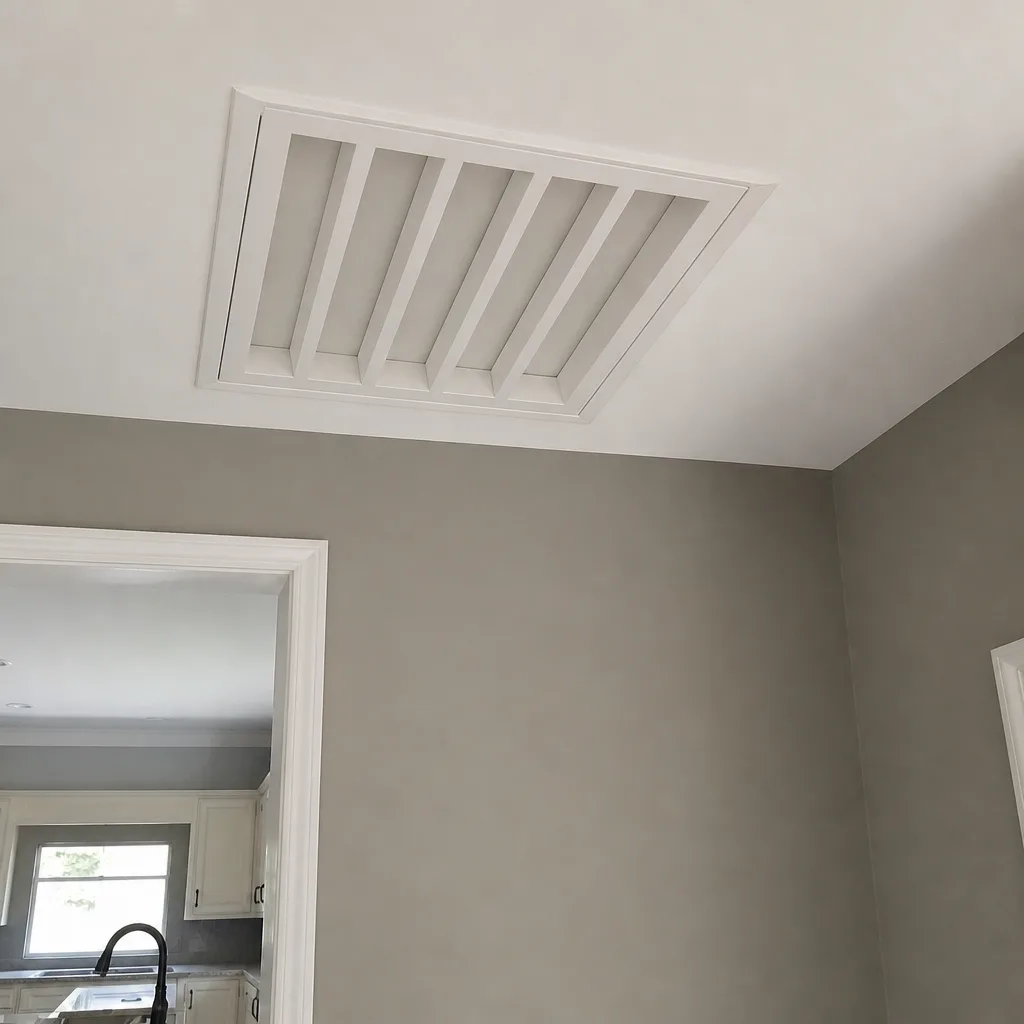
Whole-system duct and dryer vent check with before-and-after photos - you see exactly what came out of your vents
That "$99 whole-house special" is a bait ad - the real number appears once they are in your hallway, or the "clean" is a shop-vac at the register. We photograph the inside of your ducts before and after instead.
Seasonal Air Duct Cleaning Care for Tacoma: Year-Round Homeowner’s Guide
The standard advice to “clean your ducts once a year” treats all seasons as equivalent. In Tacoma, they aren’t. A single late-summer smoke window can load your return system with more fine particulate than the eight months before it, and the wet stretch that follows pushes that same material toward the fan and the coil. Cleaning on an anniversary date misses both events. This guide lays out the year as your ductwork actually experiences it: a smoke window, a humidity window, a heating startup, and a pollen surge, each stressing the system in a different way and asking something different of you. We’ll cover what to watch, when to shut things down, and how to time a professional visit so it lands between risk windows instead of in the middle of one.
Quick Answer
Plan air duct cleaning around Tacoma’s four risk windows rather than a calendar anniversary. Summer and early fall bring wildfire smoke infiltration, late fall and winter bring sustained rain and crawlspace moisture, heating startup is the best single test of contamination, and spring brings the pollen load that clogs filters and return grilles. A professional cleaning booked just after smoke season clears and before the first real heating cycle gives the most value for the money in a Tacoma home.
Styles & brands we work with
- Whole-home duct cleaning
- Dryer vent cleaning
- Camera inspection
- Sanitizing & deodorizing
Table of Contents
- Why Tacoma Doesn’t Have Four Equal Duct Seasons
- Summer to Fall: The Wildfire Smoke Window
- Heating Startup: Your Best Contamination Test
- Fall to Winter: Rain, Crawlspaces, and Subfloor Ducts
- Spring: Pollen, Filters, and Return Grilles
- How to Time a Cleaning Around the Risk Windows
- When Cleaning Isn’t Enough: Duct Repair and Sealing
- One Call for the Whole Air System
Why Tacoma Doesn’t Have Four Equal Duct Seasons
Most duct cleaning advice is written for a generic American climate: hot dry summers, cold snowy winters, a clean transition in between. Tacoma doesn’t run that way. Our summers are dry enough that wildfire smoke from elsewhere in the region rides in on the airflow and settles into homes, and our fall and winter are wet enough that moisture from crawlspaces reaches subfloor ductwork for months at a stretch. Those two conditions ask for opposite responses from your system.
Think of the Tacoma year in four blocks:
- Summer into early fall (roughly July through September): the smoke window. Outdoor particulate is high, windows are sometimes open, and the air handler can either help or hurt depending on how you run it.
- Fall into winter (roughly October through January): the moisture window. Rain is sustained, crawlspaces stay damp, and subfloor ducts in older Tacoma homes absorb that condition.
- Heating startup (whenever you first run the furnace for the season): a one-time event that tells you more about contamination than any other single check.
- Spring (roughly March through May): the pollen window. Filters load fast, return grilles collect fine yellow dust, and outdoor particulate tracks in through the same pathways smoke used months earlier.
North Tacoma homes on crawlspace foundations and newer construction on slab foundations experience these very differently, and that’s the point: the seasonal calendar is local, and the response should be local too. A Tacoma homeowner who tracks these four blocks will always be ahead of someone cleaning on a fixed annual date.
Summer to Fall: The Wildfire Smoke Window
Wildfire smoke is the single largest particulate event of the year for most Tacoma homes, and it doesn’t announce itself. Smoke arrives as fine particulate small enough to pass through standard filters and settle inside ductwork, on the blower wheel, and across the evaporator coil. What you see as a hazy sky is what your return system is pulling in whenever outside air reaches the ducts.
How you run the air handler during a smoke event matters more than anything else you do in this window:
- Keep windows and doors closed while smoke is heavy. The fewer pathways for outdoor air, the less particulate the return pulls in.
- Run the fan on low or recirculate, not on a fresh-air setting that pulls outside air in. A system that’s bringing in outside air is a smoke delivery system.
- Check the filter mid-event. A filter that looked fine in June can be visibly gray in a week of heavy smoke. Replace it when it loads, not on a schedule.
- Shut the system down during the worst hours if you can tolerate it. A short period with the fan off stops the constant deposition of fine particulate inside the ductwork.
After the smoke clears, that’s your inspection trigger. Look at return grilles for a gray film, notice whether supply registers throw visible dust when the system kicks on, and check whether the filter is loading faster than usual. In our experience, homes in Tacoma that sit through a heavy smoke season come out of it with fine particulate pushed deep into the return side rather than sitting on the filter where it’s easy to remove. Professional-grade equipment, residential care: that’s why a Rotobrush or Abatement Technologies system is used for post-smoke cleaning, since consumer vacuums and shop vacs agitate fine particulate into the air rather than capturing it.
If you want to know what’s actually in the system after a smoke season, air duct cleaning with before-and-after photos of your own ducts is the honest starting point.
Heating Startup: Your Best Contamination Test
The first time you run the furnace each fall is the most informative moment of your duct year. When heat kicks on for the first time after months of the system sitting mostly idle, everything that settled in the ductwork over the summer gets lifted and pushed through the house. That familiar burnt-dust smell is a signal, not a given.
Here’s what to watch at heating startup:
- A brief dust smell that fades within an hour is normal. It’s the dust settled on the heat exchanger burning off.
- A dust smell that persists for days is a sign of a loaded system. The air handler is continuously resuspending material that should have been removed.
- Visible dust blowing out of supply registers when you stand under them with the system running tells you the supply side is dirty, not just the returns.
- A musty or damp smell points at moisture in the ducts, which is a separate and more serious issue covered below.
- Uneven airflow room to room can mean disconnected or crushed duct runs, not just contamination, and that’s a repair question rather than a cleaning one.
A proper heating startup protocol is simple. Change the filter before the first run. Run the system for an hour with windows closed and note what you smell and see. If the smell lingers past a day or two, that’s your trigger to book an assessment. In Tacoma homes with the original flexible ductwork from the 1970s or 1980s, we’ve seen startup reveal sagging or disconnected runs that had been quietly dumping heated air into a crawlspace for years. Catching that at startup, before the cold sets in, saves a lot of discomfort.
Fall to Winter: Rain, Crawlspaces, and Subfloor Ducts
Tacoma’s rainfall is sustained through fall and winter, and in homes with crawlspace foundations, that moisture reaches the subfloor duct system. Flexible duct sitting in a damp crawlspace stays damp for months. Insulation gets wet, the duct jacket loses its seal, and the first thing that grows in an undisturbed, humid, dark space is mold.
What to monitor through the wet season:
- Smell. A musty or earthy odor near floor registers, especially in rooms over a crawlspace, is the earliest and most reliable indicator of moisture in the ducts.
- Crawlspace conditions. If you can safely inspect, look for standing water, wet insulation, and condensation on the duct jacket. Never crawl into a space with standing water or exposed electrical wiring; call a professional instead.
- Mold at the register. Visible dark spotting around a supply or return grille is a sign the system has been carrying moisture, and cleaning the visible surface won’t fix the source.
- Condensation on the air handler and duct connections. A sweating air handler cabinet in winter points at a humidity problem the duct system is absorbing.
Once moisture is in the ducts, cleaning alone isn’t the answer. Air Quality & Sanitizing addresses the biological load after the physical material is removed, and duct repair and sealing prevents the moisture pathway from reopening. We treat duct repair as the root-cause fix – finding and sealing the breach that let damp crawlspace air in, not cleaning around it. Guardsman and Aprilaire products come into play here for post-service protection and humidity-aware air quality management. Fall is the right time to address any of this, before the moisture has a full season to work on the system.
Spring: Pollen, Filters, and Return Grilles
By March, Tacoma’s spring pollen load is doing to your filters and returns what smoke did eight months earlier. Pollen grains are larger than smoke particulate, which means most decent filters capture them at the equipment, but they also settle heavily in return grilles and around return boots where airflow is slowest. That buildup is the leading cause of a system that feels underpowered by late spring.
Spring checklist for the return side:
- Upgrade the filter at the start of pollen season, not the end. The right filter is more about pressure drop than the highest MERV rating on the shelf. A filter rated too high for your blower motor restricts airflow and shortens equipment life. Check your system’s manual or ask a technician which rating your equipment is designed for.
- Inspect return grilles every three to four weeks through spring. Visible yellow-green dust on the grille face means the return is loading faster than the filter can keep up with, and a cleaning is due.
- Vacuum the grille faces gently with a brush attachment. Never remove a grille to reach inside the duct on your own; the material behind it should be removed with sealed, HEPA-grade equipment, not a household vacuum.
- Watch for spring dust storms inside the house. If a sunny afternoon with windows open fills the house with fine dust that wasn’t there in winter, the return system is sitting on a load that should have been removed the previous fall.
Spring is also the ideal window for professional dryer vent cleaning, since lint collects year-round and the dryer works harder in the shoulder seasons when indoor drying picks up. It’s a small job that pairs well with a spring system review.
How to Time a Cleaning Around the Risk Windows
The best-value timing for professional duct cleaning in Tacoma is a narrow window: just after the smoke season clears, before heating startup. That’s roughly late September into early October in most years, and it captures the entire summer’s particulate load before the first heating cycle pushes it through the house.
Here’s how to stack the year:
- Late September to mid-October: post-smoke cleaning and inspection. Remove the summer’s fine particulate while it’s still settled and before heat lifts it.
- First heating cycle: run the system and watch for lingering dust smell, visible register dust, or a musty odor. Any of the three means follow-up, not wait-until-next-year.
- November through January: moisture watch. No routine cleaning needed unless a smell or visible mold appears; if it does, sanitizing and duct repair take priority over another cleaning pass.
- March to May: filter upgrade and return grille inspection. A full cleaning is less often needed in spring if the fall cleaning was done, but return-side inspection should be routine.
A professional assessment should include a camera inspection of the main trunk and at least one branch run, and before-and-after photos of your own ducts so you can see exactly what came out. That photographic record isn’t a sales tactic; it’s how you know the work was actually done. If a company won’t show you your own ducts, ask why.
When Cleaning Isn’t Enough: Duct Repair and Sealing
Cleaning removes what’s in the ducts. It doesn’t fix what’s wrong with them. In older Tacoma homes, the duct system itself is often the problem: disconnected runs in crawlspaces, crushed flexible duct under flooring, sagging jackets, and unsealed joints that leak heated air into unconditioned space.
Signs the ducts need repair rather than another cleaning:
- Rooms that are consistently colder or warmer than the rest of the house, with no clear cause.
- A musty smell that returns within weeks of a cleaning.
- Visible sagging, crushed, or disconnected duct sections in the crawlspace or attic.
- Higher heating bills without a corresponding change in usage.
This is where we separate from pure-cleaning operations. Duct repair and sealing finds the breach, repairs it, and seals it, then a cleaning removes the material that entered through it. Doing repairs after cleaning without confirming the system is sealed means the contamination pathway reopens the moment the seal is disturbed. Do the repair first, then clean, then sanitize where the moisture history calls for it. We handle all three, and that sequence matters in a Tacoma home with a damp crawlspace far more than it does in a dry-climate home.
If you’ve had a cleaning in the past two years and the smell or the dust pattern has come back, suspect a leak before you suspect the cleaning. For a full look at what a system-wide cleaning covers, see hvac cleaning, which addresses the blower, coil, and cabinet alongside the ducts themselves.
One Call for the Whole Air System
Ductwork, HVAC equipment, the dryer vent, and air quality products all share the same house and the same seasonal pressures, and scheduling them as separate projects misses the point. A spring pollen problem is often a fall smoke problem with a different particle size. A winter musty smell is usually the same crawlspace moisture that drove spring mold. Treating them together is more useful than treating each on its own calendar.
We work with professional equipment brands – Rotobrush and Nikro for duct and HVAC cleaning, Abatement Technologies for contamination control, and Honeywell and Aprilaire for air quality products – the same platforms commercial contractors use. The full service menu runs across five areas: Air Duct Cleaning, Dryer Vent Cleaning, HVAC Cleaning, Duct Repair & Sealing, and Air Quality & Sanitizing. One flat price per system, agreed before work starts, with before-and-after photos. Our technicians have up to 11 years of experience. The local pros we connect you with are licensed and insured as Washington requires.
Common Mistakes to Avoid
- Cleaning on an annual date instead of the seasonal calendar. A spring cleaning in Tacoma misses the entire smoke window and pushes the bulk of the load into the next heating cycle. Time the visit against the smoke season, not the month you moved in.
- Hiring on the lowest coupon price. A low teaser price that becomes a much larger invoice once the technician is on site is the industry’s worst pattern. One flat price per system, agreed before work starts, is the only honest structure.
- Running the air handler on fresh-air during a smoke event. Pulling outdoor air into a closed house during heavy smoke is the fastest way to load the returns. Run recirculate, and shut the system down during the worst hours if you can tolerate it.
- Ignoring the burnt-dust smell at heating startup. A smell that fades in an hour is normal. One that lingers for days is a sign of a loaded system and needs an assessment, not another month of waiting.
- Cleaning without checking the crawlspace. In a Tacoma home on a crawlspace foundation, cleaning a system that sits in damp air is a temporary fix. Address moisture and duct sealing first, then clean.
- Upgrading to the highest MERV filter without checking equipment specs. A filter rated too high for the blower motor restricts airflow and accelerates wear. Check the equipment manual or ask a technician before you buy.
- Accepting a cleaning with no before-and-after photos of your ducts. Without photos of your own system, you have no way to know whether the work was done. Ask up front.
See the difference
 Before
 After
 Before
 After
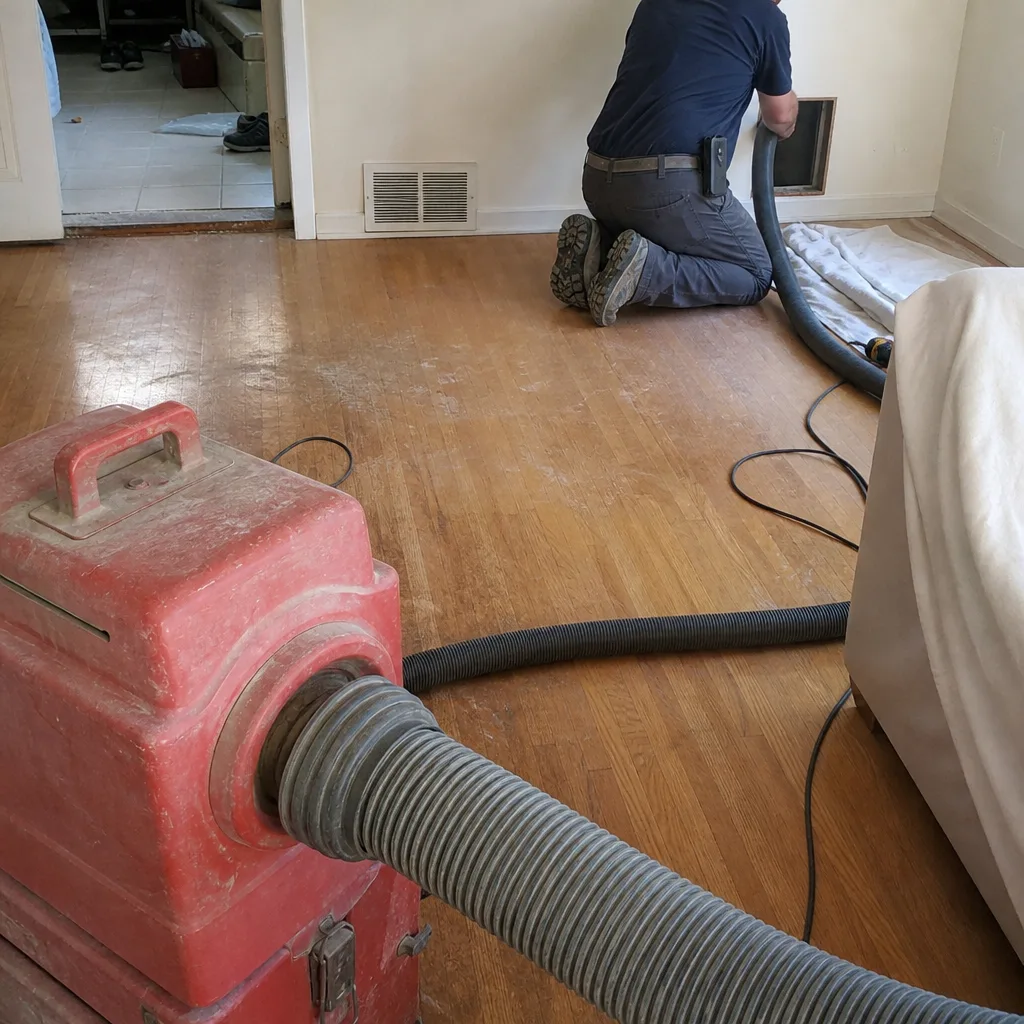 Before
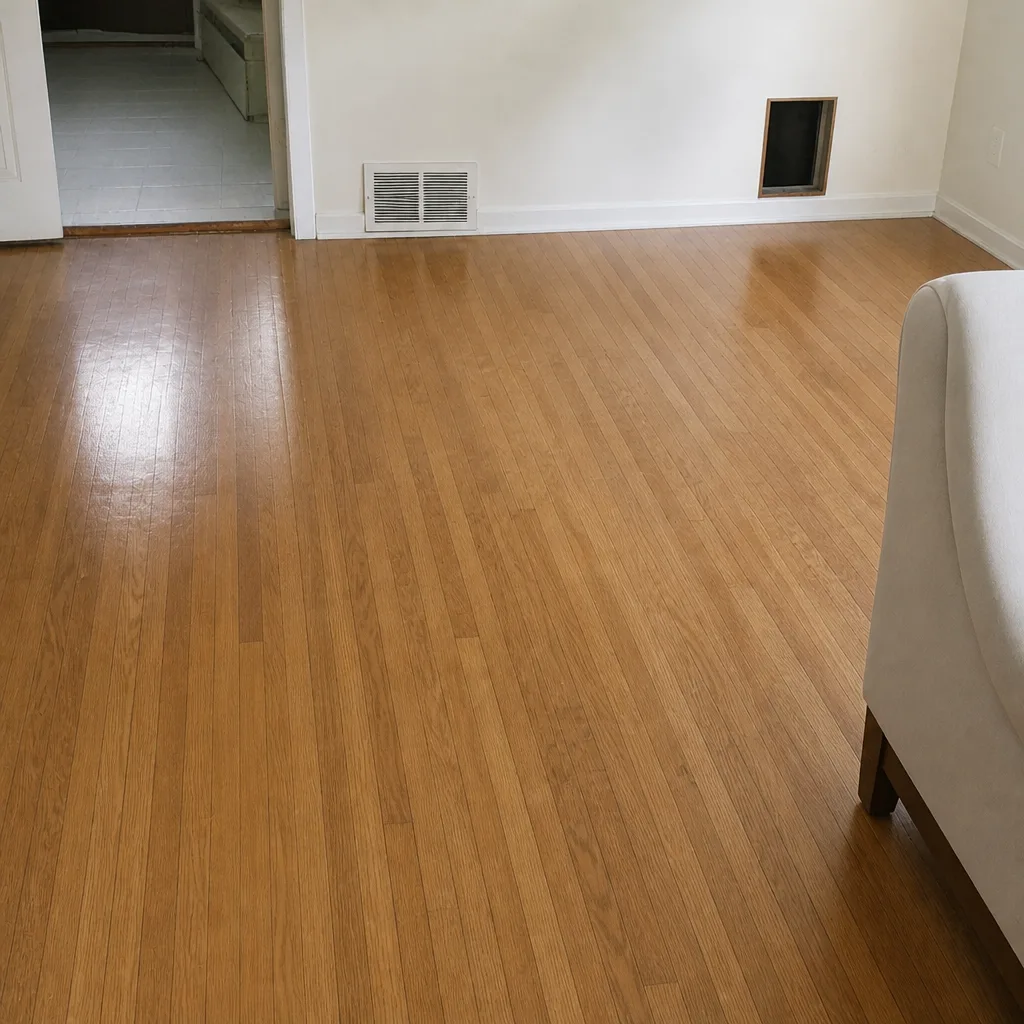 After
When to Call a Professional
Call a professional when the seasonal check reveals something you can’t resolve on your own. That’s a persistent dust smell at heating startup, visible dust blowing from supply registers, mold spotting around a grille, a musty smell that returns after cleaning, or sagging duct visible in a crawlspace. It’s also the right call before you attempt anything inside the ducts yourself; household vacuums and consumer equipment agitate fine particulate into the air rather than capturing it, and professional-grade, sealed systems exist for exactly that reason.
Any electrical work around an air handler or furnace should be handled by a licensed electrician, and any repair involving gas equipment belongs to a licensed gas technician. Never open a panel or work inside ductwork connected to a live system. Air Duct Cleaning Tacoma Pros offers free estimates in Tacoma – call (877) 792-6386. We answer 24/7. Fast dispatch from 7am to 7pm, Sunday through Friday.
Frequently Asked Questions
Most Tacoma homes do well with a professional cleaning every two to three years, timed just after smoke season and before heating startup, with a filter change at least twice a year and more often during smoke events. Homes with pets, recent renovations, or a crawlspace moisture history need it more often. Call (877) 792-6386 for an exact assessment – estimates are free.
Low quotes usually cover a surface vacuum of the visible grilles, not the full duct run, and they become much larger invoices once the technician is on site. A per-vent price is a red flag; a whole-system flat price agreed before work starts is the honest structure. Call (877) 792-6386 for a straight quote – estimates are free.
Ask for before-and-after photos of your own ducts, taken inside the system, not a stock image or a clip of a generic job. A company that uses sealed, HEPA-grade professional equipment can show you what came out. If a crew can’t document the work, don’t pay until they do. Call (877) 792-6386 to book an assessment with photos included – estimates are free.
Yes, on recirculate with windows closed, and shut it down during the heaviest smoke hours if you can tolerate it. A system set to bring in outside air is pulling smoke straight into the return. Check the filter mid-event and replace it when it visibly loads. Call (877) 792-6386 for a post-smoke assessment – estimates are free.
No, not past gentle vacuuming of grille faces. Household vacuums agitate fine particulate back into the air, and any work inside an air handler or gas furnace carries electrical and combustion risk that requires a licensed professional. A sealed professional system is the only safe way to remove deep contamination. Call (877) 792-6386 – estimates are free.
Late September into early October, right after smoke season clears and before the first heating cycle, is the highest-value window. It removes the summer’s particulate before startup lifts it through the house, and it leaves the winter moisture window for repair and sanitizing work. Call (877) 792-6386 to book around that window – estimates are free.
The Bottom Line
Tacoma’s duct year is four risk windows, not four equal seasons. The smoke window loads the system with fine particulate. Heating startup is the best contamination test you have. The moisture window drives subfloor duct problems in homes on crawlspaces. The pollen window loads filters and return grilles. Cleaning after smoke and before startup captures the most value for the money. Repair and sealing come before another cleaning when the problem keeps returning. One flat price per system, agreed before work starts, and before-and-after photos of your own ducts are how you know you got what you paid for. Book the whole air system with one team that can find the problem, fix it, and protect it.
Written by the team at Air Duct Cleaning Tacoma Pros.