
Last updated November 23, 2026
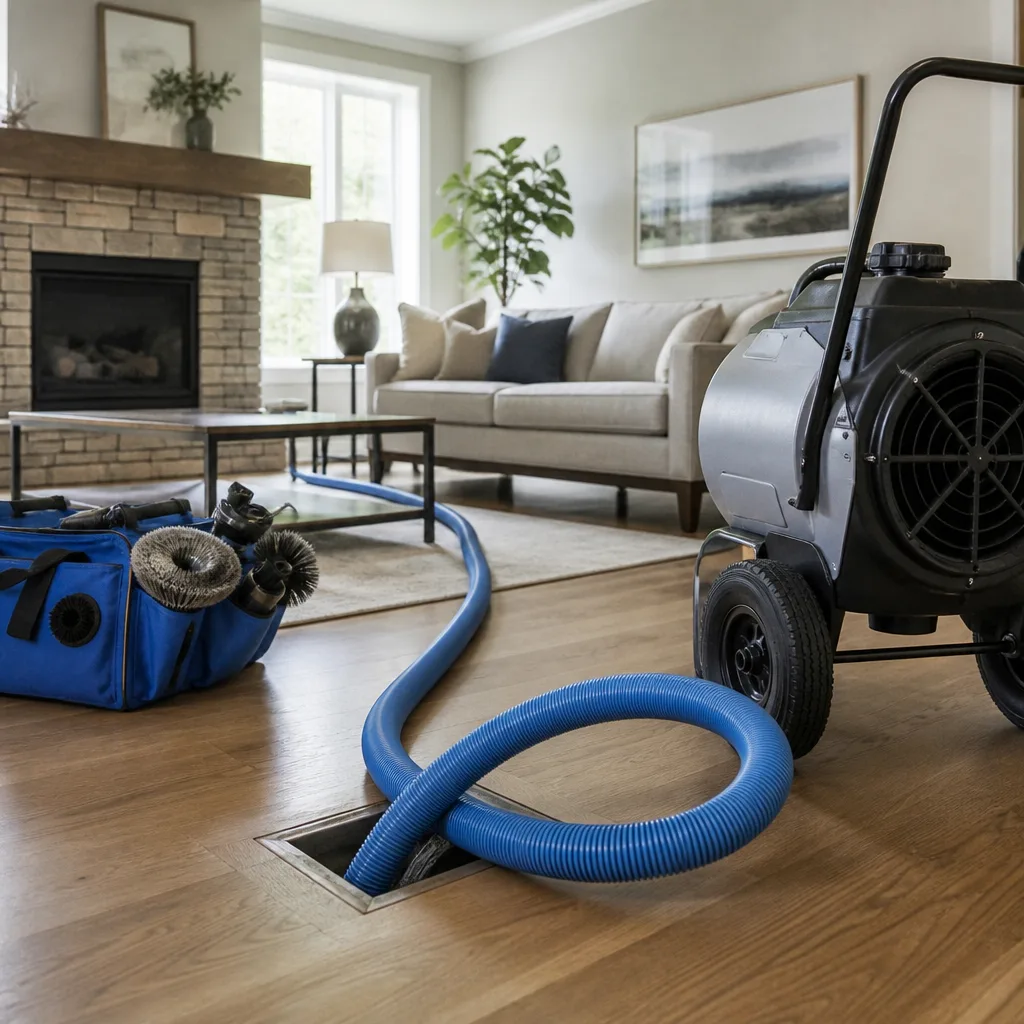 Whole-home duct cleaning
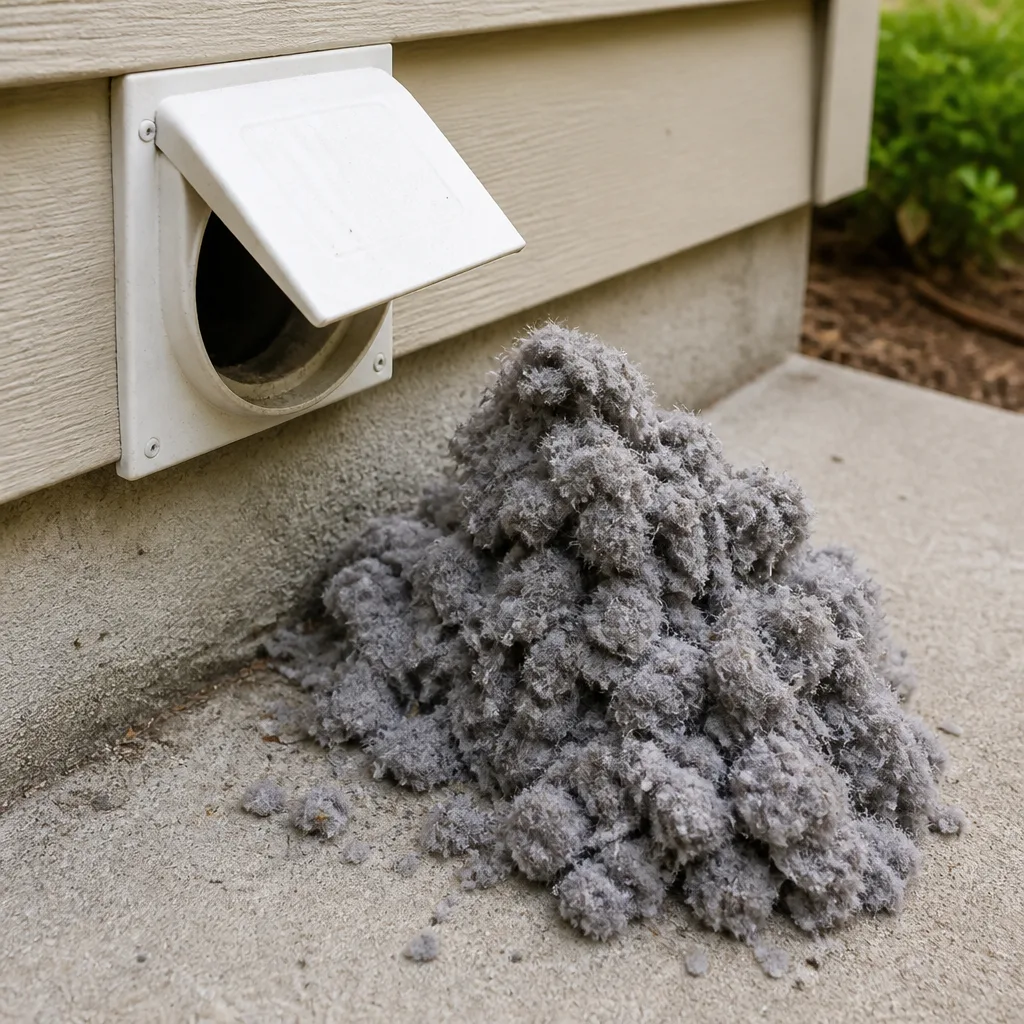 Dryer vent cleaning
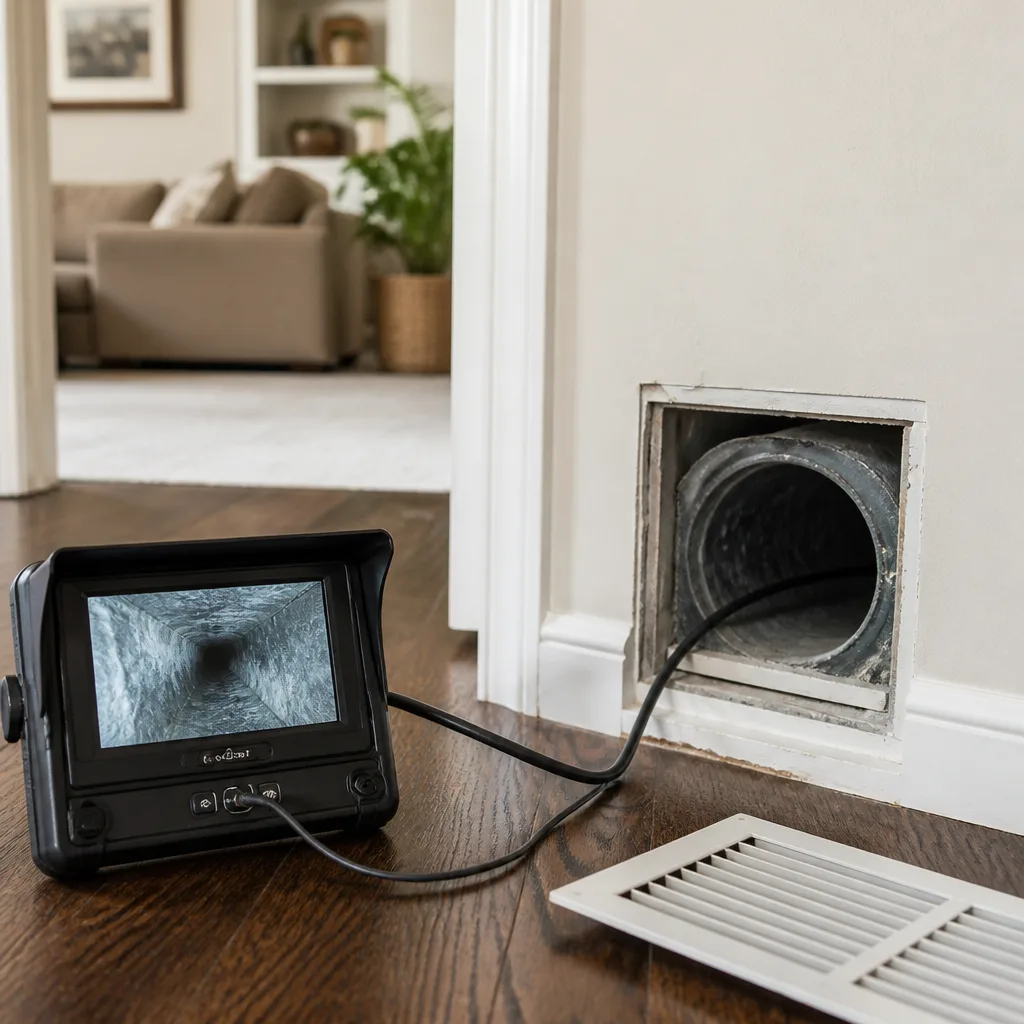 Camera inspection
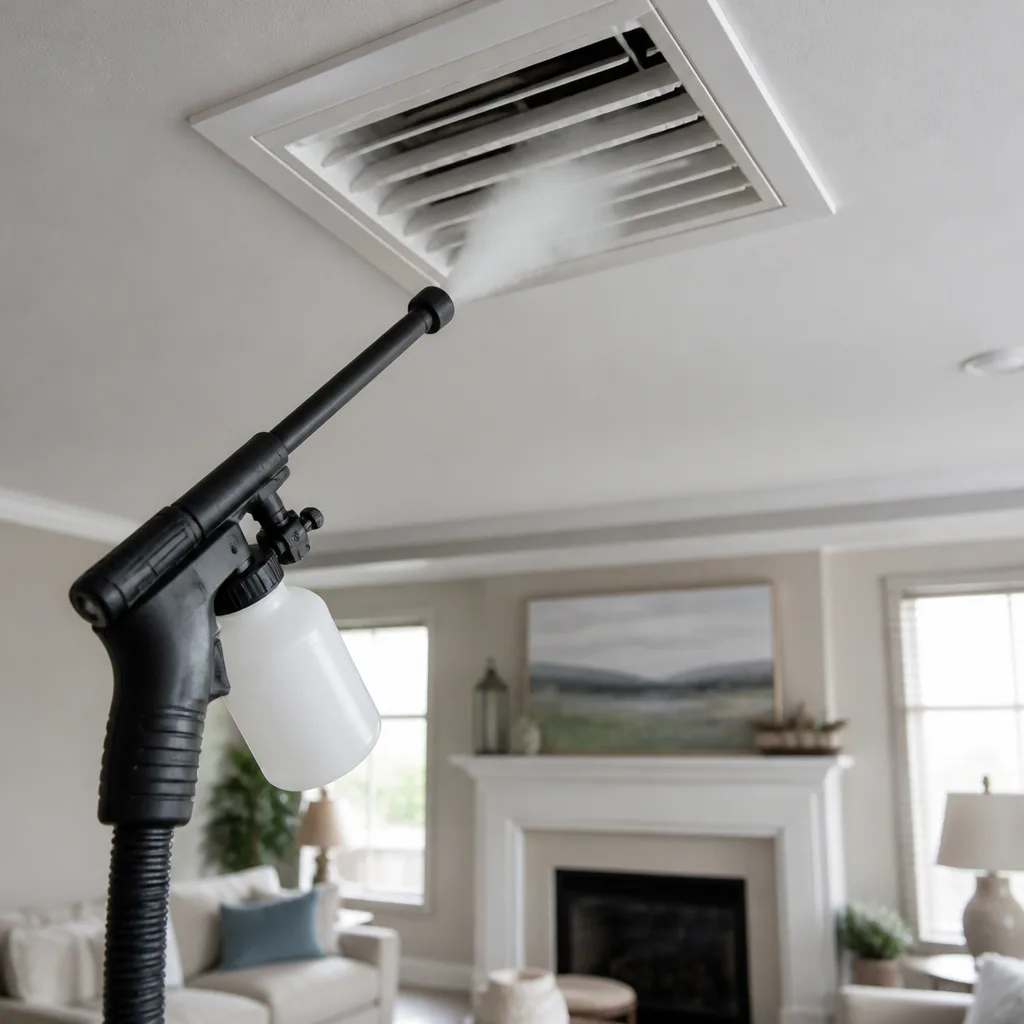 Sanitizing & deodorizing
Whole-system duct and dryer vent check with before-and-after photos - you see exactly what came out of your vents
That "$99 whole-house special" is a bait ad - the real number appears once they are in your hallway, or the "clean" is a shop-vac at the register. We photograph the inside of your ducts before and after instead.
Air Duct Cleaning Emergency Preparedness Guide for Tacoma Homes
Most Tacoma homeowners think about duct cleaning as routine maintenance, something to schedule when the vents look dusty or the system starts to smell. That framing misses the real risk. After a wildfire smoke event or a water intrusion, the visible damage gets all the attention while the HVAC system keeps running, pulling contaminated air through every duct in the house. We wrote this guide because the duct system is usually the reason a post-emergency problem keeps coming back weeks after the cleanup is done. You’ll learn how to prepare your ducts before a smoke or flood event, what to do in the first days after one, and how to tell whether your system needs emergency cleaning or standard service.
Quick Answer
Air duct cleaning after an emergency in Tacoma means shutting down the HVAC system during a smoke event or water intrusion, inspecting the ducts within 48 to 72 hours of any moisture event, and cleaning or remediating affected duct sections before resuming normal operation. Wildfire smoke calls for enhanced filtration and a post-event inspection before you turn the system back on. Water intrusion requires fast microbial checks because wet duct lining can grow contamination within days. Emergency cleaning is different from routine service because the goal is contamination control, not dust removal.
Styles & brands we work with
- Whole-home duct cleaning
- Dryer vent cleaning
- Camera inspection
- Sanitizing & deodorizing
Table of Contents
- Wildfire Smoke Protocol for Tacoma Duct Systems
- Water Intrusion and Flooding: The 48-72 Hour Window
- Pre-Emergency Duct Documentation and Preparedness
- Emergency Cleaning Versus Standard Service
- Coordinating Duct, HVAC, and Restoration Work
- How to Identify Which Ducts Were Affected
Wildfire Smoke Protocol for Tacoma Duct Systems
In a typical smoke event, the first instinct is to close the windows and leave the HVAC running to keep the house cool. That’s backwards for duct health. A running system during heavy smoke pulls outside air into the return, sends it across the filter, and distributes it through every supply register. Some particles get captured. A lot don’t.
The moment smoke levels rise in Tacoma, here is the sequence we recommend:
- Turn off the HVAC system until outdoor air quality improves. A running system both recirculates indoor smoke and pulls fresh smoke in through the intake.
- Close the outdoor air intake and any fresh-air damper if your system has one.
- Upgrade the filter temporarily. A MERV 13 filter captures fine smoke particles that a MERV 8 will miss. Don’t go above the MERV rating your equipment is designed for, because a filter that’s too restrictive can damage the blower.
- Seal obvious gaps around the air handler and accessible duct connections with foil tape, not cloth duct tape.
- Run a portable air cleaner in the living space if you have one, so the house is still being filtered without the HVAC moving smoke through the ductwork.
After a smoke event passes, the sequence flips. Don’t just restart the system and hope the filter caught everything. Smoke residue settles on duct walls, and the first few hours of air circulation after a smoke event can push deposits back into the living space. We recommend inspecting the air handler, the return plenum, and a few supply runs before resuming normal operation. If the duct lining or flexible duct is visibly greyed or holds a smoke odor, that’s the signal to schedule air duct cleaning before living in the house with the system running again.
We use Abatement Technologies HEPA filtration and negative air equipment on post-smoke jobs because the fine particles from a wildfire event are small enough to pass through standard shop vacuums and consumer-grade equipment. The same platforms commercial remediation contractors rely on are what you need on a job like this. For homes with allergies or asthma in the household, we often pair the cleaning with air sanitizing afterward so any residual odors and microbial load are addressed, not just the visible debris.
Water Intrusion and Flooding: The 48-72 Hour Window
After any flooding or water intrusion event in a Tacoma home, the ducts enter a clock. Wet duct lining becomes a microbial environment surprisingly fast, and once growth starts, cleaning alone won’t remove it. The working window is 48 to 72 hours from the moment water touches the system. After that, inspections often find microbial growth already established.
Here’s what we want homeowners to know about that window:
- Bare sheet metal ducts can sometimes be dried and cleaned if water contact was brief and the system was shut off. Blowers need to stay off until a trained technician confirms the interior is dry.
- Flexible duct with a fiberglass core holds water. Once saturated, the inner lining can’t be dried reliably and usually needs replacement.
- Duct board and insulation-wrapped runs are the most vulnerable. Wet duct board is a common source of ongoing mold issues in Pacific Northwest homes because it’s porous and stays damp.
- Visible growth shows up as dark speckling, discoloration, or a musty odor coming from supply registers. It is a remediation signal, not a standard cleaning job.
What we look for during an inspection after water intrusion is straightforward: moisture readings on duct interiors, visual dark spots on the lining of the air handler and plenum, and odor from supply registers when the system is briefly cycled. If there’s active growth, remediation protocols with containment come before any cleaning. If it’s wet but clean, we dry and inspect before running air. If the ducts are wet and colonized, replacement of the affected runs is the right call, and the rest of the system gets cleaned afterward. There are really only those three outcomes.
One thing worth understanding about the Tacoma area: our rainy season and the occasional atmospheric river event make water intrusion a real winter hazard, not a rare one. Crawlspace moisture, failed pipe fittings, and blocked condensate drains are the most common pathways water reaches ductwork. We frequently scope a post-event job alongside HVAC cleaning so the air handler, blower, and coil get addressed at the same time the ducts do.
Pre-Emergency Duct Documentation and Preparedness
The most effective emergency response starts before the emergency. When a homeowner has a clean baseline record of their duct system, both the inspection after an event and any insurance claim go faster. When that record is missing, the on-site inspection has to recreate it, and damaged components get harder to attribute.
What to document, before any event:
- Photograph the duct layout. Snap the main trunk, accessible branches, and every register from the inside of the house. Include the air handler and filter in the frame.
- Record the components. Note duct material (sheet metal, flexible, duct board), insulation, filter size and MERV ratings, air cleaner or humidifier models.
- Save the equipment nameplate. A photo of the HVAC unit’s model and serial plate is one of the first things a contractor or insurer asks for.
- Note the last cleaning date and the equipment used. This is the baseline of “before” condition.
- Keep it all in one file. A cloud folder or paper folder with these photos and notes should be part of any Tacoma home’s emergency binder, next to the water shutoff location and insurance details.
Downtime in claims is where this pays off. Adjusters work from a pre-event baseline. A homeowner who can send photos of clean return plenums and detailed duct materials is a much stronger claim than one who can only describe the damage after the fact.
One more preparedness step worth taking: know which ducts in your home are accessible and which are behind finished ceilings. If the return trunk in the crawlspace is accessible but the second-floor supply runs are buried, that shapes what a post-event inspection can actually look at without cutting into walls.
Emergency Cleaning Versus Standard Service
Not every post-event situation needs an emergency call. The line between emergency and standard service is whether contamination is actively being distributed or has established a foothold. If smoke has settled but the system is off, that’s a standard cleaning. If smoke has been pushed through the system for days, or water has touched the ducts, that’s an emergency response.
Here’s the practical test we use:
- Standard cleaning: dust accumulation, visible debris in the registers, musty odor without water damage, planned service after routine HVAC work.
- Emergency cleaning: smoke residue in the ducts after a wildfire event, water intrusion touching duct material, visible growth on duct lining, or a system that has been running during either event.
- Remediation, not cleaning: confirmed microbial growth inside ductwork, wet porous duct material, or an insurance-related restoration job.
Emergency cleaning differs from standard cleaning in a few concrete ways. It uses HEPA-filtered containment equipment, negative air pressure to keep contaminants from spreading into the house during the job, and documentation afterward for insurance. We use Rotobrush and Nikro platforms on standard and emergency jobs because the equipment is built for source removal of contaminants, not just loosening dust inside a duct. Professionals with decades of duct experience learn quickly that a job like this is judged by what the ducts look like on a camera inspection at the end, not by how much debris the truck pulled out.
If the post-event situation has affected the HVAC equipment itself, we handle the HVAC cleaning side of that too, so you’re not held up waiting on a second contractor to finish their portion before ours can be scheduled. The same team can address ducts, air handler, coil, and registers in sequence, and we’ll tell you plainly if a section needs remediation instead.
Coordinating Duct, HVAC, and Restoration Work
Post-emergency work usually involves three trades working in the same house: restoration (water, smoke, structural), HVAC (equipment function), and duct cleaning (air distribution). The order matters. If the order is wrong, one contractor’s finished work gets undone by the next.
What we recommend for homeowners coordinating a post-emergency job in Tacoma:
- Restoration first if there’s water. Structural drying, removal of saturated materials, and mitigation of any active moisture come before duct work.
- HVAC service next if the equipment was affected. The air handler, blower, coil, and electrical components should be inspected and cleared before air moves through the system again.
- Duct cleaning after those two so any debris or moisture from the restoration work gets removed from the ducts, not sealed in.
- Sanitizing last, once the clean ducts are confirmed dry. This is where finishing products like Guardsman come in, so the cleaned system stays clean after the technicians leave.
- Duct repair and sealing any time a technician finds a failure, whether that’s a disconnected run, crushed flexible duct, or gaps at the plenum that will keep pulling unfiltered air in.
Where things go wrong is when restoration never tells the duct cleaner about a water intrusion that was measured at the air handler, or when the duct cleaner finds disconnected runs and doesn’t flag it for repair. Ask each contractor what they covered and what they didn’t. A good restoration team will tell you when the ducts are out of their scope. A good duct team will show you a camera inspection and photo evidence of any defect they find. We push to have all three trades coordinated rather than sequenced blindly, so a job doesn’t get re-opened further down the line.
One advantage to working with a full-service air quality specialist is that if a plug-and-play air quality component is a fit after the cleaning, we install and set it up in the same visit. Honeywell and Aprilaire media cabinets and whole-house filtration units are products we know inside out, and they attach to the duct system the same technicians just cleaned. It’s a smaller detail on a post-event job, but it makes a difference when the system gets turned back on and the home has to be re-occupied.
How to Identify Which Ducts Were Affected
Duct contamination after a smoke or water event is not evenly distributed. Some runs get hit hard, others are largely fine. Knowing which is which saves both time and money, and prevents unnecessary replacement of duct sections that only needed cleaning.
What we check during a post-event inspection:
- The return plenum at the air handler, since it takes the first pull of the system’s air and accumulates contamination first.
- Supply registers on exterior walls, where temperature swings cause more condensation and where smoke infiltration often enters during events.
- Flexible runs in the crawlspace or attic, since these are often the shortest runs and the most likely to sag, trap moisture, or disconnect.
- The air handler cabinet and blower wheel, which is where most of the visible contamination actually sits even when the ducts look clean.
- The blower-side filter slot, since a poor filter seal lets contamination bypass filtration and reach the ducts directly.
Once we know what’s affected, emergency cleaning becomes a targeted job, not a whole-house blast. Affected runs get cleaned with HEPA-filtered source-removal equipment. Unaffected runs get inspected and left alone. If damage is found in the affected set, professional duct repair and sealing gets scheduled as a follow-up or as part of the same visit. That’s how we keep the cost reasonable and the result honest.
When the dry side of the job is done, a quick air sanitizing pass through the affected sections helps address residual odors from a smoke event. Some homes also benefit from a dryer vent cleaning if the emergency pushed lint or debris into the dryer exhaust path, though that’s a separate inspection.
Common Mistakes to Avoid
- Running the HVAC during a smoke event to “filter” the air. A residential filter is not designed to filter smoke at the volume a running system pulls in. Shut the system down and use a portable air cleaner instead.
- Waiting to inspect after water intrusion. The 48 to 72 hour window is real, and Tacoma’s damp climate makes it shorter, not longer. A musty smell after a leak or flood is a signal, not a nuisance.
- Using a consumer-grade shop vac on duct interiors. Most shop vacuums move contamination around inside the system rather than removing it. Post-event jobs need HEPA containment equipment.
- Upgrading the filter too aggressively. MERV 13 is a reasonable step-up for smoke; MERV 16 without checking the equipment’s airflow rating can stall the blower and leave the house warmer and stuffier.
- Skipping documentation before the event. Without photos and component records, an insurance claim on post-event duct damage turns into a slow back-and-forth. It’s an afternoon of prep that saves weeks later.
- Assuming the ducts are “probably fine” after a wildfire event. Smoke residue settles on duct walls in ways that aren’t visible from a register. Camera inspection is the only real test.
- Letting restoration and duct cleaning happen without coordination. Work gets redone when drying finishes after the ducts are cleaned, or when the ducts are cleaned before structural repairs remove the source of contamination.
See the difference
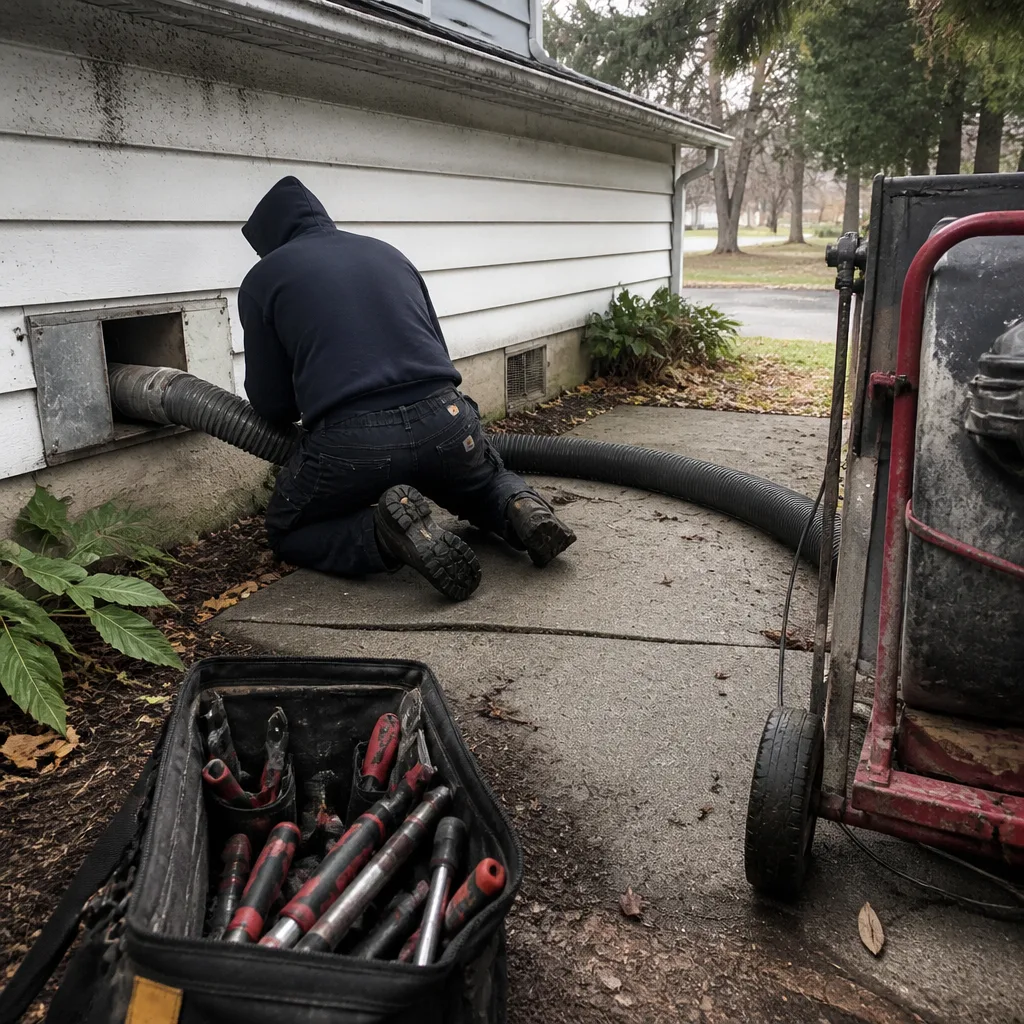 Before
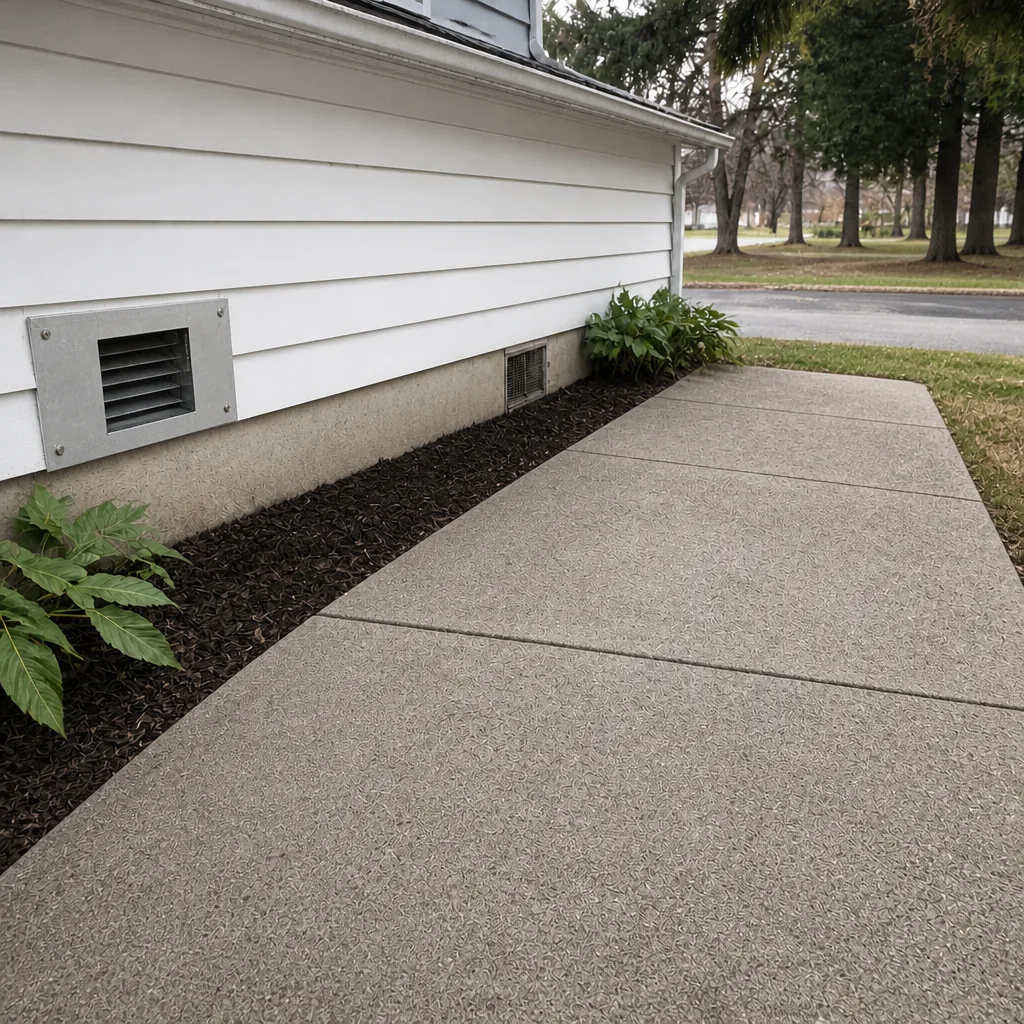 After
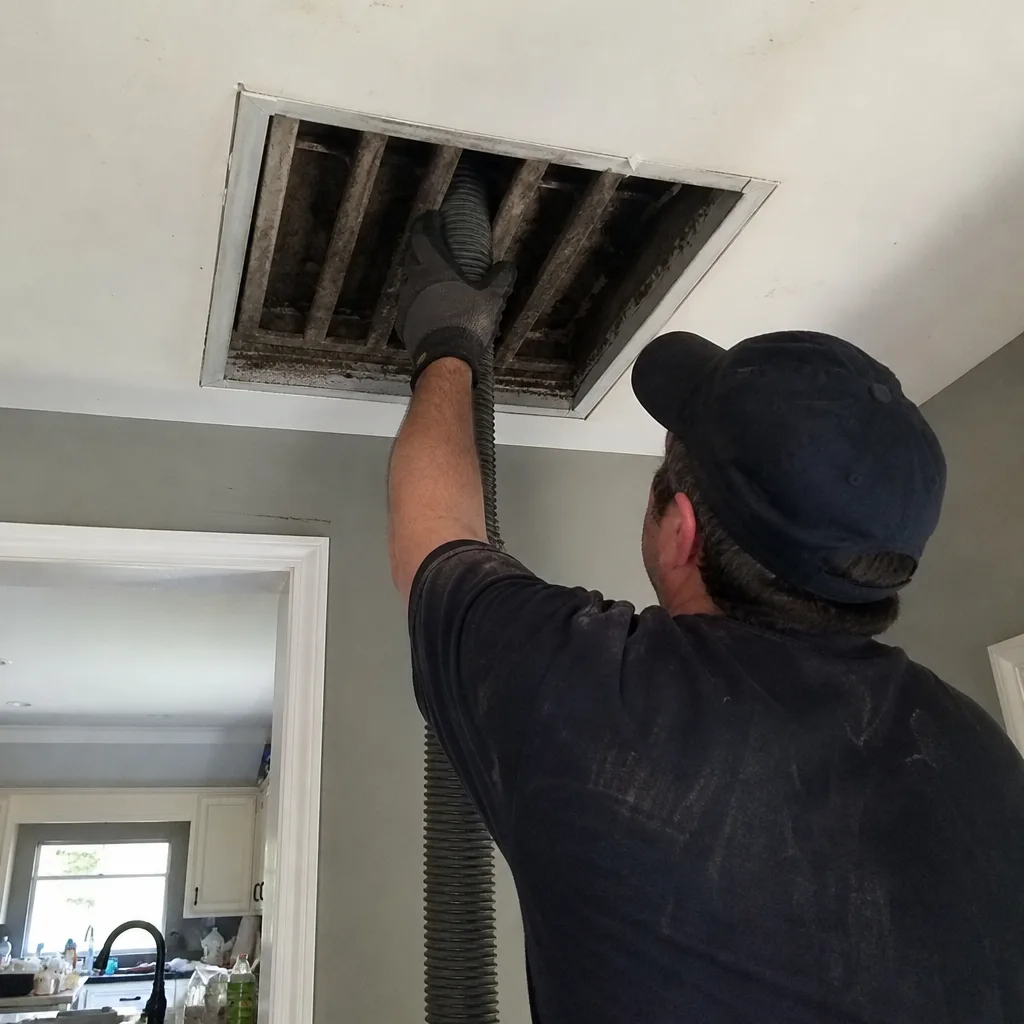 Before
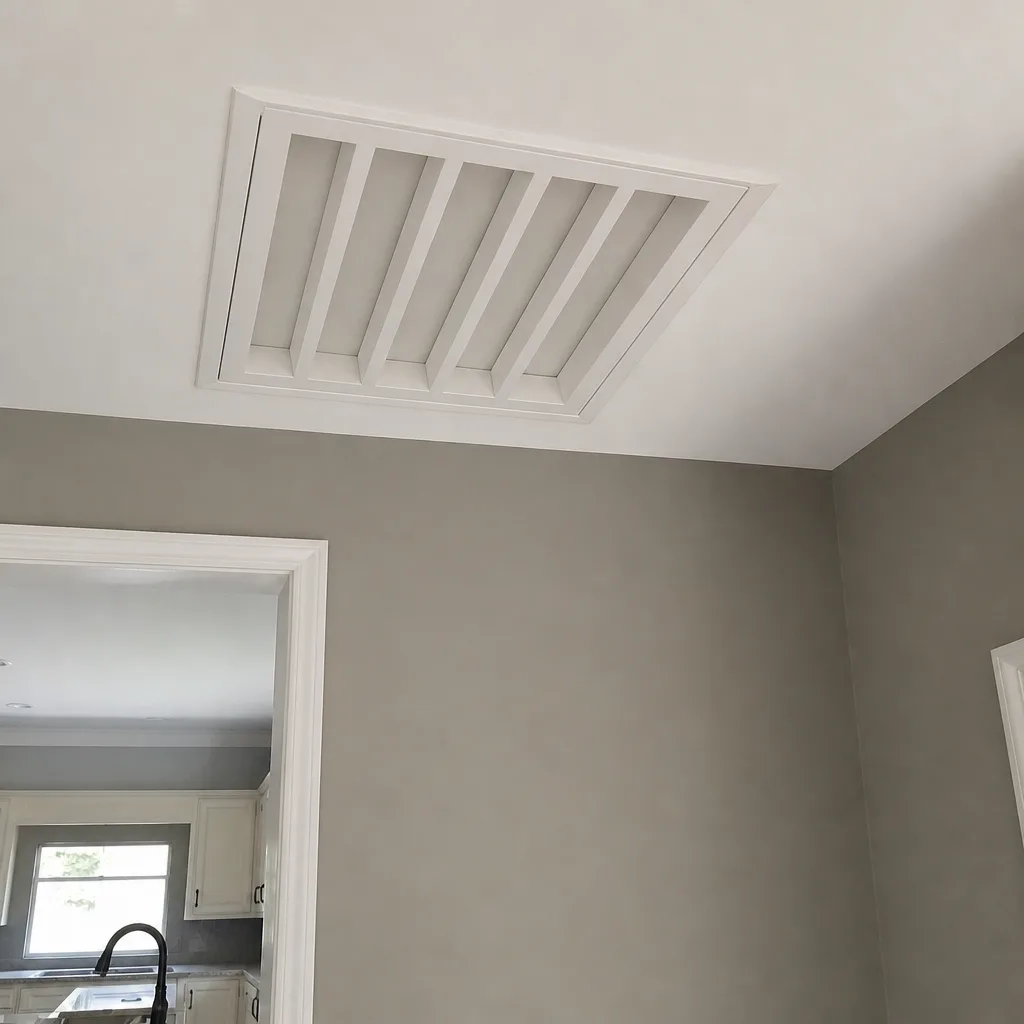 After
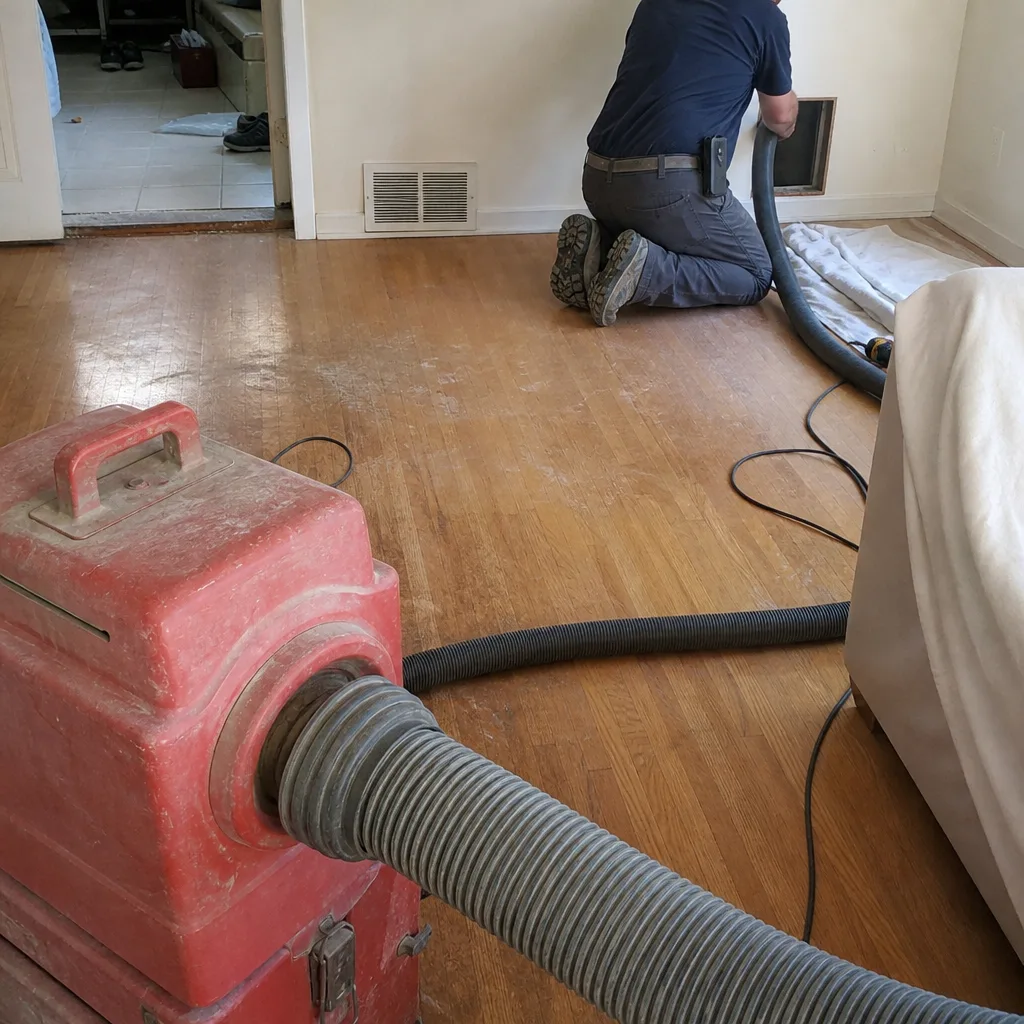 Before
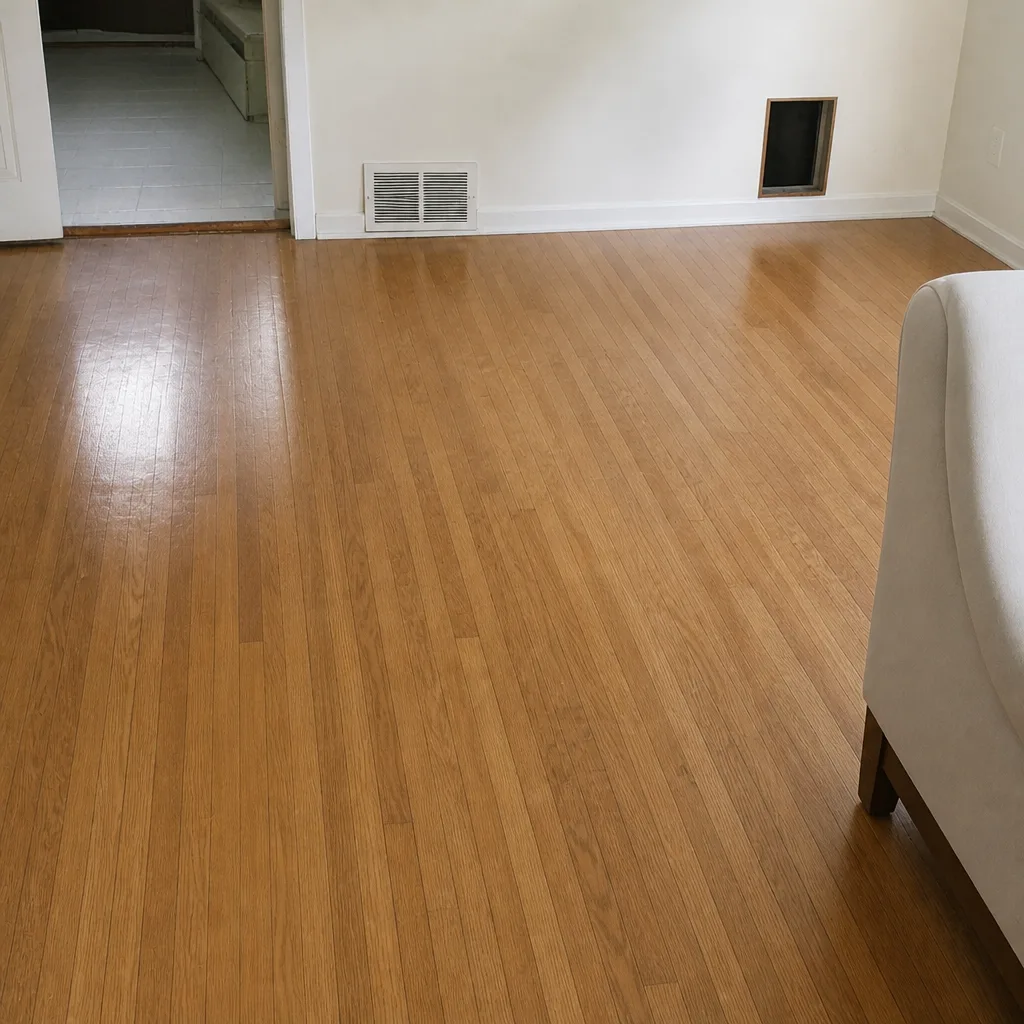 After
When to Call a Professional
Call a professional if any of these situations applies to your Tacoma home: the HVAC system was running during a wildfire smoke event or for more than a day after one, water reached the air handler, ductwork, or registers during a flooding event, you smell a musty or smoke odor from supply registers when the system cycles, or a camera inspection from a prior contractor flagged visible growth or missing duct sections. Also call if you’re managing a property and need documentation for an insurance claim after a smoke or water event. Air Duct Cleaning Tacoma Pros offers free estimates in Tacoma. Call (877) 792-6386 – we answer 24/7 with fast dispatch from 7am to 7pm, Sunday through Friday. Our technicians have up to 11 years of experience and use professional-grade Rotobrush, Nikro, and Abatement Technologies equipment on post-event jobs, with a single flat price per system agreed before any work starts.
Frequently Asked Questions
You should have the ducts inspected before turning the HVAC system back on for normal use after a smoke event settles. If the system was running during the event, schedule cleaning before you live in the house with the system circulating again, ideally within the first few days of clear air. Call (877) 792-6386 for an exact quote – estimates are free.
You can’t confirm whether the ducts got wet without an inspection, because moisture hides in flexible duct lining, duct board, and the air handler cabinet. Signs that warrant an inspection include a musty smell from supply registers, visible staining around any register, and a crawlspace or attic duct run that sat through standing water. Call (877) 792-6386 for an exact quote – estimates are free.
No. A standard residential filter captures some particulates but not the volume of fine smoke that a running HVAC system pulls through a house during an event. The better play is to shut the system down, upgrade to a MERV 13 filter temporarily, seal gaps at the air handler, and clean the ducts before resuming normal service. Call (877) 792-6386 for an exact quote – estimates are free.
Post-event duct cleaning usually involves extra inspection, HEPA containment equipment, and sometimes targeted remediation, so the estimate reflects the scope of the job rather than a fixed category premium. The written estimate sets the final price and is agreed before work starts, with one flat price per system. Call (877) 792-6386 for an exact quote – estimates are free.
A standard residential duct cleaning typically fits in a single visit, and a post-event job with inspections and sanitizing can take longer because of the additional documentation and equipment. Restoring a system after water intrusion may need multi-visit scheduling if duct sections need replacement. Call (877) 792-6386 for an exact quote – estimates are free.
Save pre-event photos of your duct layout and equipment nameplate, the last cleaning record, and post-event photos of any visible staining, wet materials, or register damage. Keep contractor inspection reports and the cleaning documentation from the work itself. A file like that moves a claim faster than a description. Call (877) 792-6386 for an exact quote – estimates are free.
Often yes, if the defects are accessible and repair materials are on hand. A disconnected run, crushed flexible duct, or a gap at the plenum can be repaired in the same visit as the cleaning in many cases. If a section needs replacement or the damage is inside finished walls, the repair gets scheduled as a follow-up. Call (877) 792-6386 for an exact quote – estimates are free.
The Bottom Line
The most important thing to remember about duct emergency preparedness is that the HVAC system is either part of the solution or part of the problem, depending on how you treat it. Shut it down during a smoke event. Inspect it within 48 to 72 hours after water intrusion. Document the system before any event so a claim and a cleanup can move quickly. When it’s time to clean, remediate, or repair, work with the same equipment commercial contractors use and get a camera inspection you can see. Tacoma homes face real smoke and water exposure each year, and the duct system is where the consequences hide after the emergency fades from the news. Air duct cleaning handled well after an event means the house is genuinely back to normal, not just visually restored.
Ready to schedule an inspection or get a written estimate? Air Duct Cleaning Tacoma Pros offers free estimates for homeowners and property managers in Tacoma. Call (877) 792-6386. We answer 24/7. Fast dispatch from 7am to 7pm, Sunday through Friday. One flat price per system, agreed before work starts, with before-and-after photos of your own ducts so you know exactly what was done.
Written by the team at Air Duct Cleaning Tacoma Pros.