
Last updated November 23, 2026
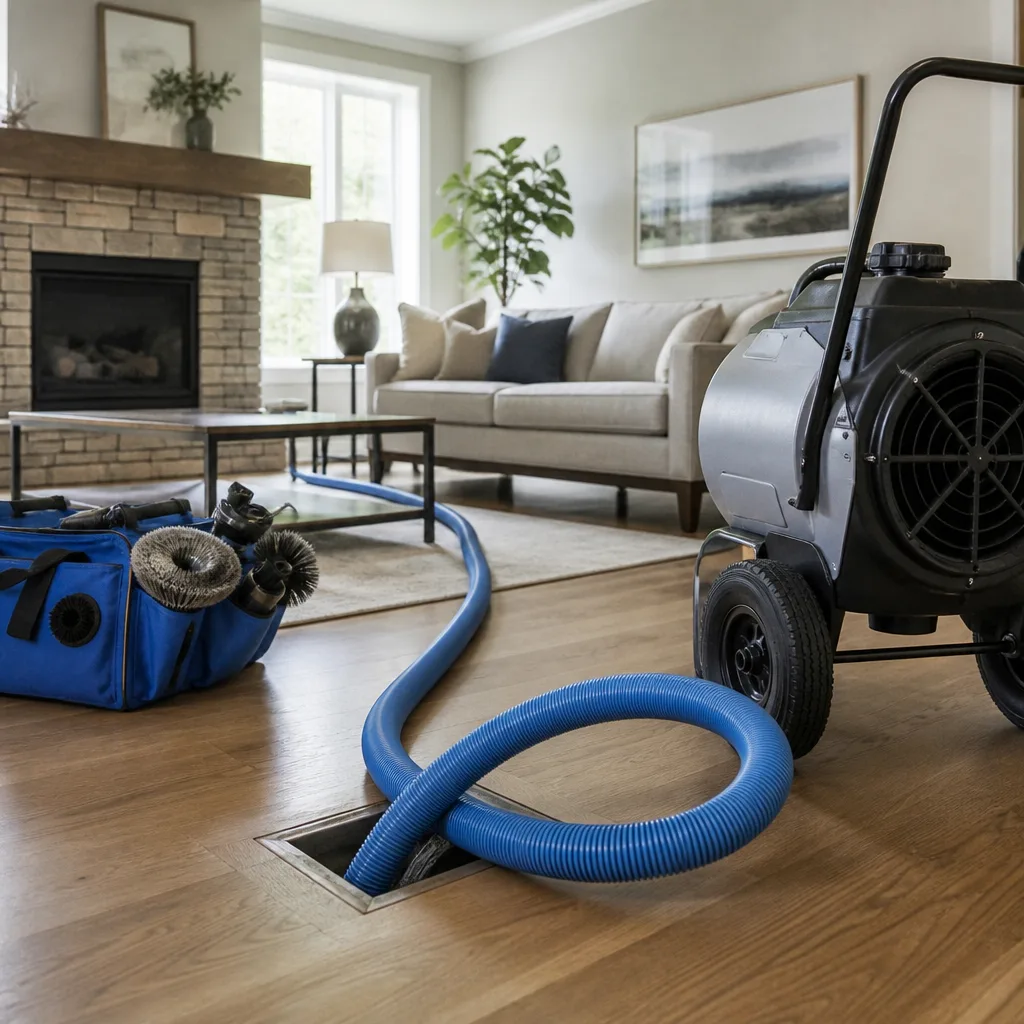 Whole-home duct cleaning
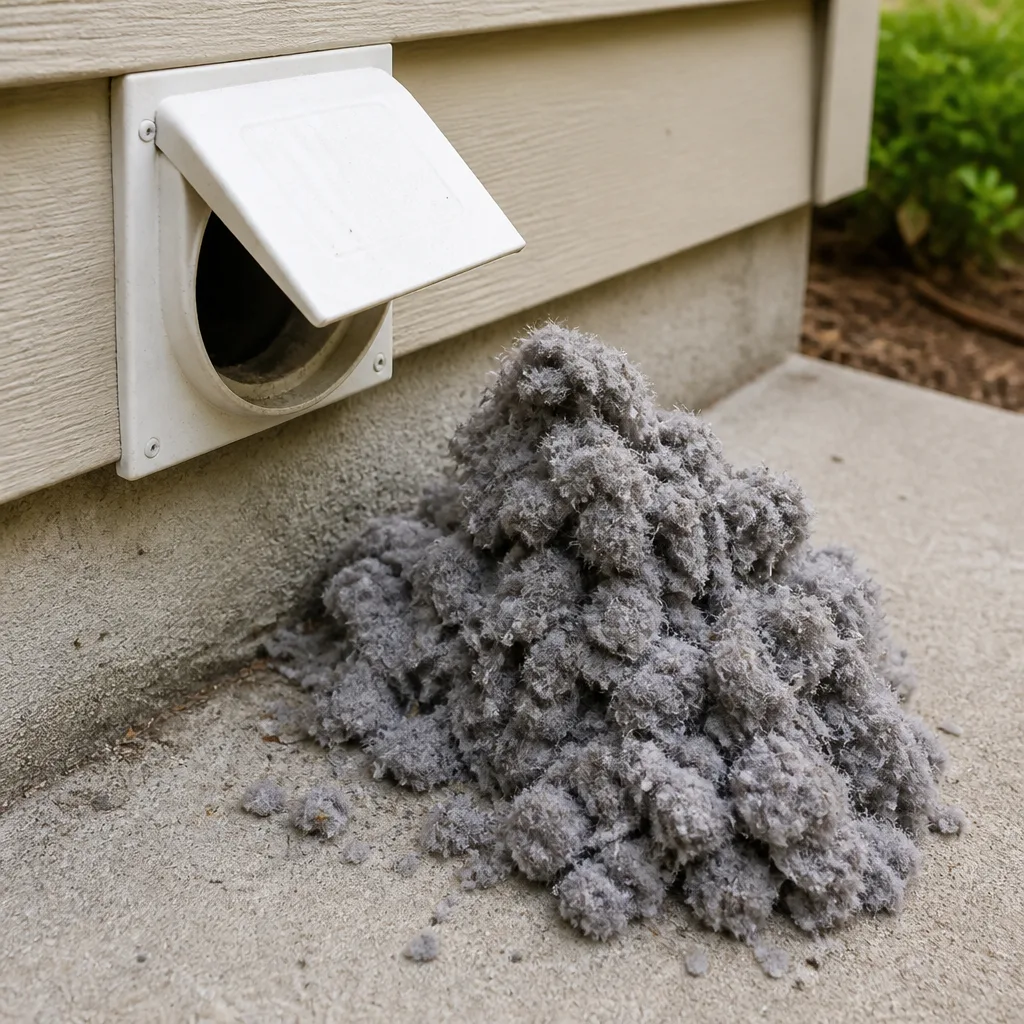 Dryer vent cleaning
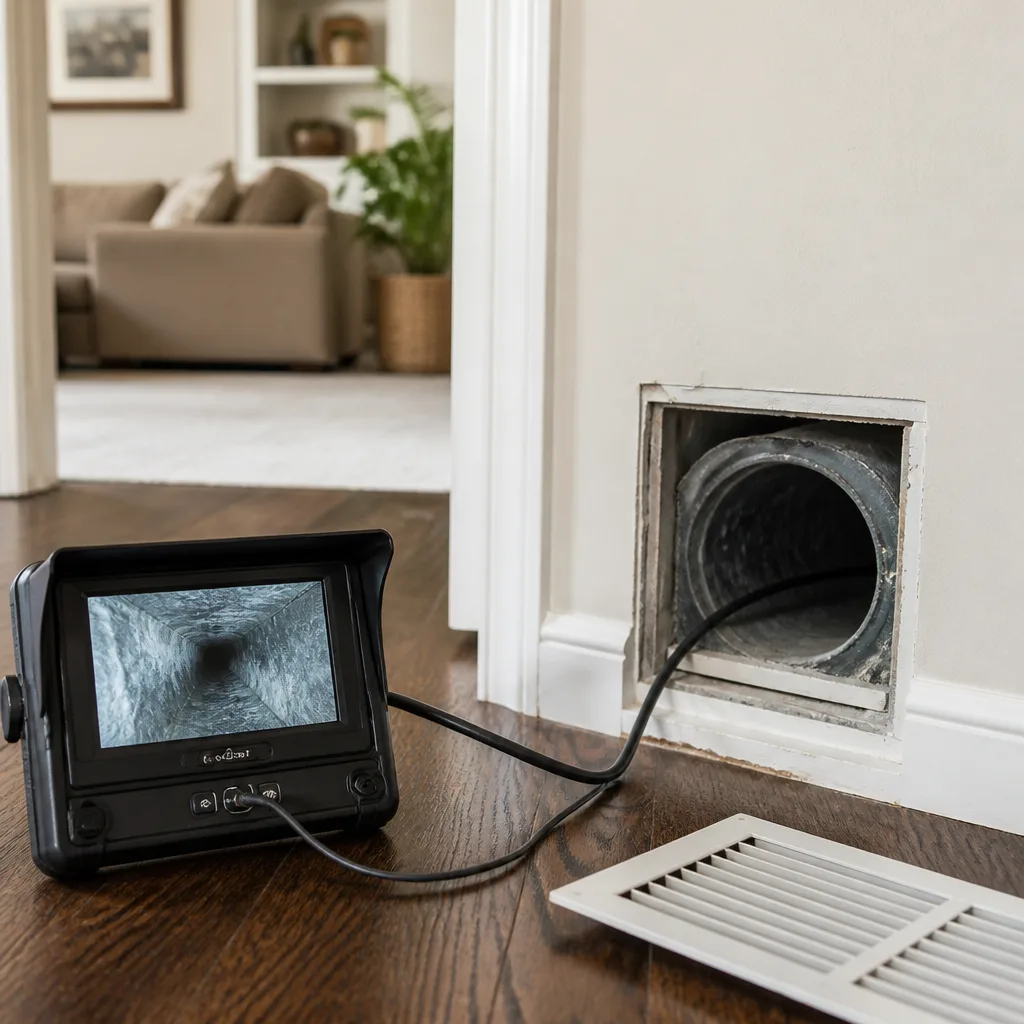 Camera inspection
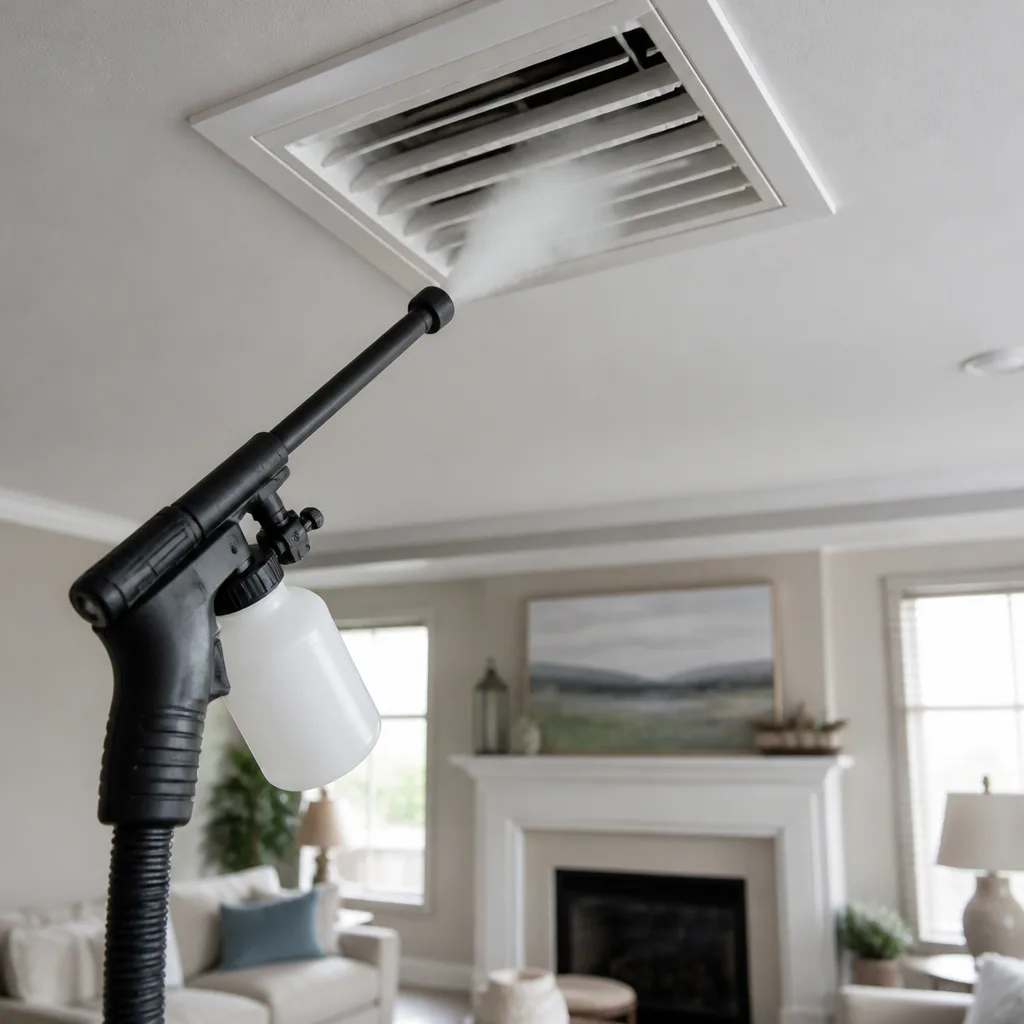 Sanitizing & deodorizing
Whole-system duct and dryer vent check with before-and-after photos - you see exactly what came out of your vents
That "$99 whole-house special" is a bait ad - the real number appears once they are in your hallway, or the "clean" is a shop-vac at the register. We photograph the inside of your ducts before and after instead.
Air Duct Cleaning Permits, Codes & Inspections in Tacoma, WA: What You Need to Know
Here’s the part most Tacoma homeowners never hear: the cleaning itself needs no permit, but the repair that a cleaning job often turns up does. The moment a contractor cuts a new access panel into your ductwork, replaces a section of trunk line, or changes how the ducts connect to your HVAC equipment, you’ve stepped out of cleaning and into a mechanical alteration that Washington State regulates. Most people don’t find that out until a home inspection surfaces it years later. This guide walks you through exactly where the line sits, how to check the contractor before you authorize anything, and what your exposure looks like if unpermitted work has already happened inside your Tacoma home.
Quick Answer
In Tacoma, routine air duct cleaning does not require a permit. Any alteration beyond cleaning, including new access panels, duct repair or replacement, resealing that changes the system layout, or a modification to your HVAC connections, generally falls under the Washington State Mechanical Code and requires a mechanical permit through the city. Always confirm the contractor’s Washington L&I registration before work begins.
Styles & brands we work with
- Whole-home duct cleaning
- Dryer vent cleaning
- Camera inspection
- Sanitizing & deodorizing
Table of Contents
- Cleaning vs. Repair: Where the Permit Line Actually Sits
- When Duct Sealing Triggers a Tacoma Permit
- How to Verify a Contractor’s L&I Registration in Washington
- Your Liability If Unpermitted Work Is Discovered Later
- The Tacoma-Pierce County Health Department and Indoor Air Complaints
- Why Tacoma’s Climate Makes Duct Condition Matter More
- A Homeowner’s Inspection Checklist Before and After the Job
- Common Mistakes to Avoid
- When to Call a Professional
- Frequently Asked Questions
Cleaning vs. Repair: Where the Permit Line Actually Sits
This is the distinction that matters, and it’s the one that gets blurred the most in contractor conversations. Cleaning is maintenance. Repair is construction. They follow different rules.
When a technician runs a Rotobrush system through your existing ducts, pulls out debris with negative air pressure, and reattaches a register cover, nothing structural has changed inside the system. That’s cleaning-only scope. It needs no permit because it doesn’t alter the system. The Washington State Mechanical Code governs the installation, alteration, replacement, and repair of mechanical systems, not their cleaning.
Where the line shifts is the moment the duct system’s shape, layout, or connection to the HVAC equipment changes. That’s the crossover. Here’s how it breaks down:
- Cleaning-only (typically no permit): brushing and vacuuming existing duct runs, cleaning registers and grilles, cleaning the air handler and coils as part of HVAC cleaning, sanitizing existing duct interiors with an approved product.
- Repair or alteration (permit usually required): cutting new access panels into ductwork for cleaning or service access, replacing a damaged section of duct, extending a run to serve a new register, reconnecting ductwork to a new or relocated air handler, or changing duct sizes to meet a load calculation.
The most common gray area in Tacoma homes is the access panel. A contractor who can’t get a camera or a brush into a tight trunk line may want to cut an opening. That’s a reasonable, sometimes necessary step, but it changes the duct system. It’s also the exact type of work that should be reflected in a permit when it goes beyond a simple service port. When a contractor proposes cutting into your ducts, ask a direct question: is this repair or cleaning access, and does it need a permit? A professional will give you a straight answer. If the answer is evasive, that’s your signal to slow down.
When Duct Sealing Triggers a Tacoma Permit
Sealing is the trickiest of the bunch because it looks and feels like a cleaning-job add-on, and sometimes it is. The dividing line is whether the sealing changes the system’s configuration or just patches existing joints.
If a technician brushes mastic or applies approved seam sealant to the joints that are already there, just to tighten up leaks found during cleaning, that’s typically maintenance. It doesn’t change how your system is laid out or how it connects to the equipment. But the picture shifts when sealing crosses into repair:
- Sealing a duct that has physically separated and repositioning the sections so they reconnect is repair, not maintenance.
- Adding new duct sections or a transition fitting to complete a seal is an alteration.
- Sealing that changes the air balance across the system (for example, adding dampers or combining runs) generally requires a mechanical permit.
- Sealing penetrations through structural assemblies (floors, ceilings, exterior walls) may also engage other codes and should be clarified by the city’s building department.
We run duct repair and sealing as a core service because sealing only works when it starts with the actual failure. A separated joint behind a ceiling bay or a crushed flex run behind a finished wall isn’t fixed by a coat of mastic on the accessible section. The underlying point stands, though: homeowners should know exactly what the sealing scope covers. Once the work moves beyond surface leak-sealing to reconnecting or reconfigured ductwork, ask about permits.
How to Verify a Contractor’s L&I Registration in Washington
Washington State requires any contractor doing construction or repair work for pay, including mechanical and HVAC work, to be registered with the Department of Labor & Industries. Registration covers a bond and insurance record, and it’s the first fact to verify before you authorize any work beyond cleaning. Verification is fast and free.
- Ask the contractor for their Washington contractor registration number before any work is scheduled. A professional gives it without hesitation.
- Look up the number on the L&I contractor verification tool on the state’s website. The record shows registration status, bond, and insurance currency.
- Confirm the registration is active and current, not expired or suspended.
- Ask for proof of insurance tied to the same entity, and confirm the certificate is still valid for the work date.
- Cross-check the business name on the estimate against the name on the L&I record. If they don’t match, ask why.
- For anything beyond cleaning, ask in writing who will pull the mechanical permit and who is responsible for the inspection. The answer should be a licensed contractor, not the homeowner.
This takes ten minutes and closes the biggest gap in the industry. Because we connect homeowners to independent local professionals rather than running our own crews, we’re careful about one thing on our end: the local pro is licensed and registered as their state requires, and we say so without pretending to be them. We use professional-grade equipment from Rotobrush, Abatement Technologies, and Nikro because that’s the standard the work deserves, but equipment doesn’t replace registration. Both matter, and both are checkable.
Your Liability If Unpermitted Work Is Discovered Later
If unpermitted mechanical work is discovered during a future home sale inspection in Tacoma, the homeowner carries most of the exposure. That’s the part that catches people off guard: the contractor who did the work isn’t the one who has to disclose it. You are.
What that exposure looks like depends on the extent of the work and what the city requires to bring it into compliance. In general, expect one or more of the following:
- Disclosure requirements. Sellers in Washington must disclose known material defects and known code violations. Unpermitted alterations can end up in that conversation whether you intended them to or not.
- Permit and inspection cost. If the city requires the work to be brought into compliance, that involves a permit application, possible plan review, and an inspection, all typically on the seller’s timeline.
- Cure or credits during negotiation. A buyer’s inspector or lender may require the work to be corrected before closing, which affects price or requires a credit at the table.
- Potential corrections. Work performed without a permit and without inspection may need to be opened up, verified, or redone to meet the code.
The clean way to avoid this is to keep the paper trail. If a contractor pulls a permit, you have a record. If they don’t and shouldn’t have had to, you should have the written scope in hand that says so. That written scope is the artifact that protects you. Keep your estimate and any permit records with your home documents. When we work with homeowners in Tacoma, we keep job scopes in writing exactly for this reason.
The Tacoma-Pierce County Health Department and Indoor Air Complaints
The Tacoma-Pierce County Health Department handles indoor air quality complaints when they involve a hazard, not just a preference. That’s the key distinction. A homeowner who dislikes dust accumulation is dealing with a maintenance issue. A homeowner concerned about something like mold growth, pest contamination in the duct system, or an unpermitted fuel-burning appliance giving off combustion byproducts is dealing with something a health department might want to know about.
Where the health department becomes relevant, in general terms:
- Mold or moisture problems that appear to be building-related and persistent, especially where they affect livable space.
- Combustion appliance concerns that involve carbon monoxide risk, which is a life-safety issue, not a cleaning one.
- Pest or vermin contamination inside an HVAC system that the property owner can’t resolve.
- Landlord-tenant disputes over indoor conditions, where a health department inspection may be the required next step.
For a general cleaning question, the health department is not the right call. For a suspected contamination or life-safety issue, it may be. If the problem is post-cleaning contamination or lingering odors afterward, sanitizing the system with professional product is the routine answer, and that’s why we run an air quality and sanitizing service alongside duct cleaning. When a concern is beyond cleaning (for example, suspected mold growth in the building envelope or a fuel appliance issue), the health department or a qualified inspector should be involved, and we’ll say so plainly.
Why Tacoma’s Climate Makes Duct Condition Matter More
Tacoma sits in a marine climate with a wet cool season and dry summers. That pattern has a specific effect on ductwork: it creates the conditions for moisture intrusion at the points where ducts pass through unconditioned spaces like attics, crawls, and rim areas. A small leak at a poorly sealed attic duct run may go unnoticed during the dry months and only show up as condensation inside the duct when cooler, damp outdoor air meets the indoor air in the system.
Two consequences follow. First, moisture in a duct system is the perfect environment for biological growth, which is the exact scenario where a cleaning turns into a repair. Second, Tacoma’s older housing stock includes many homes with older flex duct, deteriorated duct wrap, or duct runs that were sealed with decades-old tape that has long since failed. These are the ducts most likely to be found damaged beneath what looked like a simple cleaning job.
That’s why, in our experience, the most useful thing a homeowner can do before a cleaning is ask two questions: what condition are the ducts in, and what (if anything) needs repair before cleaning can actually do its job? Clean ducts over a leaking or separated duct run don’t stay clean. The moisture comes back, the contamination comes back, and the cleaning turns into a repeating cost. In a climate like Tacoma’s, duct repair and sealing isn’t a bonus service; it’s often the step that makes the cleaning meaningful. Homes on the city’s older street grids, from North Tacoma to the Eastside and South End, tend to have the most original ductwork, which makes the condition question especially relevant.
A Homeowner’s Inspection Checklist Before and After the Job
A cleaning job, done right, should leave a paper trail and visible evidence. Here’s what we recommend checking before and after work in a Tacoma home.
- Before the job: ask for the written scope. It should say exactly what’s being cleaned, what’s being repaired, and whether any permit is involved. Vague scopes are the source of most later disputes.
- Before the job: confirm the contractor’s L&I registration. Confirm the name on the estimate matches the name on the registration.
- Before the job: photograph the accessible registers and any visible ductwork. You’ll want these for a before-and-after comparison.
- Ask for before-and-after photos of your own duct interiors, not stock images. A professional-grade system like Rotobrush or Abatement Technologies includes camera views that can be photographed.
- During the job: if the contractor proposes a repair beyond cleaning (access panel, section replacement, reconnect), stop and ask whether a mechanical permit is required and who is responsible for it.
- After the job: check that all registers are properly reattached and that no visible duct material was left exposed or open in the attic or crawl.
- After the job: store the written scope, photos, and any permit records with your home documents for future reference.
None of this is complicated. It’s the small routine that keeps a cleaning job from becoming a home-sale surprise later.
What Inspectors Typically Look for in Tacoma Duct Systems
Home inspectors in Tacoma tend to look at the same handful of things when they examine a duct system, and knowing what they look for helps you know what to check yourself before a sale or after a cleaning. The inspection is usually visual and limited to what’s accessible, so what they can see matters.
- Access panel cutouts that look like field installations. If a panel was cut without the system being altered to accommodate it, the inspector will note it as an alteration question for the seller.
- Duct connections to the air handler. A duct that was reconnected after cleaning and not resealed properly shows up as a leak or a detached run.
- Flex duct condition. Crushed, kinked, or sagging flex duct runs are common findings in older Tacoma homes and are often cited as a maintenance issue rather than a code violation.
- Improper mastic and tape. If seals were applied over dirt or in the wrong joints, the inspector may flag it as amateur-grade work.
- Open duct ends in unconditioned space. Any duct run that terminates without a register or cap is a red flag for the whole system.
- Pest entry points. Ductwork that isn’t sealed at the exterior penetrations is a common point of failure in Tacoma’s older homes.
If the inspector flags a duct alteration as a possible code issue, the next step is to request the permit history from the city’s building department. If the work was done without a permit, the homeowner will typically have to decide whether to pursue retroactive permitting or to disclose the situation. That’s a conversation to have with a licensed contractor and, ideally, with the city before the sale closes.
Whether You Need a Permit for the Cleaning Itself
For routine air duct cleaning in Tacoma, no permit is required. That includes cleaning the supply and return ducts, registers, grilles, and the air handler interior, and it includes the handling of debris and the sanitizing of the duct interiors in the process. It also includes dryer vent cleaning, since dryer vents are cleaned but not modified unless the vent is being replaced or rerouted.
The permit question turns on whether the work changes the mechanical system. Clean-and-restore is maintenance. Repair and alteration are not. The exact same technician can do both, so the correct way to think about it is not “which contractor am I calling” but “which scope have I authorized.” The written scope is the deciding document, and it should be reviewed carefully before any work begins.
See the difference
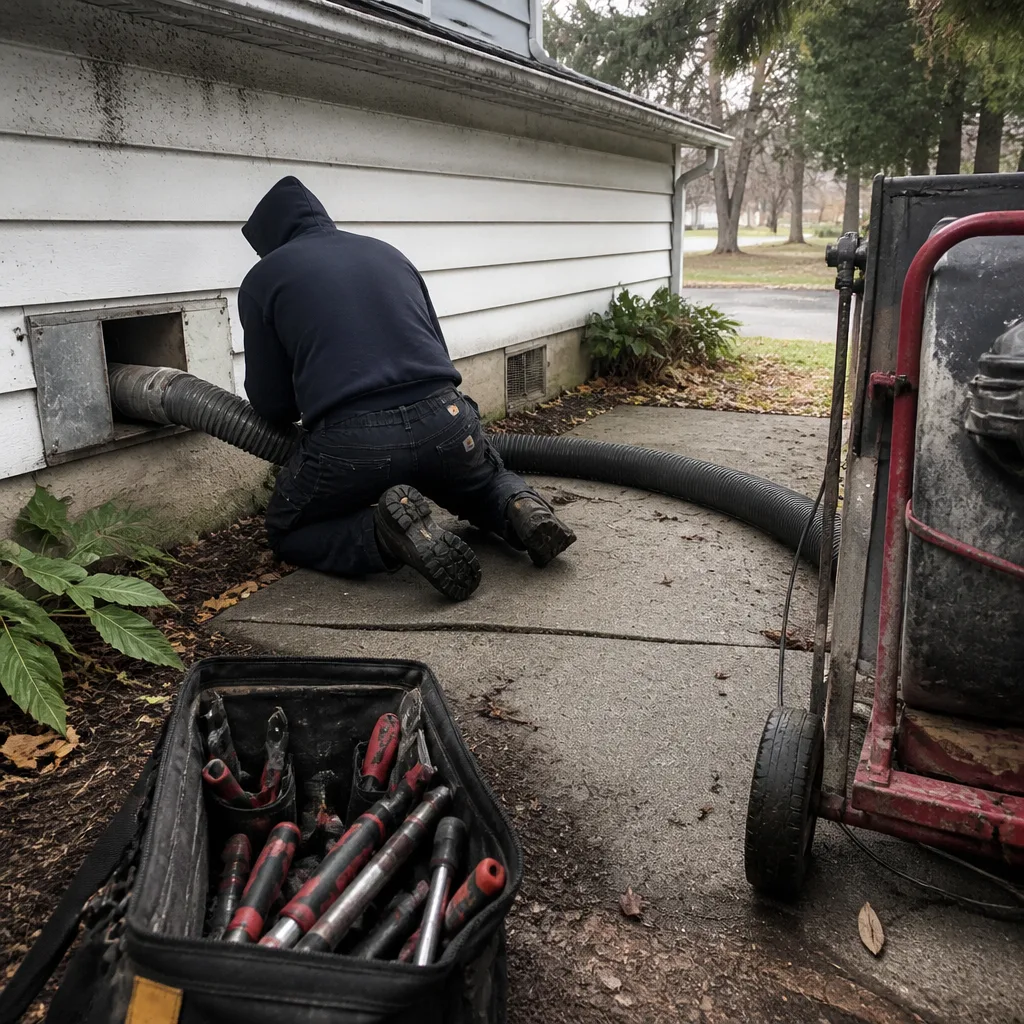 Before
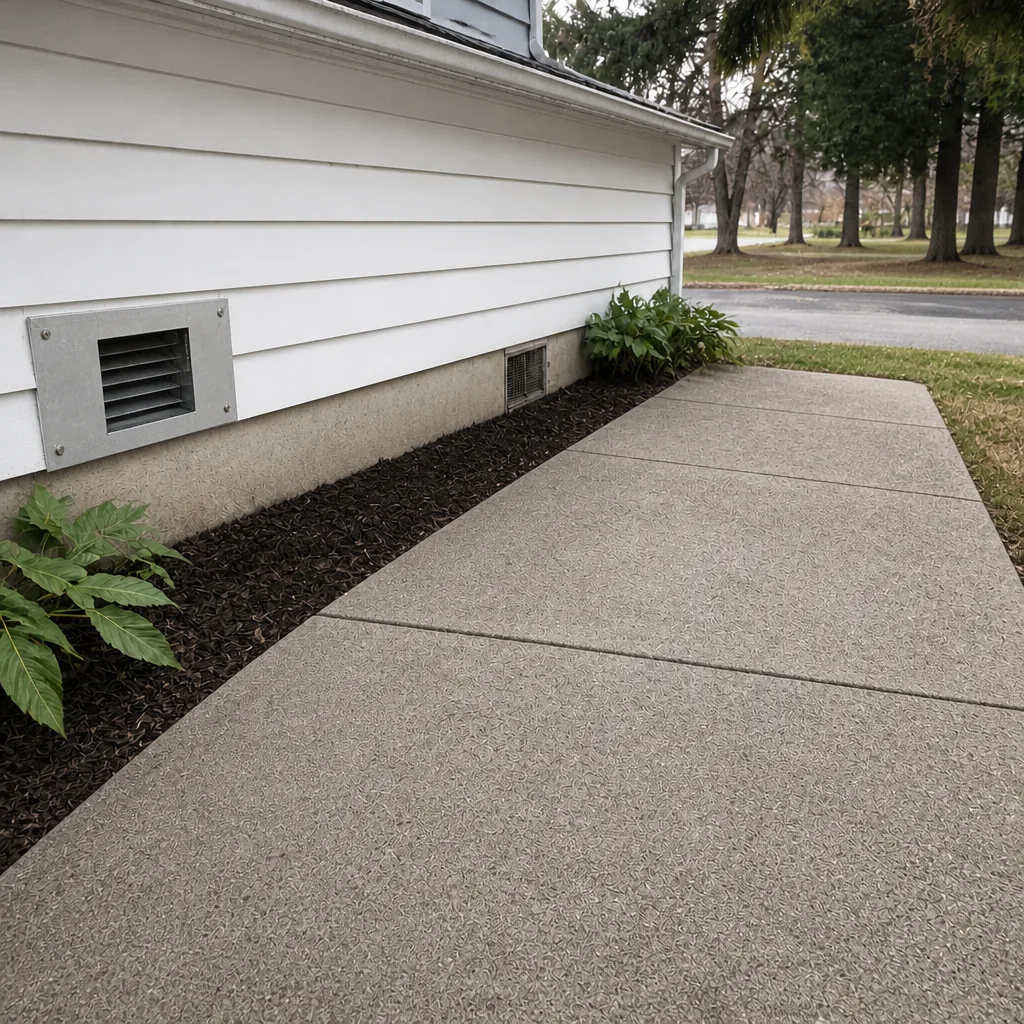 After
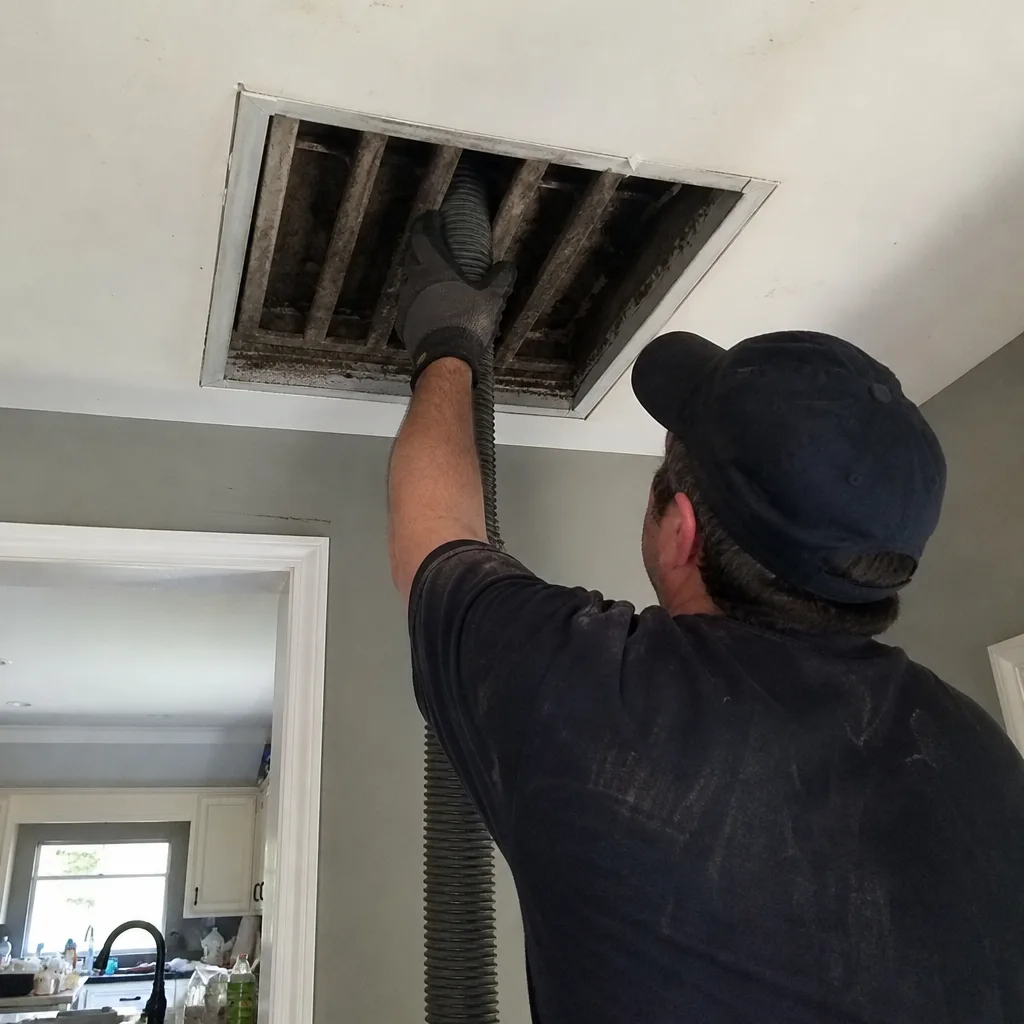 Before
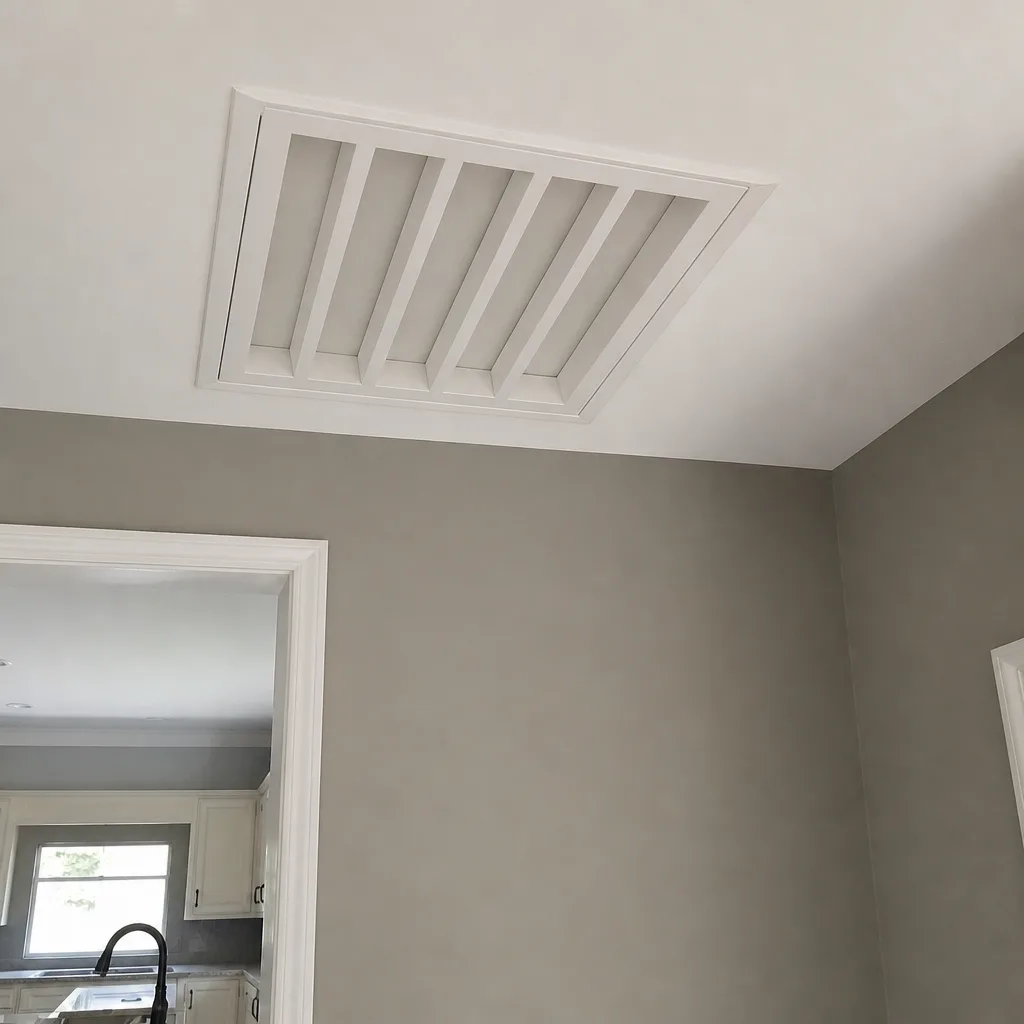 After
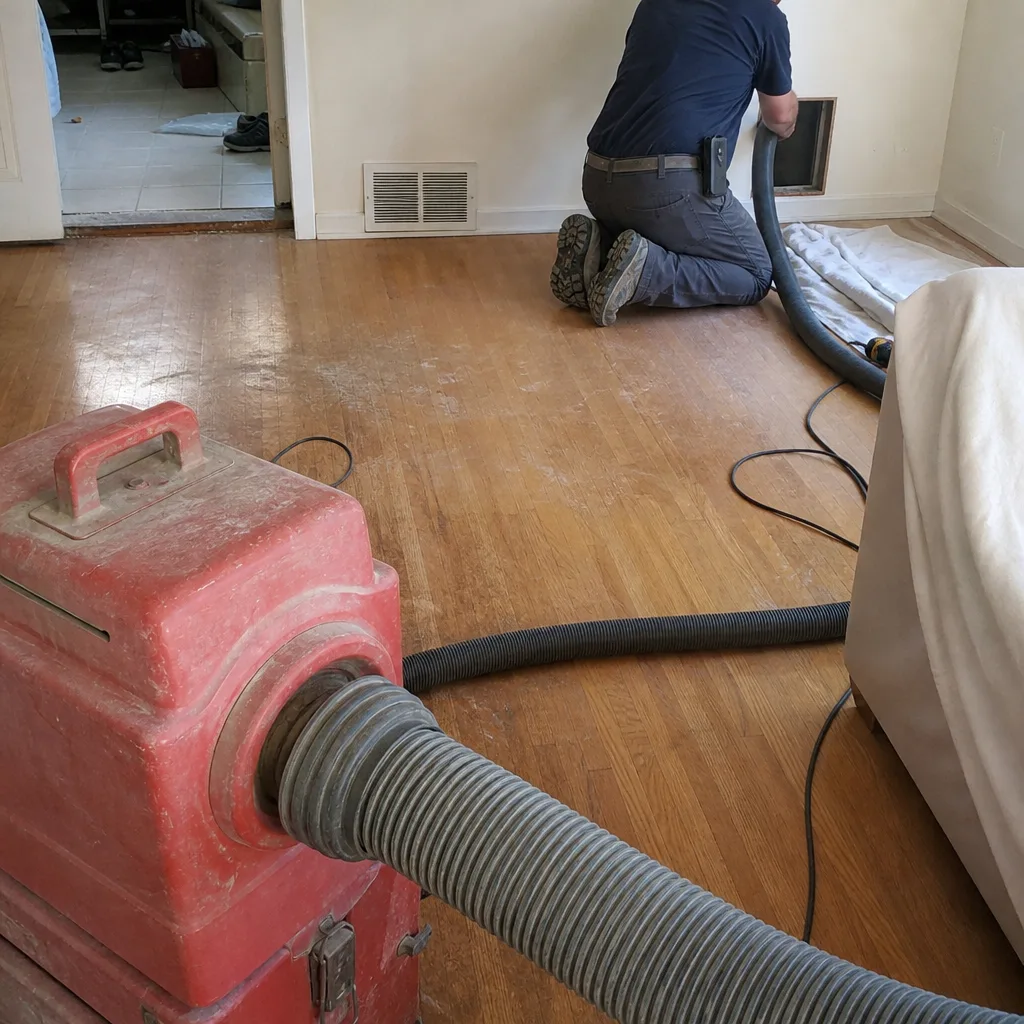 Before
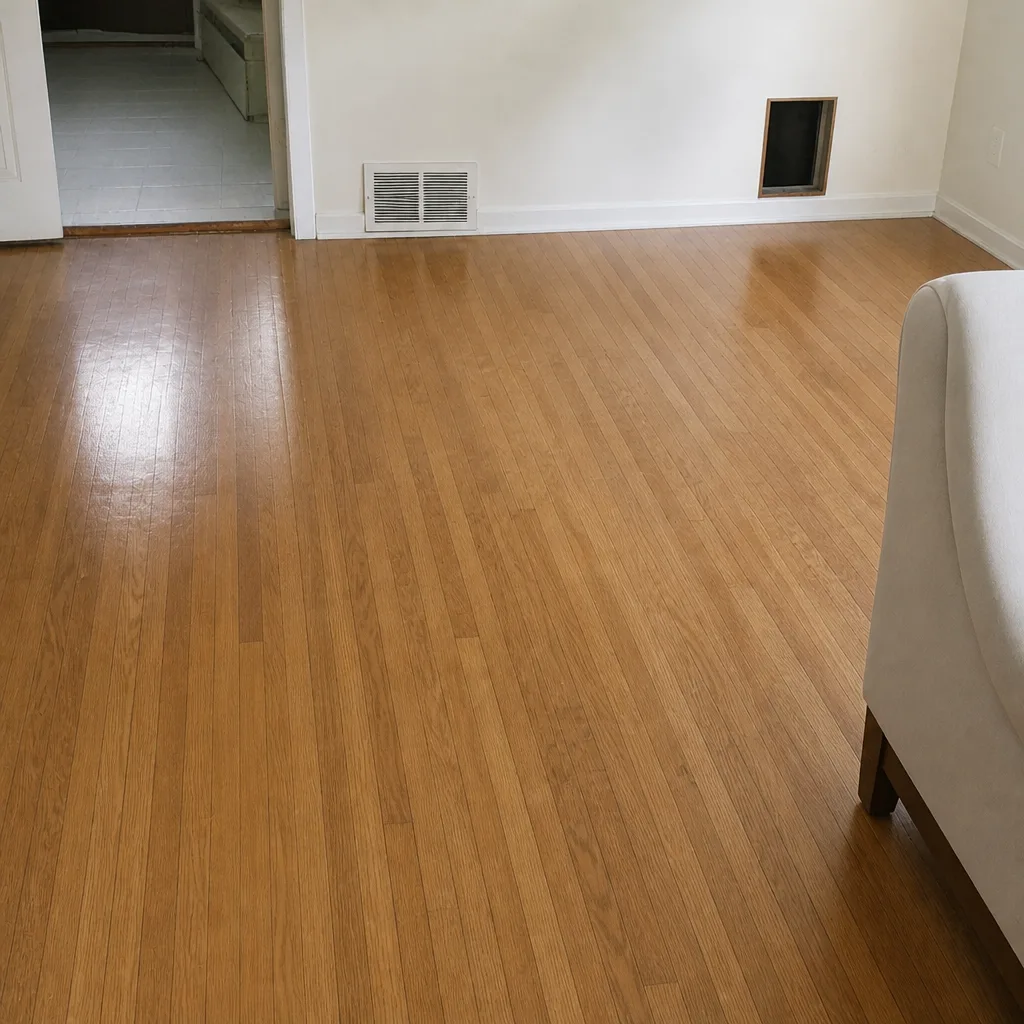 After
Common Mistakes to Avoid
- Confusing a cleaning quote with a repair disclosure. A cleaning estimate that doesn’t mention condition can still lead to a repair proposal on the day. Ask about condition before work begins, not after.
- Authorizing an access panel without asking about a permit. An access panel is a small step, but it’s still an alteration to the duct system. Ask whether it’s cleaning access or a code-regulated change.
- Skipping the L&I check because the estimate was cheap. The registration is free and public. An unregistered contractor costs more in exposure than any discounted bid saves.
- Accepting a verbal scope. In Tacoma, the written scope is what protects you later during a home inspection. Get every promise in writing.
- Assuming the health department is the first call. The Tacoma-Pierce County Health Department handles contamination and life-safety complaints. A general cleaning question is a contractor question, not a health department one.
- Believing duct sealing during a cleaning is always maintenance. Simple seam sealing usually is. Reconnecting or reconfiguring ductwork is not, and it can require a mechanical permit.
- Letting a cleaning proceed over ducts that are visibly failing. Cleaning a separated, crushed, or moisture-damaged duct just re-contaminates the system. The ducts need to be repaired first, then cleaned.
When to Call a Professional
Call a professional when the ducts haven’t been cleaned in years and you’re seeing visible dust blow from the registers, when allergy symptoms seem tied to turning the HVAC on, when you’ve had a renovation that filled the system with drywall dust, or when a home inspection has raised a code or condition question. Call before you authorize anything beyond a simple cleaning if the scope is unclear. And call when you suspect a duct has separated, been crushed, or been damaged by pest activity, because cleaning won’t fix it and a repair scope will need to be defined.
Air Duct Cleaning Tacoma Pros offers free estimates in Tacoma. We use professional-grade equipment and carry the full scope of air quality services, so one call covers your air system from assessment through cleaning, dryer vent cleaning, duct repair and sealing, and post-cleaning sanitizing. Call (877) 792-6386. We answer 24/7. Fast dispatch from 7am to 7pm, Sunday through Friday.
Frequently Asked Questions
No. Routine air duct cleaning in Tacoma does not require a permit because it doesn’t alter the mechanical system. Cleaning the ducts, registers, and air handler return is maintenance. Any repair, access panel cut, duct replacement, or modification to how the ducts connect to the HVAC equipment generally falls under the Washington State Mechanical Code and typically requires a mechanical permit. Call (877) 792-6386 for a free estimate that defines the scope in writing.
It depends on the sealing scope. Applying mastic or approved sealant to existing joints to tighten leaks found during cleaning is usually maintenance and typically doesn’t need a permit. Reconnecting a separated duct, replacing a section, or adding a transition that changes the system layout is an alteration that generally does require a permit. When the contractor proposes sealing, ask which of these it is, and get the answer in writing. Call (877) 792-6386 to discuss a sealing scope before work begins.
Ask for the contractor’s Washington contractor registration number and verify it through the Department of Labor & Industries contractor verification tool. Confirm the registration is active and current, confirm the business name on the estimate matches the name on the registration, and ask for proof of insurance for the work date. This step takes about ten minutes and is the single fastest way to reduce your exposure. For an estimate in Tacoma, call (877) 792-6386.
The disclosure falls on you as the seller. Washington requires sellers to disclose known material defects and code violations, and unpermitted work can surface in a buyer’s inspection and lender review. Consequences can include permit and inspection costs to bring the work into compliance, buyer negotiations or credits, and possibly opening up the work to verify condition. The best protection is the written scope and permit record you kept from the original job. Call (877) 792-6386 to talk through what your scope should look like.
The health department becomes relevant when the concern is a hazard, not a maintenance preference: suspected mold growth affecting livable space, pest or vermin contamination inside the HVAC system, landlord-tenant disputes over indoor conditions, or a ventilation or combustion-appliance safety concern. A general cleaning question is a contractor question, not a health department one. If the concern is post-cleaning contamination, sanitizing the system is the routine next step. Call (877) 792-6386 for a free estimate on air quality and sanitizing in Tacoma.
Cleaning a dryer vent does not require a permit. Replacing or rerouting a dryer vent, especially where it changes the length of the run or how it terminates outside, is an installation or alteration and generally requires a permit through the city. Cleaning a dryer vent is one of the regular services we handle alongside air duct cleaning. Call (877) 792-6386 for a free estimate and a written scope before any vent repair work is authorized.
The Bottom Line
The rule to remember in Tacoma is simple: cleaning doesn’t need a permit, but the repair that often accompanies a cleaning may. The written scope is the single most important document in the job. Ask for it before work begins, keep it after the job is complete, and make sure it states clearly whether any permit is required and who is pulling it. Verify the contractor’s L&I registration before you authorize any work beyond cleaning. If the ducts are old, damaged, or bearing moisture, address the repair first, then clean. And if a home inspection or health concern raises a duct question, get it looked at before it becomes a home-sale problem. We work with professional equipment and can assess, clean, and repair in one visit, and our estimates are free. Call (877) 792-6386 for a written, no-pressure scope in Tacoma.
Written by the team at Air Duct Cleaning Tacoma Pros.