
Last updated November 23, 2026
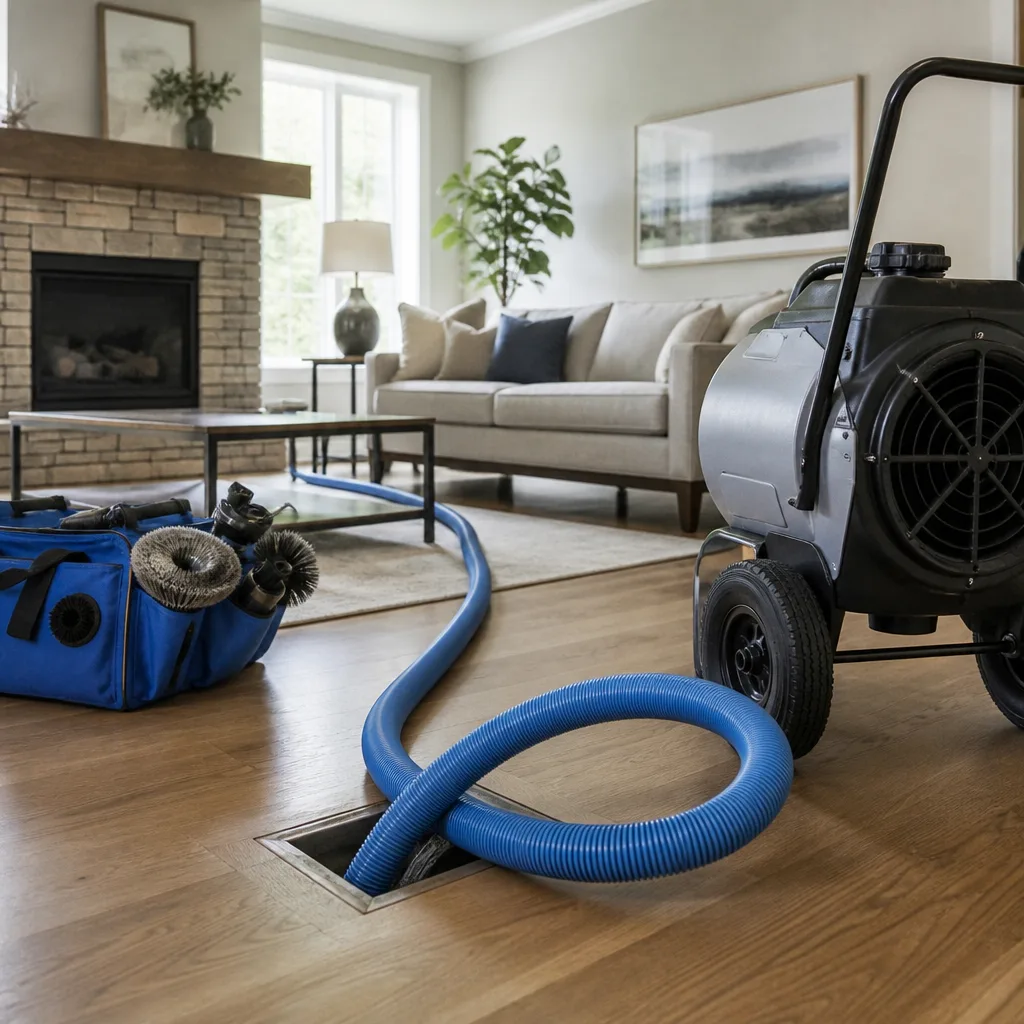 Whole-home duct cleaning
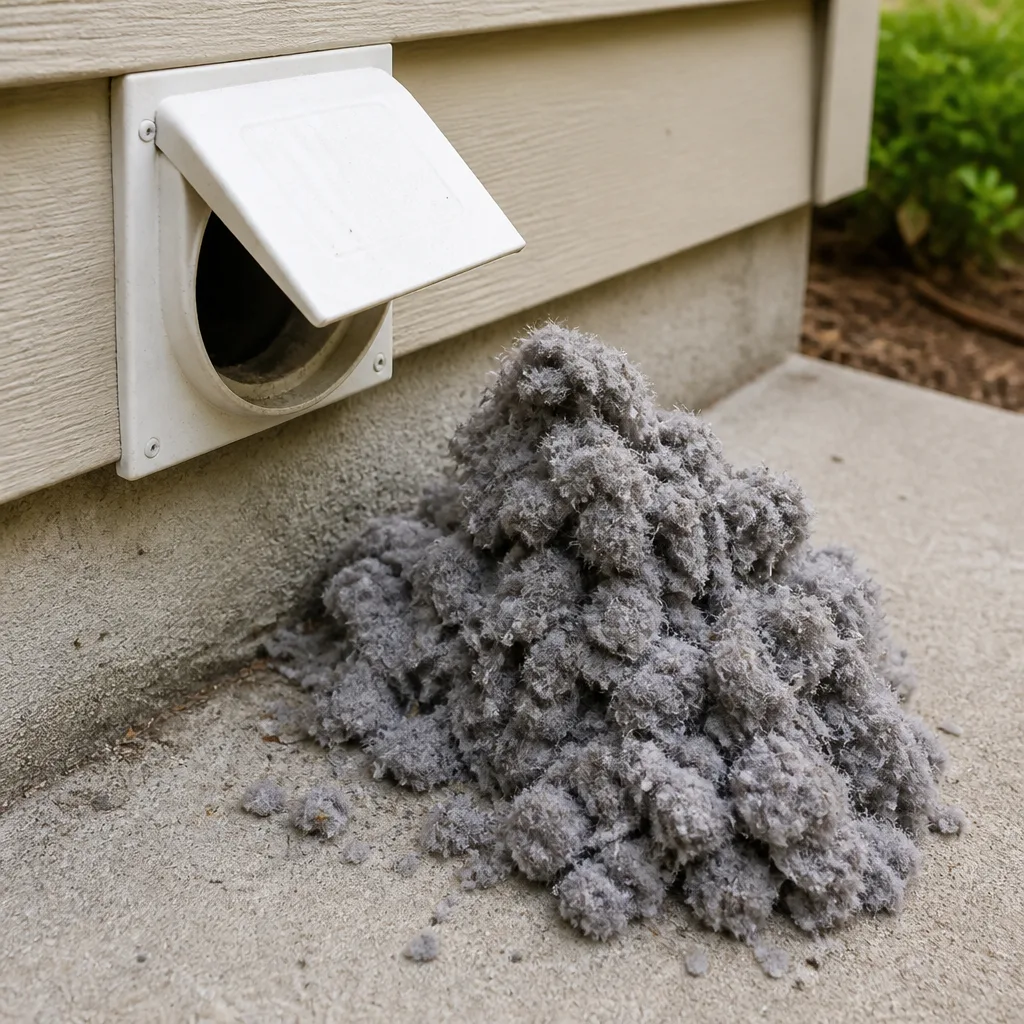 Dryer vent cleaning
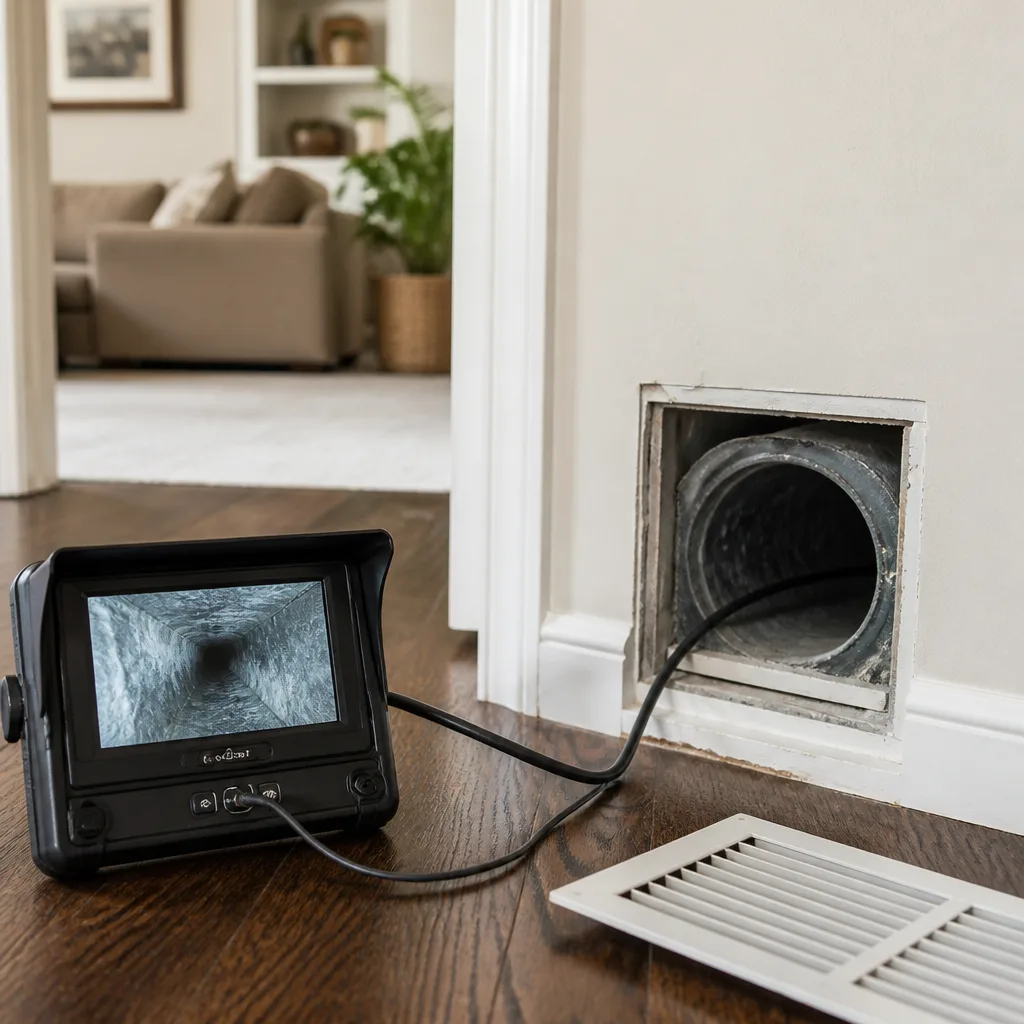 Camera inspection
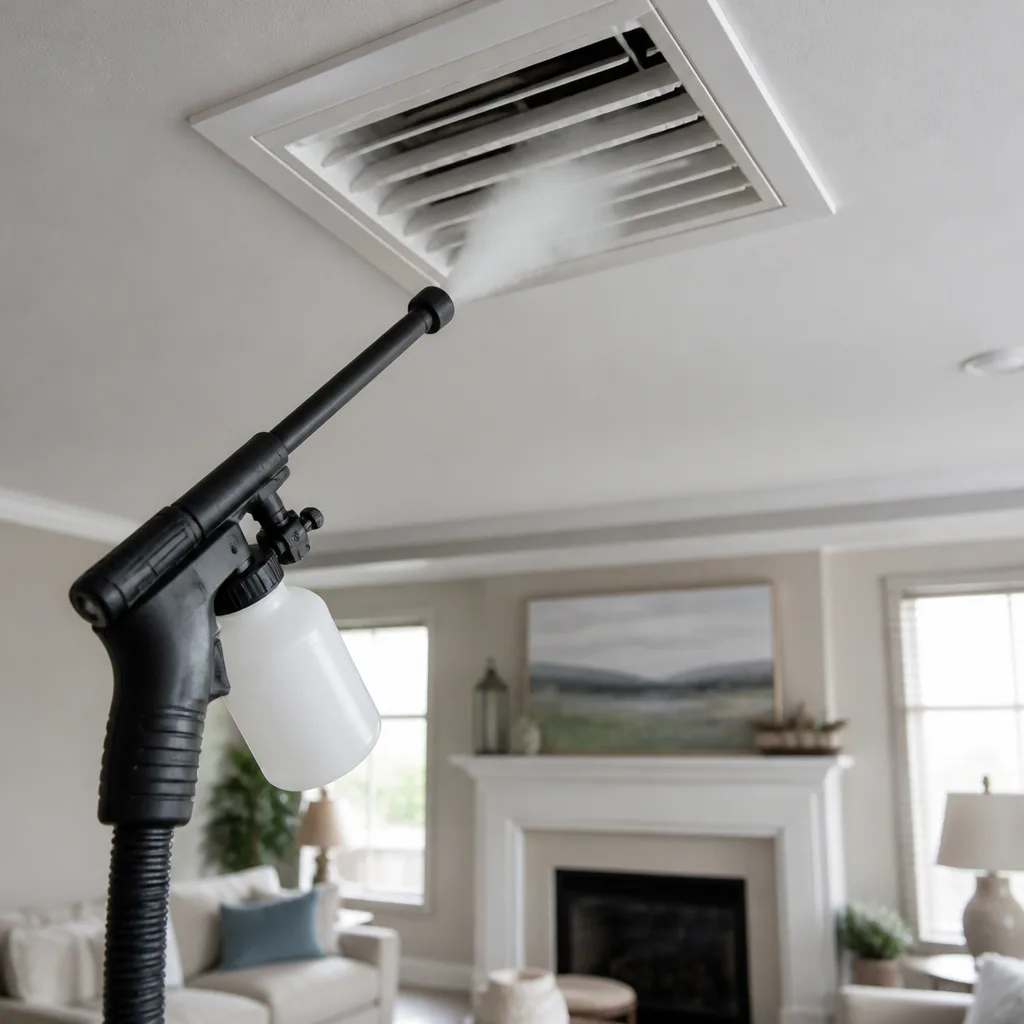 Sanitizing & deodorizing
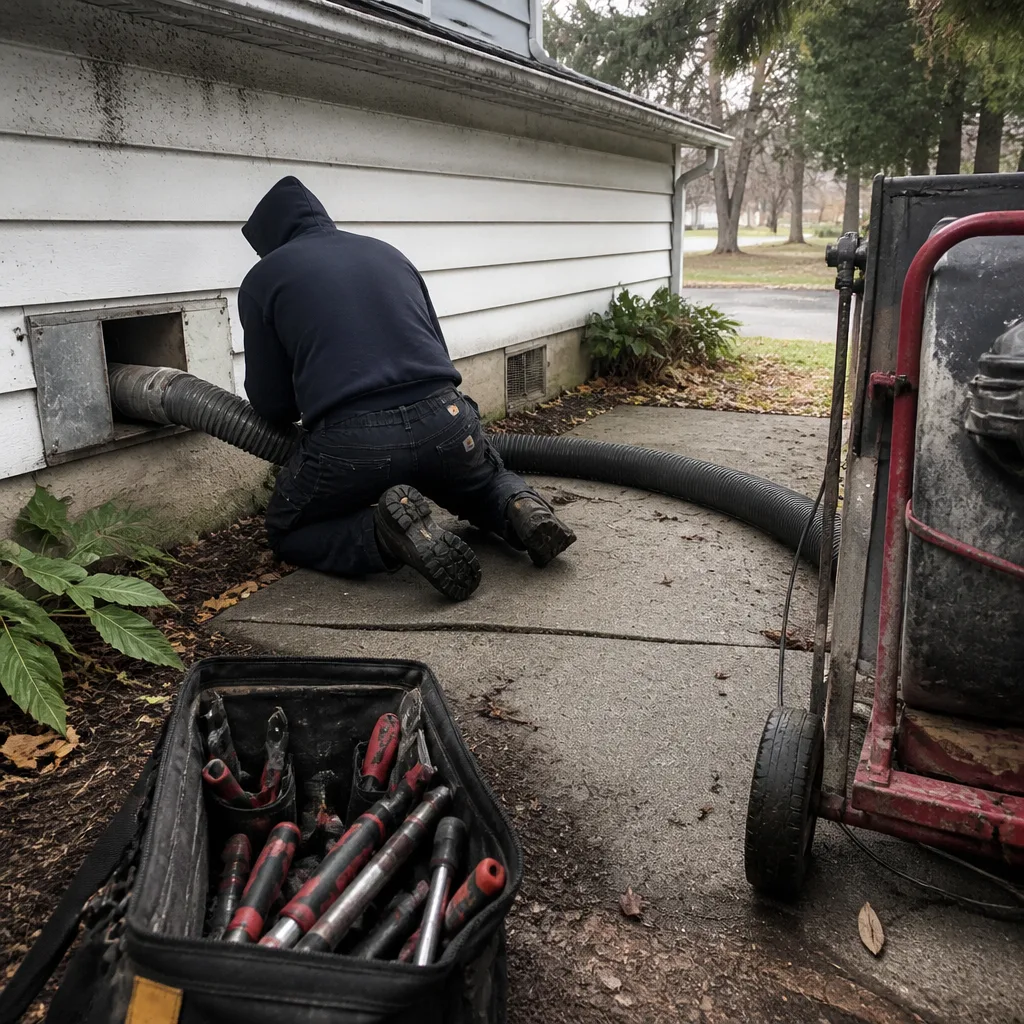
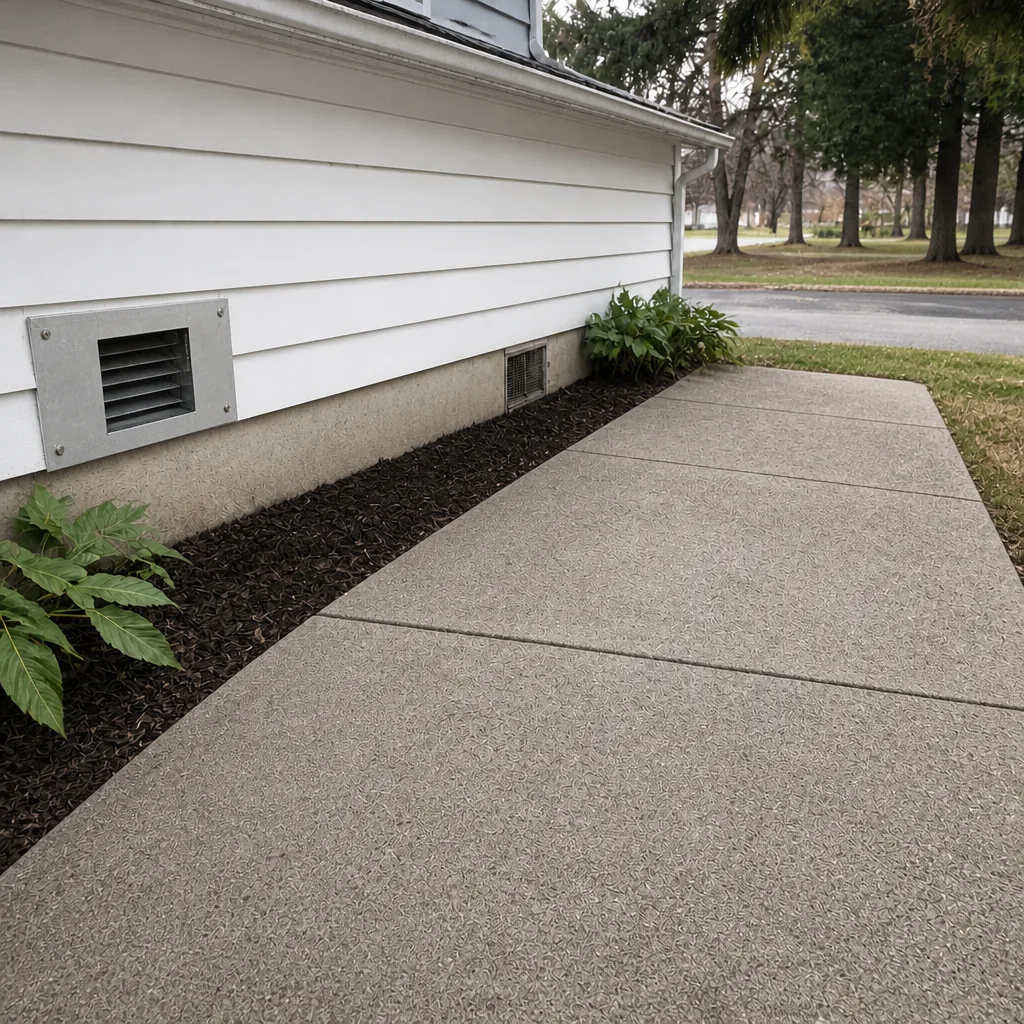
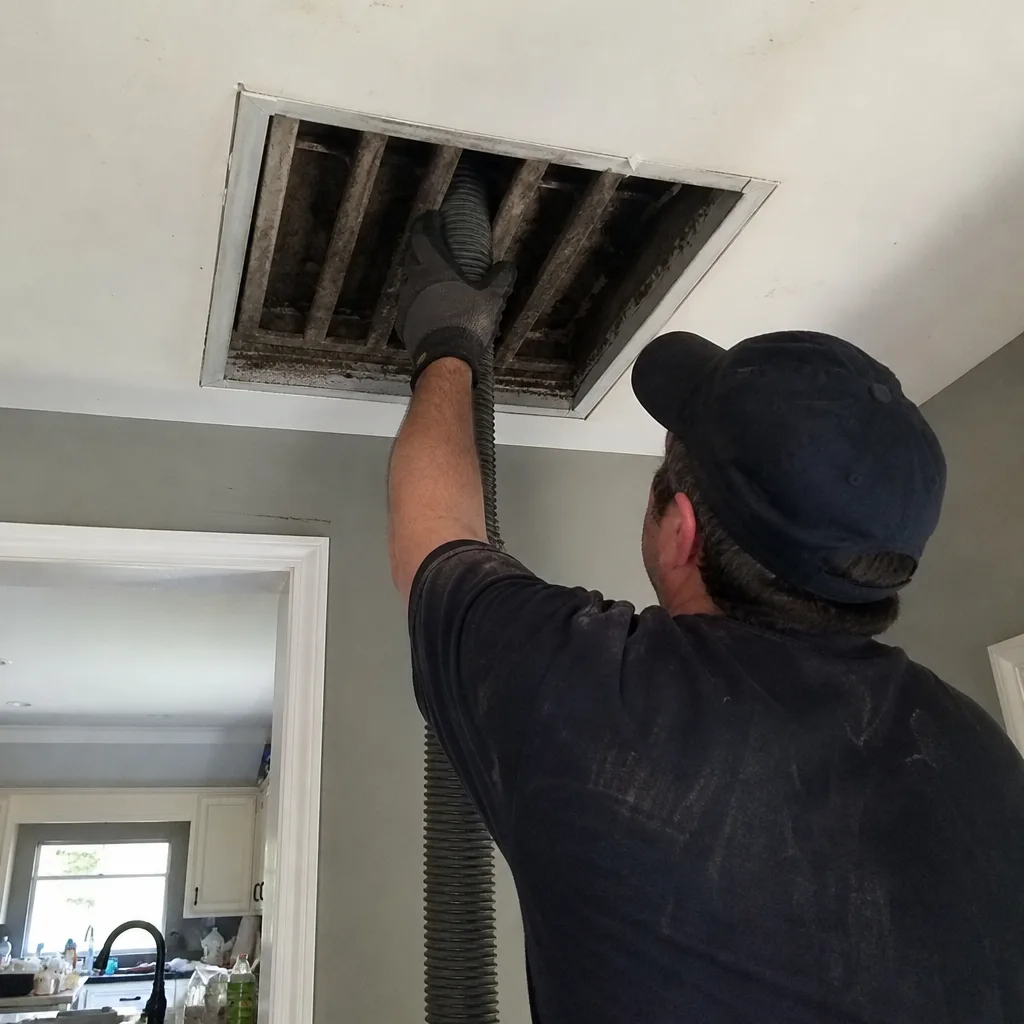
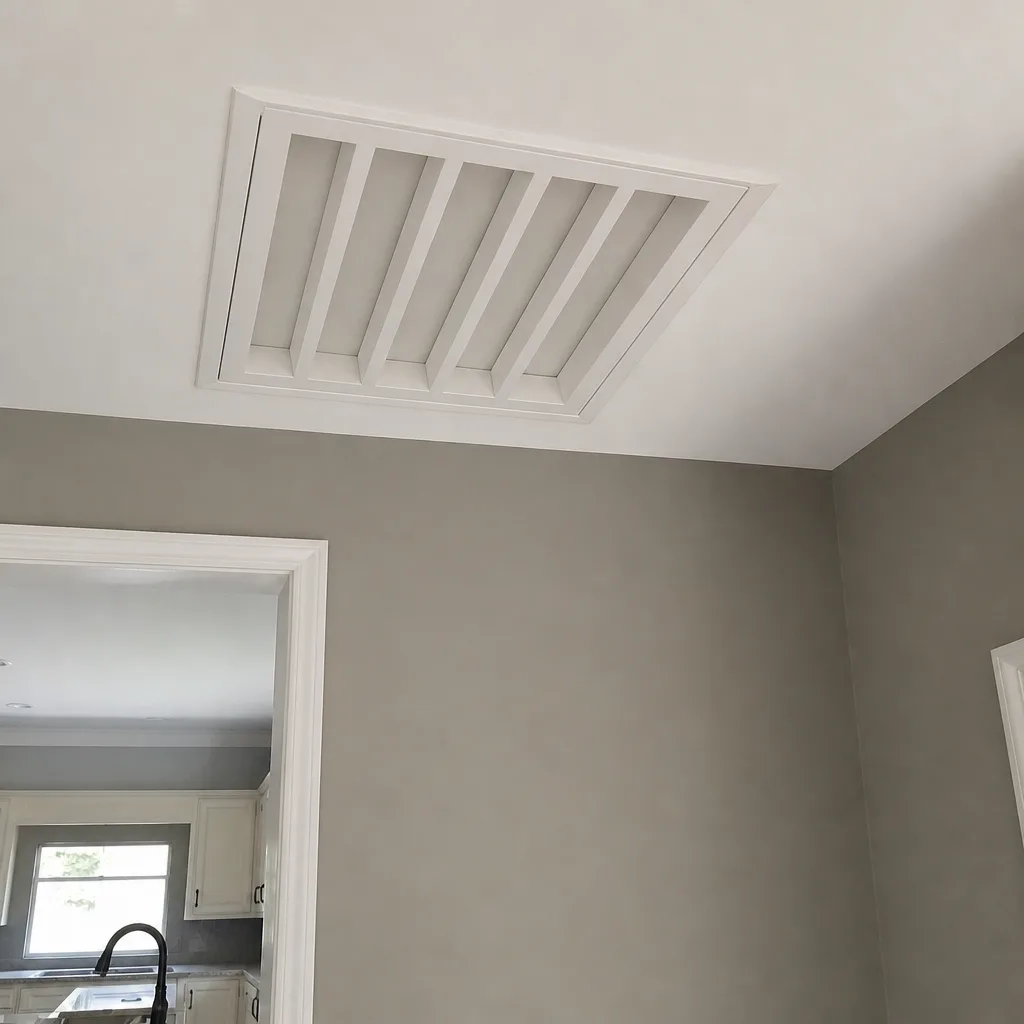
Whole-system duct and dryer vent check with before-and-after photos - you see exactly what came out of your vents
That "$99 whole-house special" is a bait ad - the real number appears once they are in your hallway, or the "clean" is a shop-vac at the register. We photograph the inside of your ducts before and after instead.
Air Duct Cleaning Maintenance Checklist for Tacoma Homeowners
Most duct maintenance advice you’ll find online boils down to one line: change your filter every 90 days. That’s a reminder, not a checklist. It skips the part that actually matters, which is knowing how to tell when your ducts need attention before the air in your house starts telling you. Tacoma homes sit in a wet, cool climate with a long damp season, heavy tree canopy, and a surprising amount of smoke that drifts in from regional fires in late summer. Those conditions show up in your ductwork whether you notice them or not. This guide gives you something you can actually use between professional cleanings: a month-by-month task framework, concrete visual and odor cues to check at your registers and air handler, and clear lines on what’s normal versus what needs a call.
Quick Answer
A workable duct maintenance checklist for a Tacoma home includes four things: filter changes on a realistic schedule, a walk-through of your registers and return vents every month or two, a visual check of the air handler and any ducts running through crawlspace, and a professional cleaning and inspection every few years (sooner after renovation, water intrusion, or a smoke event). The goal isn’t to clean your own ducts. It’s to catch the early signals (dust patterns, odors, moisture, uneven airflow) that tell you when a professional assessment is worth it.
Styles & brands we work with
- Whole-home duct cleaning
- Dryer vent cleaning
- Camera inspection
- Sanitizing & deodorizing
Table of Contents
- Why duct maintenance looks different in Tacoma
- A month-by-month task framework for Tacoma
- What to check yourself: registers, returns, and the air handler
- Crawlspace and subfloor ducts: the Tacoma check most homeowners skip
- How to log a baseline after a professional cleaning
- What’s normal system behavior and what should trigger a call
- How often does duct cleaning really need to happen?
- Common mistakes to avoid
Why duct maintenance looks different in Tacoma
Ductwork in Tacoma works harder against moisture than it does against heat. The region’s long wet season and cool summers mean ducts sit in crawlspaces and wall cavities that stay damp for months at a time, and that has real consequences for what builds up inside a system. Add the Douglas fir, cedar, and maple canopy over much of the city, and you get a steady supply of fine organic debris that works its way into return grilles through open doors and windows. Late summer smoke seasons add another layer: fine particulate that a standard filter catches only partially and that settles in duct surfaces over time.
That combination produces a few patterns we see in Tacoma homes again and again:
- Dust that returns fast. In a house with a leaking return duct or an old filter slot that doesn’t seal, dust stays airborne and re-deposits on every surface. Cleaning the ducts without sealing the leak is a temporary fix at best.
- Musty odors in the shoulder seasons. Spring and fall humidity swings push moisture through crawlspace vents and into uninsulated or poorly sealed ducts, and that smell migrates up through the registers.
- Uneven temperature room to room. A common sign of a disconnected duct or crushed flex run under the subfloor, which is worth finding rather than working around.
None of this is a reason to panic. It’s a reason to check. Most of the maintenance work is observation, and most homeowners can do it in a few minutes with a flashlight. What you’re looking for is a change from baseline. That’s where the framework below comes in.
A month-by-month task framework for Tacoma
A generic quarterly checklist is useless in a climate that has two distinct problem seasons: a wet one (October through April) and a smoke-and-pollen one (July through September). The tasks below track that rhythm. Not every item applies every year, but checking them on schedule keeps you ahead of the drift.
- January: After the first stretch of hard rain, walk the perimeter of any vents or registers on exterior walls and look for condensation streaks. Check the filter; if you run the system daily, this is the halfway mark for a 90-day cycle.
- February: Open the air handler cabinet for a visual check. Look for standing moisture in the drain pan, rust streaks on the blower housing, or insulation that’s pulled away from the cabinet edges.
- March: Check your crawlspace vents and any flex duct runs you can see. Spring is when winter moisture starts showing. Look for sagging ducts or insulation that’s fallen off.
- April: Replace the filter ahead of the spring pollen spike in Tacoma’s tree-lined neighborhoods, where alder and birch pollen gets airborne in a hurry.
- May: Shine a flashlight into your return grilles. If you see a visible mat of debris or a string of dust bridging the grille, note the location for your next professional visit.
- June: Do a quick sniff test at each register on your cooling cycle. Anything musty at this point is worth logging.
- July: Before smoke season, verify your filter is fresh and your return grilles aren’t blocked by furniture. Check any weatherstripping or door sweeps on entry doors near return air paths.
- August: If there’s been a smoke event, run the system on fan-only for a bit after the air clears, and check the filter. Look for a fine film on registers.
- September: End-of-summer filter replacement and a walk-through of every register you can reach.
- October: The big pre-winter inspection. Crawlspace ducts, air handler seals, and exterior vent caps.
- November: Confirm your heating season airflow. Rooms that were fine in summer but are cold now often point to a duct issue rather than a furnace issue.
- December: Filter check and a note about anything you want to address at the next professional service.
You don’t need a printed calendar. A sticky note on the air handler works. The point is a rhythm that matches Tacoma’s actual weather, not a generic “change your filter every 90 days” reminder.
What to check yourself: registers, returns, and the air handler
Self-inspection comes down to three locations, and it takes a flashlight and a few minutes. You’re not diagnosing anything. You’re noticing patterns and comparing them against a baseline you establish.
Supply registers
- Dust pattern: A thin film on the grille vanes is normal. A visible mat or clump that collects within weeks of dusting points to a source upstream, not the grille.
- Streaking: Dark streaks radiating from the register screws or edges can indicate air leaking around the boot or a gasket that’s failed.
- Odor: Musty, earthy, or sharp smells that show up the moment the fan starts are worth logging with the date and which register.
- Temperature feel: A register that blows noticeably cooler or warmer than the others on the same zone is a red flag for a crushed or disconnected duct.
Return vents
Returns pull harder than supplies and collect more visible dust. A return grille with a heavy dust mat is a sign that your filter isn’t sealing properly or that the return path is close to a heavy dust source, such as a door mat, pet bedding, or a kitchen range hood that doesn’t vent outside. Look for paper or debris stuck to the grille and for any whistling sound that suggests an oversized return.
The air handler
With the power off and the panel removed (only if you’re comfortable doing so and the unit is safely shut down), look at the filter slot, the blower, and the drain pan. If the slot doesn’t seal tightly, dust bypasses the filter entirely and heads straight into the system. That said, if anything about the air handler looks like moisture, rust, or electrical damage, stop and call a professional. Electrical and mechanical components inside the air handler are not a DIY inspection zone. Insulated flex duct and cabinet seals are fair game to look at. Wiring and refrigerant lines are not.
Crawlspace and subfloor ducts: the Tacoma check most homeowners skip
A large share of Tacoma homes, especially the older housing stock in neighborhoods like North End, Proctor, and Hilltop, run a good portion of their ductwork through a vented crawlspace under the main floor. That layout makes a lot of sense in a benign climate and a lot less sense in a wet one. Vented crawlspaces stay humid through most of the year, and uninsulated or poorly sealed ducts passing through them pick up that moisture and carry it into the living space. If your crawlspace has ever held standing water or shows visible efflorescence on the foundation walls, that’s a signal to check your ducts sooner rather than later.
What to look for on a crawlspace walk-through:
- Flex duct runs that sag between hangers or have visible kinks where they turn.
- Insulation that’s fallen off, is torn, or is soaked through. Wet insulation on a duct is worse than no insulation.
- Joint tape or mastic that has cracked or pulled away at elbows and connections.
- Standing water or mud near duct supports, and any place where a duct run touches soil.
- Pest activity (rodent droppings, chewed insulation) around duct runs. This is a common reason a duct fails, and it’s not something cleaning alone will solve.
If you find a disconnected run or a duct that’s been chewed through, don’t run the system on that zone until it’s been assessed. A leak under the subfloor pulls air from the crawlspace into the house, and that’s not the air you want in your living space. Repairs like this are why duct repair and sealing belongs in the same conversation as cleaning. Cleaning around a broken duct and calling it done just leaves the problem in place.
We’ve seen this pattern many times in Tacoma. A duct issue gets masked as a furnace problem or a filter problem, and cleaning the ducts helps, but the real fix is sealing the failure. That’s why we include duct repair and sealing as one of our five core services: finding the failure and fixing it, not just vacuuming around it.
How to log a baseline after a professional cleaning
The single most useful thing you can do after a professional air duct cleaning is to record what the system looks like in its clean state. Without a baseline, “is this normal?” has no answer. With one, future self-inspections become real comparisons instead of guesses. Here’s the process, and it takes maybe fifteen minutes.
- Photograph every accessible register with a flashlight at the same angle. Don’t worry about lighting or framing. Consistent is enough.
- Photograph the filter slot and the return grilles the same way, before you install the new filter.
- Note the date of the cleaning and the filter type and size. A sticky note inside the air handler cabinet works.
- Record a short voice memo at two or three registers of what the airflow sounds like with the system on. This is your reference for future “is the airflow weaker?” questions.
- Record a smell check. In writing, describe the smell at each register in its clean state. “Neutral” is fine. Just note it.
- Note current room-by-room temperature balance (or how each room feels) on a typical day, so a future “the back bedroom is cold” comment has something to reference.
- Note any crawlspace observations from the day of service. If the crew noted a questionable joint or a duct that will need attention, log it so it doesn’t get forgotten.
This baseline log is a simple habit that pays off in two ways. It shortens the conversation when you call about a future concern, and it tells a future technician what “clean” looked like at the start, which helps separate a real new issue from simple maintenance drift.
What’s normal system behavior and what should trigger a call
One of the most common reasons homeowners hesitate to call is that they can’t tell whether what they’re seeing is worth a service visit. Here’s a practical split.
Normal behavior
- A light, even dust film on register grilles that builds up over weeks.
- A faintly dusty smell in the first few seconds of the fan turning on in dry weather.
- Some temperature difference between floors, especially in two-story homes.
- Airflow that varies slightly with filter loading.
- Normal furnace-cycle fan sounds in the air handler.
Time to have a professional look
- A visible mat or bridge of debris inside a supply or return run.
- Musty, earthy, or sweet odors at more than one register, or any smell that gets stronger as the fan runs.
- A room that’s consistently 5 degrees or more off from the rest of the house.
- Whistling or hissing at a register or grille, especially if it suddenly changes.
- Any visible moisture, standing water, or water staining near crawlspace ducts or the air handler.
- A filter that loads up much faster than it used to (weeks instead of months).
- Any evidence of rodent or insect activity in the ductwork.
These are the cues we focus on in our own service work. They’re also why the brand names on our equipment matter: professional-grade systems like Rotobrush and Abatement Technologies give a technician the ability to see and address what a consumer vacuum can’t, and to do so without spreading debris through the house. That’s the difference between cleaning and actually diagnosing.
How often does duct cleaning really need to happen?
There is no single answer that fits every Tacoma home, and any company that gives you one without looking at your system is guessing. Here’s a practical way to think about timing.
- Every 3 to 5 years is a reasonable general cadence for an average home with well-sealed ductwork and a well-maintained filter.
- Every 2 to 3 years makes sense in homes with pets, a smoker, or occupants with significant dust sensitivity.
- After a major renovation or a water intrusion event, cleaning is worth considering once construction dust or moisture has been brought under control. Cleaning before construction dust is fully settled is wasted effort.
- After a significant smoke event, especially if the house was closed up and running the system through the worst of it, a professional assessment is worth having.
- Whenever a repair has been done in the duct system, cleaning around the repaired area tends to make sense to remove debris the repair disturbed.
If you’ve had a recent duct repair or sealing job (for example, sealing a disconnected crawlspace run or replacing chewed flex duct), it’s worth asking whether cleaning is also warranted while the system is open. Our HVAC cleaning service covers the air handler, coil, and blower, not just the duct runs, and addressing both at once is often the sensible move.
Common Mistakes to Avoid
- Cleaning without finding the source. If dust returns faster than it used to, the ducts may be fine and the filter slot, return, or a nearby duct connection may be the problem. Cleaning without addressing that leaves the issue in place.
- Skipping the crawlspace. Many Tacoma homes have ducts in a vented crawlspace, and that’s where the most consequential failures hide. If you inspect only the registers and never look under the house, you may miss the actual cause of an airflow or odor issue.
- Using a fan-only cycle as a substitute for a filter change. Running the fan with a loaded filter redistributes debris through the system. Replace the filter first, then run the fan.
- Assuming a musty smell is “just the weather.” A musty duct smell after a wet stretch in Tacoma is a signal to look for moisture, not a permanent baseline. If it’s new, log it and have it assessed.
- Not logging a baseline after a professional cleaning. Without one, you’re comparing today’s condition against a vague memory. A quick set of photos and notes keeps the comparison honest.
- Hiring a cleaning-only operation for a repair problem. A connected duct that’s leaking, crushed, or chewed needs to be found and repaired. Cleaning alone won’t fix it. This is why duct repair and sealing is a separate, essential service.
- Ignoring smoke-event loading. If your system ran during a smoke event or sat with the windows open, check the filter sooner than you would otherwise. Fine particulate loads a filter fast.
These mistakes share a theme: treating duct maintenance as a periodic vacuuming rather than an ongoing observation of your system. Once you’re watching the right cues, the schedule takes care of itself.
See the difference
 Before
 After
 Before
 After
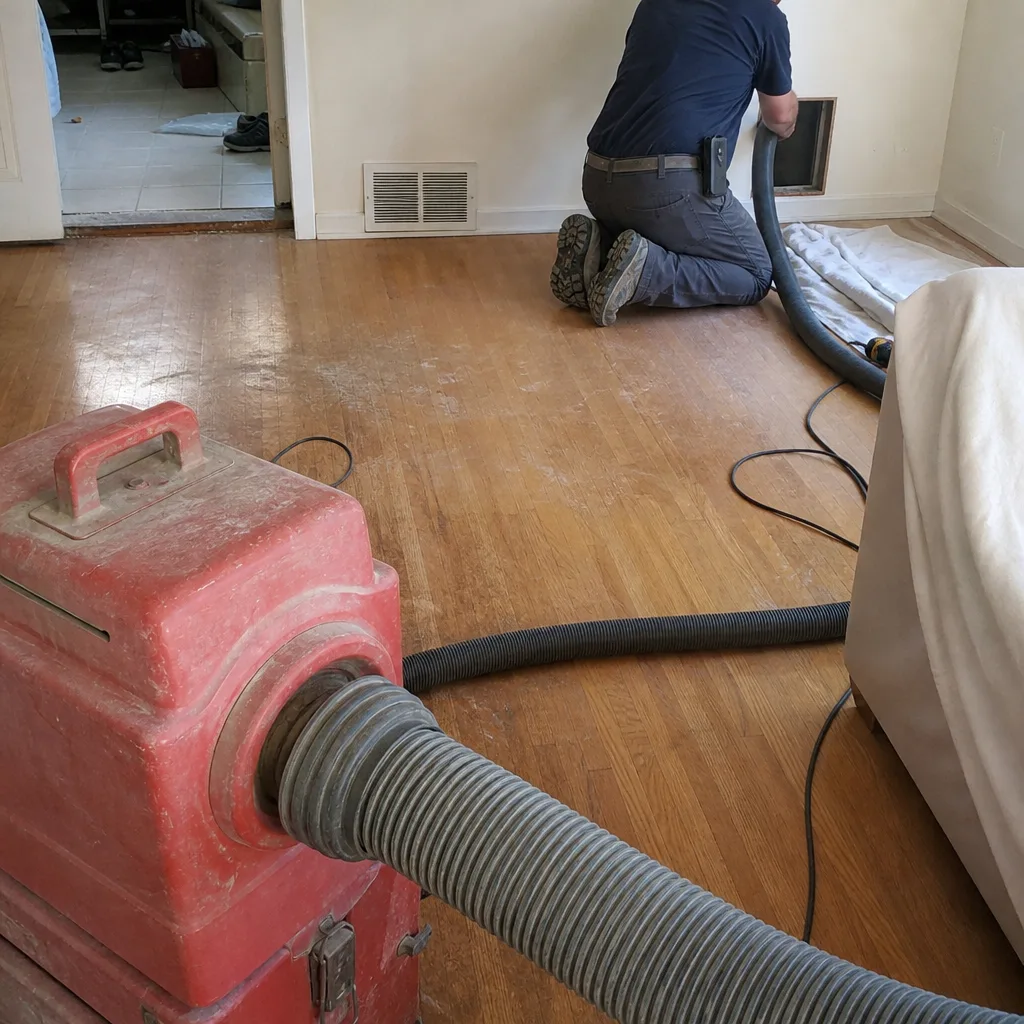 Before
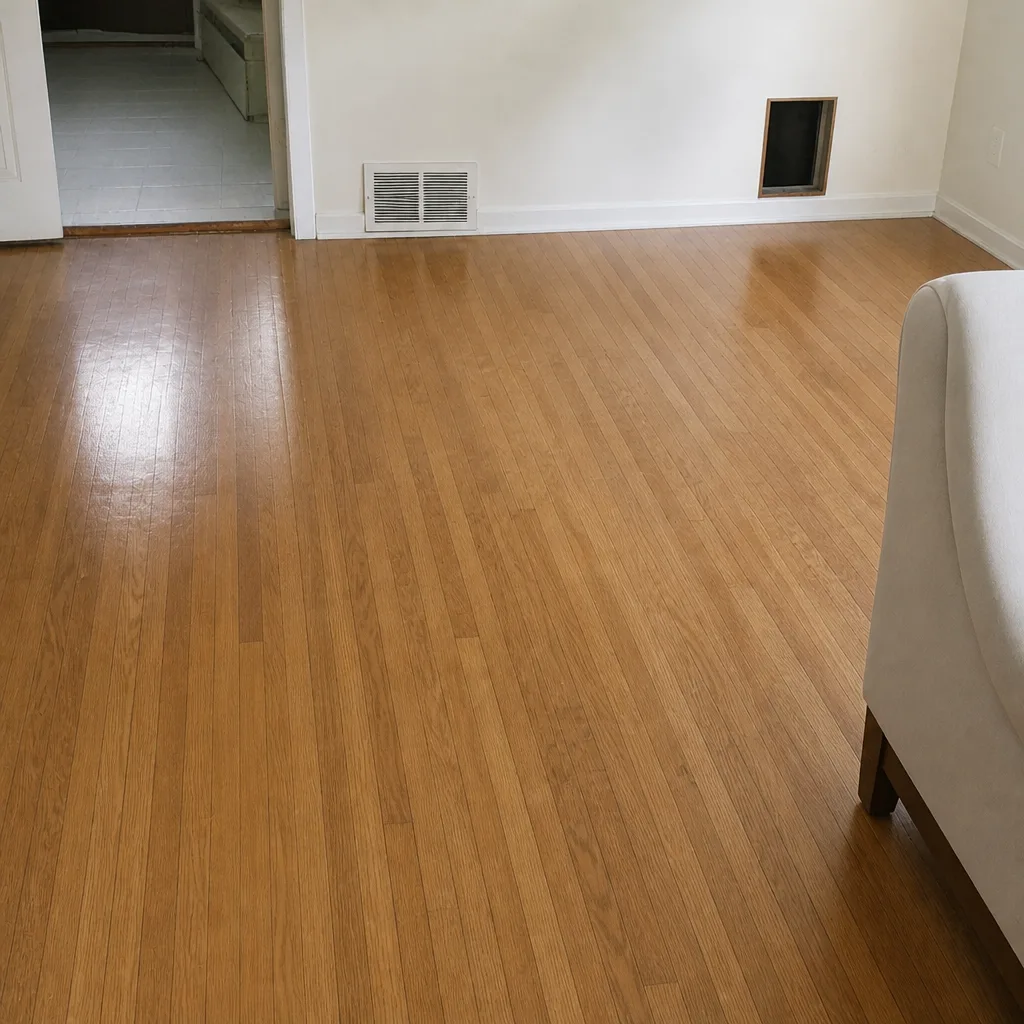 After
When to Call a Professional
Bring in a pro when you see a visible debris mat inside a duct run, smell something musty at more than one register, notice moisture in the crawlspace or around the air handler, find evidence of pest activity in the ductwork, or see airflow changes that persist after a filter change. Any of those is a sign the system needs more than a fresh filter. If you haven’t looked inside your crawlspace in a while and your ducts run through it, that’s another good reason to book an assessment. Our technicians have up to 11 years of experience and can find the failure, explain it, and quote a fix before any work starts. We can also work with your insurer if a covered event is involved. Air Duct Cleaning Tacoma Pros offers free estimates in Tacoma – call (877) 792-6386.
Frequently Asked Questions
Most Tacoma homes are well served by a professional cleaning every 3 to 5 years, with more frequent cleaning (every 2 to 3 years) for homes with pets, smokers, or occupants with significant dust sensitivity. Ductwork in a damp crawlspace or a home with a heavy-rain intrusion history may warrant a shorter interval, and cleaning after a major renovation or a significant smoke event is worth considering regardless of schedule. Call (877) 792-6386 for an exact quote on your home – estimates are free.
Tacoma’s wet season and dense tree canopy contribute a steady supply of fine organic debris and moisture that ducts in drier climates rarely see. Long, damp shoulder seasons keep crawlspace air humid, and late-summer smoke events add fine particulate that loads filters quickly. If your ducts soil much faster than a previous home, that’s worth looking at, and the cause is often a filter slot that isn’t sealing or a return that’s pulling dust from a busy area. Call (877) 792-6386 for an exact quote – estimates are free.
Cost depends on the size of the system, the number of runs, accessibility of the air handler, and whether repair or sealing is needed. Instead of quoting a per-vent number, we price per system after seeing the actual layout so the written estimate reflects the real job. Whole-system cleaning is one flat price agreed before work starts, with before-and-after photos of your own ducts. Call (877) 792-6386 for an exact quote – estimates are free.
Cheap quotes usually reflect a smaller scope, consumer-grade equipment, or a price that grows once the technician is on site. A cleaning-only operation also won’t address a leaking, crushed, or chewed duct, so the low price describes surface cleaning, not a fix. Ask any company how they price, whether repair and sealing are included, and whether you get before-and-after photos. Call (877) 792-6386 for an exact quote – estimates are free.
Ask for before-and-after photos of your own system, not stock images. On the day of service, insist on a walk-through of the register you were most concerned about before and after cleaning. A written scope with photos and a per-system price lets you verify the work. Our dryer vent cleaning uses the same photo-documentation approach, because a clean-out should be provable. Call (877) 792-6386 for an exact quote – estimates are free.
Cleaning removes the debris and dust that can contribute to indoor air quality concerns, and pairing it with proper filtration and sealing of leaks tends to matter more than cleaning alone. Professional-grade systems like Rotobrush and Abatement Technologies allow us to remove debris without spreading it through the house. We also carry and install Aprilaire and Honeywell products when improved filtration or humidity control makes sense as part of a longer-term plan. Call (877) 792-6386 for an exact quote – estimates are free.
Walk the crawlspace at least once a year and look for sagging, disconnected, or chewed duct runs, wet insulation, and standing water near duct supports. If you find any of these, don’t run that zone until it’s been assessed. Cleaning alone won’t repair a broken duct, which is why we offer duct repair and sealing as its own service. Call (877) 792-6386 for an exact quote – estimates are free.
The Bottom Line
Duct maintenance in Tacoma is less about a calendar and more about learning to read your own system. Watch your registers and returns, check the air handler and crawlspace on a rhythm that matches the region’s wet and smoky seasons, and log a baseline after a professional cleaning so future inspections have something to compare against. When you see a debris mat, a persistent musty smell, a crawlspace duct issue, or a change in airflow, call a professional rather than working around it. Our technicians have up to 11 years of experience, and we handle cleaning, repair and sealing, HVAC cleaning, and air sanitizing as a single conversation. Air Duct Cleaning Tacoma Pros is your Air Duct Cleaning Tacoma Pros team for the full picture. Call (877) 792-6386. We answer 24/7. Fast dispatch from 7am to 7pm, Sunday through Friday. Estimates are free and the price is set per job by the written estimate.
Written by the team at Air Duct Cleaning Tacoma Pros.